
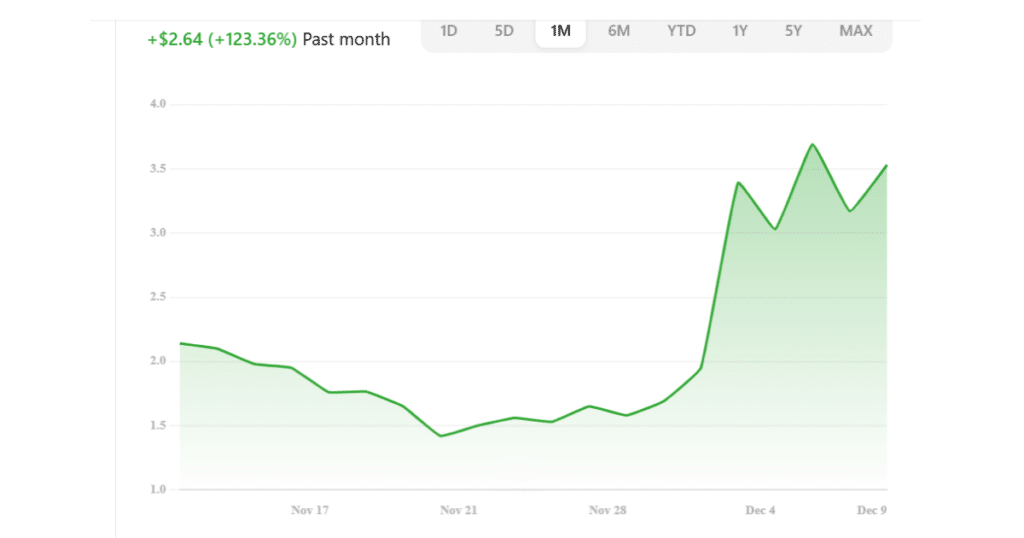
After several months of dire news for iRobot — the company behind the Roomba robot vacuum — a surprising development has stirred a glimmer of renewed investor optimism. Reports that the White House may pivot toward building up a domestic U.S. robotics industry have triggered a rebound: iRobot’s stock reportedly surged by as much as 135% last week.
iRobot’s Decline: From Industry Leader to Struggling Survivor
Falling Revenue and Growing Bankruptcy Concerns
Just a few years ago, “Roomba” was almost synonymous with “robot vacuum.” But iRobot’s fortunes have deteriorated sharply in recent years. The company has faced multiple quarters of declining revenue, shrinking cash reserves, and mounting concerns that bankruptcy might be inevitable. Many analysts and observers flagged the business as teetering on the brink.
How Roborock, Dreame, and Ecovacs Pulled Ahead in the Robot Vacuum Market
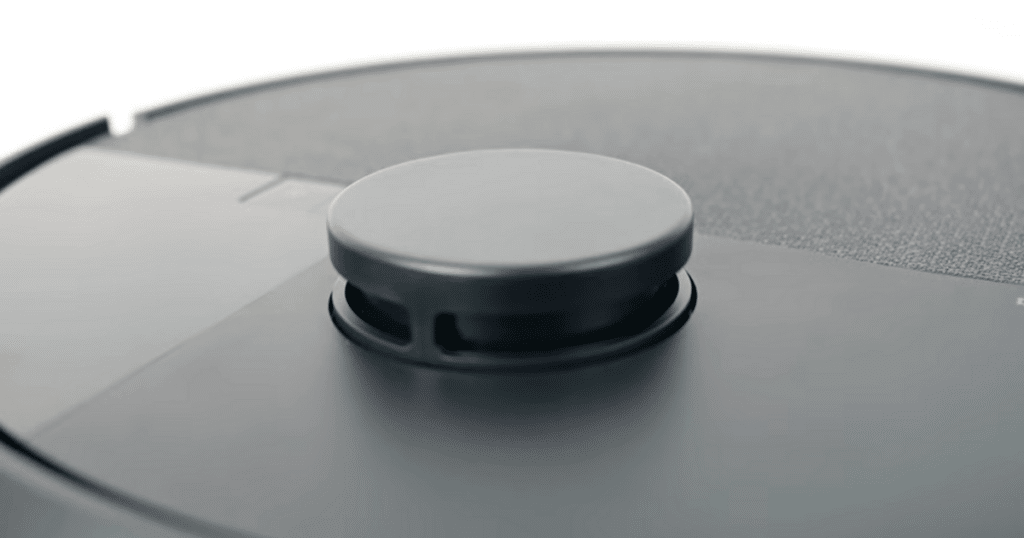
Meanwhile, iRobot fell behind global competitors — particularly Chinese firms such as Roborock, Dreame, and Ecovacs. These companies rapidly adopted cutting-edge technologies such as LiDAR-based navigation (which iRobot adopted only this year) and advanced obstacle-detection, often at competitive price points.
Why the White House’s Interest in Robotics Matters for iRobot
Howard Lutnick’s Meetings With Robotics CEOs
The surge in iRobot’s share price appears to be driven less by an immediate turnaround in fundamentals and more by speculation that a broader national robotics strategy could shift the industry’s long-term direction.
According to a recent report by Politico, the U.S. Department of Commerce, led by Howard Lutnick, has begun meeting with CEOs in the robotics industry and signaled that the administration is “all in” on accelerating domestic robotics development.
The Proposed 2026 Robotics Executive Order and Federal Robotics Initiatives
The administration is reportedly considering issuing a dedicated executive order on robotics in 2026, with the goal of boosting domestic manufacturing, automation, and production capacity.
The report also says the U.S. Department of Transportation may form a robotics working group by the end of 2025, exploring uses in infrastructure, logistics, and supply-chain modernization.
In short: the government seems poised to actively support robotics — not just AI software — as a strategic national priority.
The Global Robotics Race: Understanding the U.S. Robotics Gap
China’s Deployment of 1.8 Million Industrial Robots
The logic behind the proposed changes is perhaps best seen in global comparisons. As recently as 2023, the International Federation of Robotics estimated that China had deployed just under 1.8 million industrial robots — the highest in the world and roughly four times the number in U.S. factories.
Why the U.S. Is Pushing for a National Robotics Strategy
Many other countries (Japan, Germany, Singapore, etc.) already have formal national robotics strategies. Supporters of an American robotics push argue that to remain competitive, the U.S. must invest not just in software (AI) but in the physical robotics infrastructure that realizes AI’s potential in real-world automation.
How Consumer Robotics Like Roomba Might Benefit From U.S. Robotics Investment
Spillover Innovations: Sensors, AI Navigation, and Robotics Technologies
It’s true that much of the White House’s robotics ambition seems aimed at industrial automation, manufacturing, infrastructure, and logistics — not home-cleaning products. But consumer robotics firms like iRobot could still benefit through spillover effects.
Increased federal support may accelerate advances in robotics technologies — including sensors, motors, mapping systems, and AI-enabled navigation — that could eventually make their way into consumer-grade hardware.
A Stronger U.S. Robotics Ecosystem Could Boost iRobot’s Competitiveness
A broader investment surge in robotics could attract more talent, capital, and supply-chain rebuilding within the U.S., potentially helping companies like iRobot recover lost ground relative to overseas competitors.
Even if government contracts don’t go directly to iRobot, improved infrastructure and enthusiasm for the sector can still elevate investor sentiment — treating iRobot as a proxy for the U.S. robotics market. After a tough year for iRobot, despite a product refresh and attempts to restructure operations, any glimmer of good news would be a welcome change.
The Outlook: Could a U.S. Robotics Boom Revive Domestic Consumer Robots?
In effect, investors may be betting on a “rising tide lifts all ships” scenario. If these events signal a new robotics boom in the United States, there is significant opportunity for consumer-level robots — including robot vacuums — to evolve alongside manufacturing, logistics, and defense applications.
We will be watching this story with great interest and will continue reporting as developments unfold.
iRobot Roomba Robot Vacuum Buyers Guide 2026
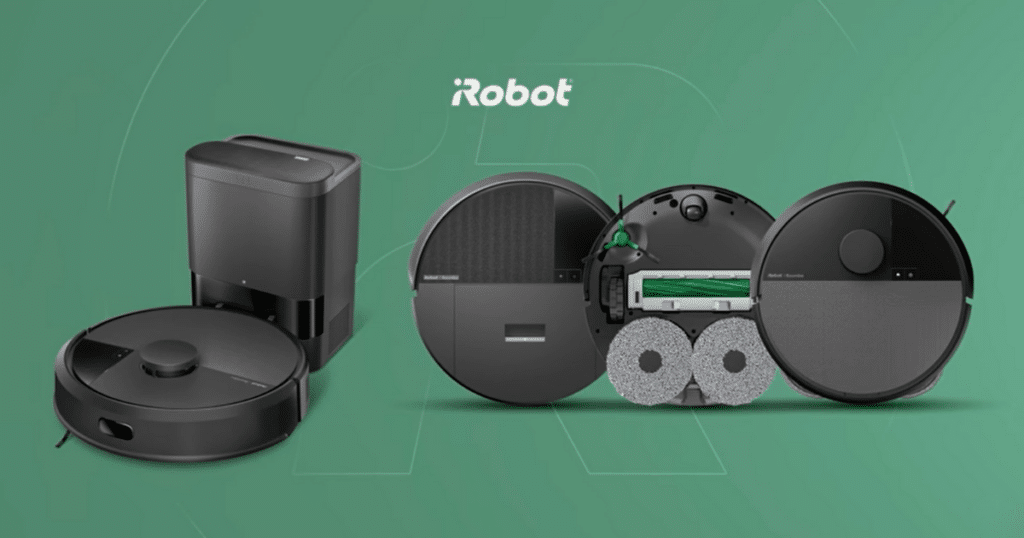
iRobot has rolled out a revamped Roomba lineup for 2025, introducing key changes to its long-running series. From the entry-level 105 series to the top-of-the-line 705 series, these new models showcase a range of noteworthy updates that could signal a pivotal shift for the company. This guide delves into their major enhancements and offers insights into how they’ll perform in everyday life. See the Guide