We’ve Independently Tested 205+ Robot Vacuums
Welcome to Vacuum Wars’ current pick for the best robot vacuum in the $1,300 to $1,600 price range. We purchase every robot vacuum we evaluate, and our rankings are based on performance in our studio tests rather than manufacturer claims or sponsorships.
This is a premium price tier, so buyers should expect more than strong basic cleaning. The best models combine capable vacuuming and mopping with advanced navigation, obstacle avoidance, effective hair management, and a highly automated dock. Our current winner is featured below, followed by a closer look at what shoppers should expect when spending between $1,300 and $1,600. Wonder how we stay objective? Read Why You Can Trust Vacuum Wars Robot Vacuum Reviews.
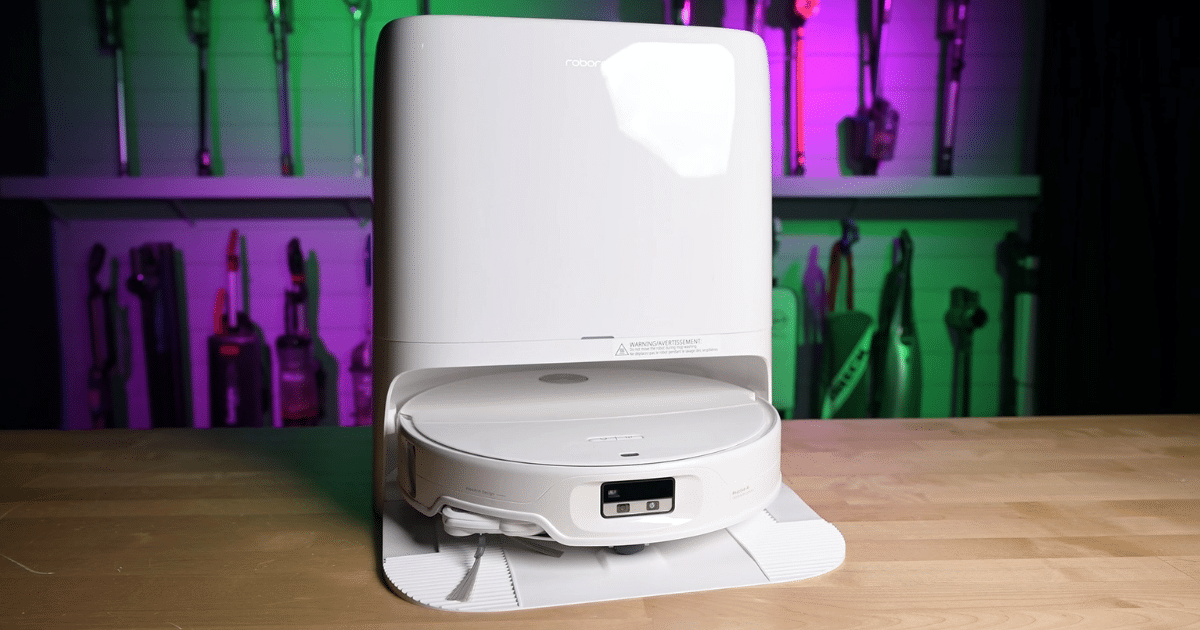
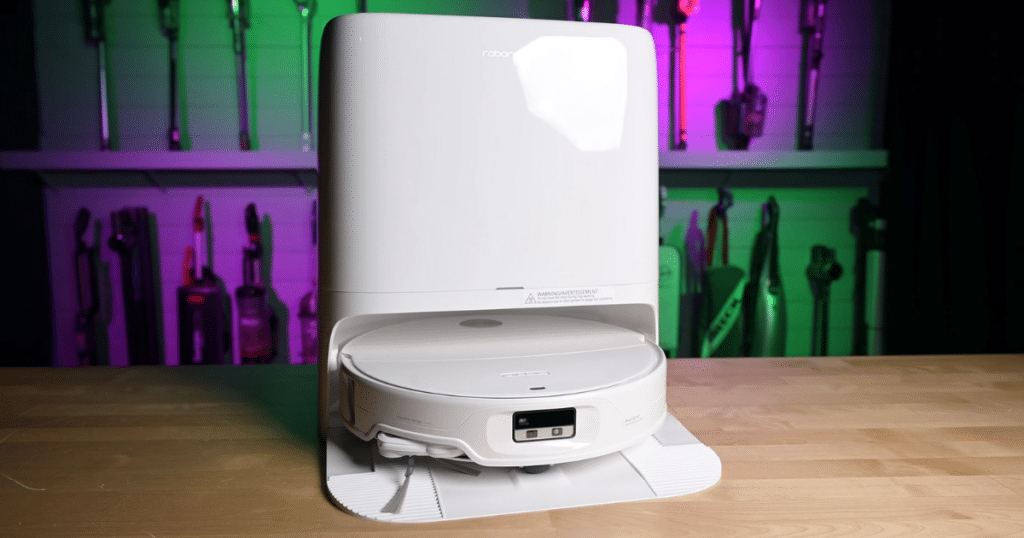
Best Robot Vacuum $1,300 – $1,600: Roborock Qrevo Edge 3 Pro
Roborock Qrevo Edge 3 Pro
Vacuum Wars Stars 4.03
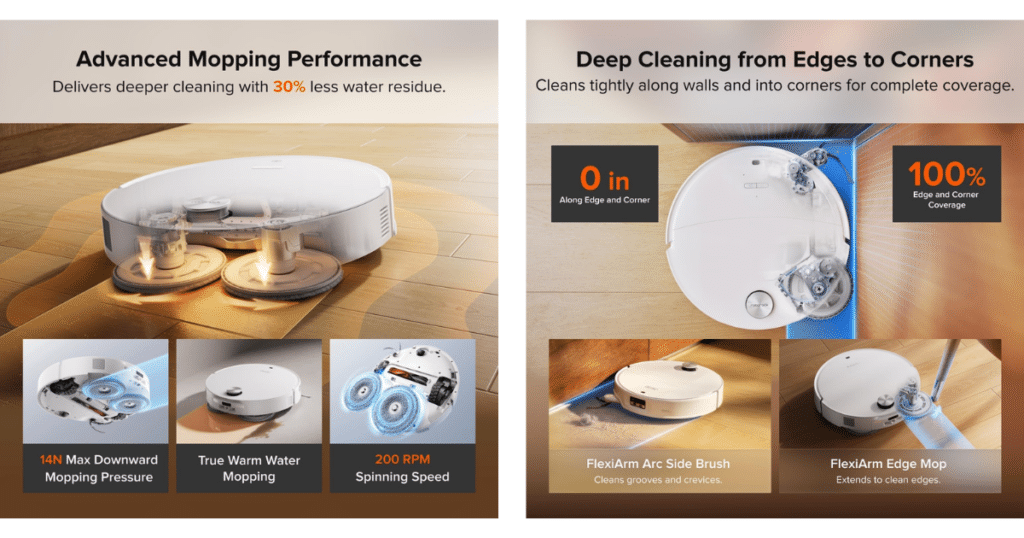
The Roborock Qrevo Edge 3 Pro combines 36,000 Pa suction, dual spinning mops, Dual Zero-Tangle brushes, and FlexiArm edge cleaning. Its AdaptiLift Chassis 3.0 crosses 1.77-inch single-layer and 3.46-inch double-layer thresholds, handles carpets up to 1.81 inches thick with automatic mop detachment, and reaches beneath 3.13-inch clearances. RetractSense LiDAR provides 360-degree mapping, while structured light, an RGB camera, VertiBeam lateral avoidance, and Reactive AI recognize more than 300 obstacles. Mops spin at 200 RPM with up to 14 N pressure and warm-water mopping. The multifunction dock provides 212°F mop washing, intelligent re-wash/re-mop, hot-water self-cleaning, auto detergent dispensing, warm-water refilling, 131°F drying, and up to 65 days of auto-emptying. Other features include SmartPlan 3.0, multi-floor mapping, room selection, schedules, no-go zones, app/voice control, video calls, Pet Care Hub, “Hello Rocky” voice assistant, and 256-minute runtime. See additional info
The Roborock Qrevo Edge 3 Pro earns our top spot in the premium $1,300–$1,600 price range by combining exceptional carpet deep cleaning, tangle-free brush performance, above-average mopping, efficient navigation, advanced mobility, and a highly automated dock. Known internationally as the Saros 20 Neo, the Qrevo Edge 3 Pro brings several of Roborock’s newest technologies into the Qrevo lineup, including 36,000 Pa of official suction, the DuoDivide main brush, the FlexiArm Arc side brush, retractable LiDAR, and the AdaptiLift Chassis 3.0.
Its measured suction and airflow were below average despite the high official rating, and its 240 mL onboard dustbin is smaller than average. However, neither bench result prevented it from cleaning well in our floor tests. Its strong carpet performance, efficient navigation, unusual threshold-crossing ability, and well-rounded feature set made it our favorite Roborock to date and the most complete overall package we tested in this price category.
Excellent Carpet Deep Cleaning and Tangle-Free Brushes
The Qrevo Edge 3 Pro delivered one of its strongest results in our carpet deep-clean test, where we embed sand into medium-pile carpet and measure how much the robot removes. It recovered 93% of the sand, compared with an average of about 78%. That tied it for the third-highest carpet deep-clean score for a robot vacuum in our records.
Above-Average Pet-Hair Pickup. In our 2.5-inch pet-hair pickup test, where we flatten hair onto carpet to mimic real-world conditions, the Edge 3 Pro scored 87.5%, compared with the 82.2% average. This was a good result, although the similarly priced Dreame X60 Max Ultra Complete achieved a perfect score in the same test.
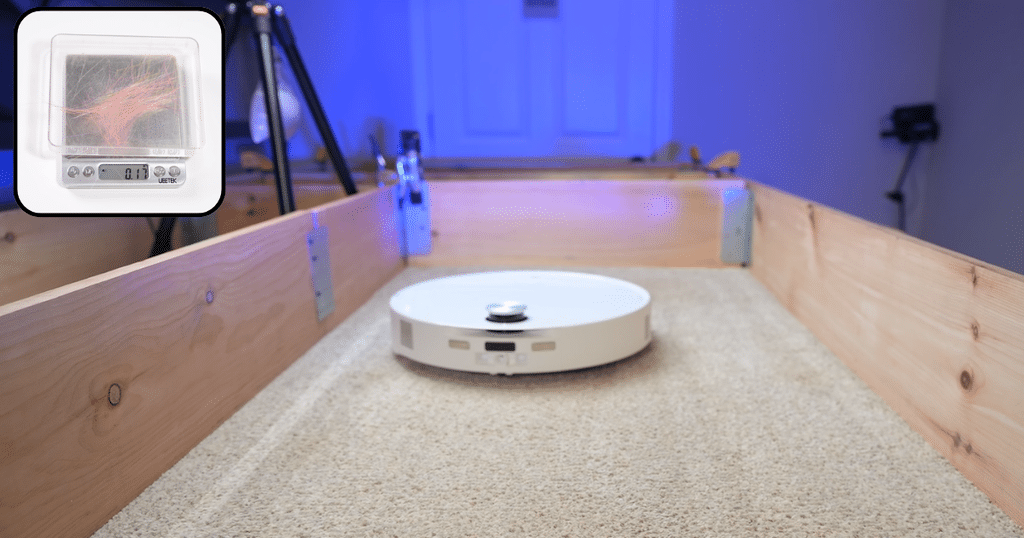
No Tangles in Our Long-Hair Test. Roborock’s anti-tangle system combines the DuoDivide main brush with the FlexiArm Arc side brush. In our 7-inch hair-tangle test, the Qrevo Edge 3 Pro completed the test without any hair wrapping around either brush.
Above-Average Mopping Performance
The Qrevo Edge 3 Pro uses dual spinning mop pads, with one pad extending outward to improve coverage along walls and furniture. The pads can lift 15 mm over carpet, allowing the robot to vacuum and mop a mixture of hard floors and carpets in a single run. The dock also heats the water used to refill the robot’s onboard tank for warm-water mopping.
In our regular stain test, the Edge 3 Pro scored just above average, although it finished slightly below average in our coffee-only stain test. It also used relatively little water, which can help reduce streaking as the floor dries. Its stain removal and water-use results combined for an above-average overall mopping score.
Fast Navigation and Advanced Mobility
The Edge 3 Pro combines Roborock’s RetractSense LiDAR navigation with its AdaptiLift Chassis 3.0. Its top-mounted LiDAR sensor retracts when the robot encounters low-clearance furniture, allowing it to clean under some sofas and beds that would otherwise be inaccessible to a robot with a fixed LiDAR tower.
Efficient Navigation and Battery Use. The Qrevo Edge 3 Pro covered about 13% more floor per minute than the average robot in our navigation-efficiency test. Its battery efficiency was also above average and significantly better than the Dreame X60’s. Together, those results gave the Edge 3 Pro a higher-than-average estimated coverage per charge.
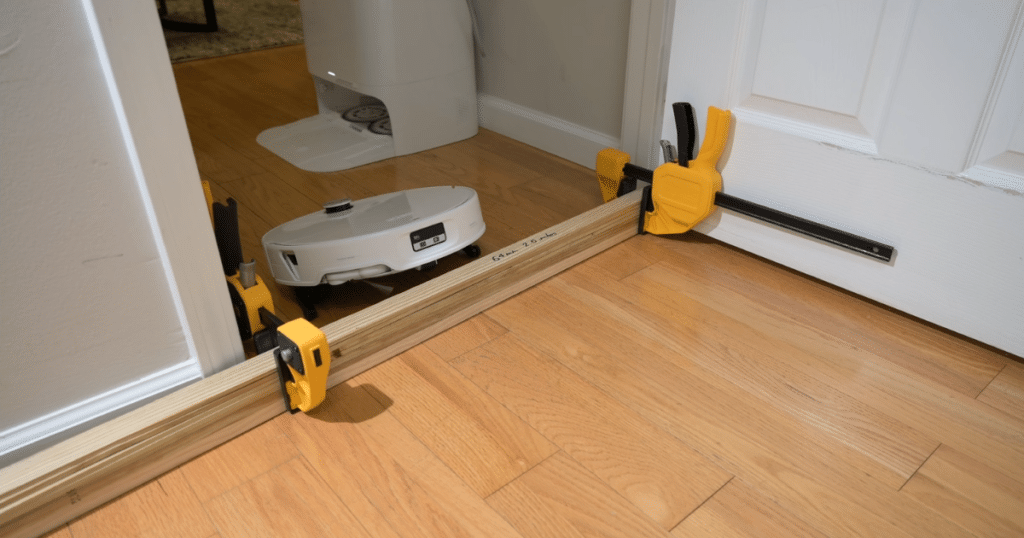
Unusually Capable Threshold Crossing. Roborock rates the AdaptiLift Chassis 3.0 to cross a tiered threshold totaling as much as 88 mm, or approximately 3.5 inches, when the first step is no taller than 45 mm. In our single-tier testing, the Edge 3 Pro crossed our 57 mm barrier, setting a new record in our testing. It also crossed a 64 mm barrier once, although it could not repeat the result or cross back to its dock. With mop removal and chassis lifting, Roborock also says the robot can travel over high-pile carpet up to 30 mm thick.
Above-Average Obstacle Avoidance
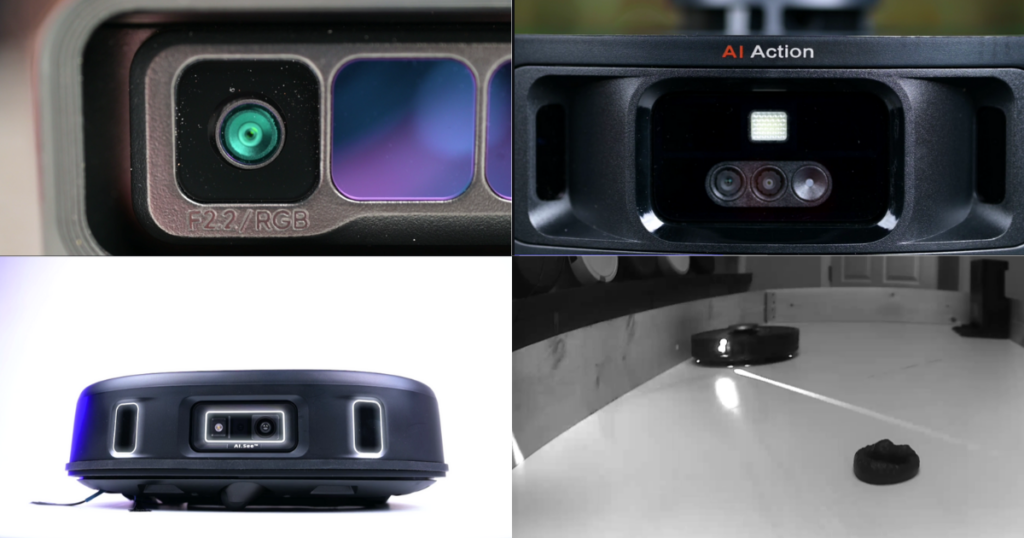
The Edge 3 Pro combines a camera with 3D structured light, LED illumination, and Roborock’s VertiBeam lateral sensors. Roborock says the system is trained to recognize more than 300 types of objects. It performed above average in our obstacle-avoidance testing, making this another strength, although the Dreame X60 scored noticeably higher in the same tests.
Premium Dock Automation
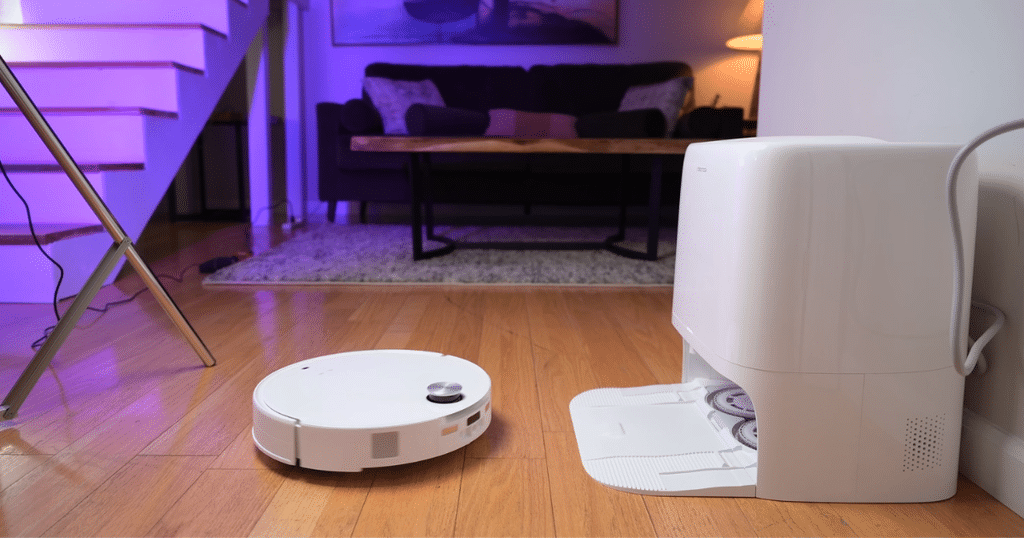
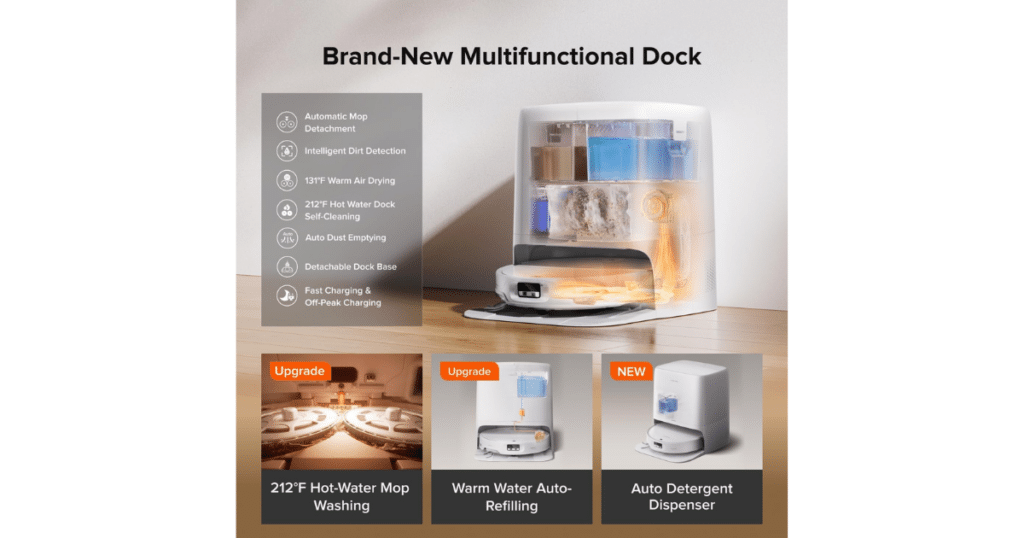
The Qrevo Edge 3 Pro’s multifunctional dock automates most routine maintenance. It washes the mop pads and self-cleans with water heated up to boiling, then dries the pads with 131°F (55°C) air. Heated drying reduces the time the pads remain damp, helping to prevent mildew, bacteria, and odors.
The dock also automatically empties the robot’s dustbin, dispenses detergent, and refills the onboard water tank with heated water for warm-water mopping. These features make the Edge 3 Pro a particularly low-maintenance robot for frequent vacuuming and mopping.
A Few Drawbacks
No robot vacuum performs equally well in every category. The Qrevo Edge 3 Pro’s main drawbacks were its below-average bench suction and airflow measurements and its smaller-than-average onboard dustbin.
Below-Average Bench Measurements. Despite its official 36,000 Pa rating, the Edge 3 Pro’s measured suction was about one-third below average in our bench test. Airflow was also slightly below average. Neither result appears to have limited its cleaning ability, given its excellent carpet deep-clean score and strong pickup in our floor tests, but the results show why official suction claims do not tell the whole story.
Small Onboard Dustbin. The robot’s 240 mL dustbin is smaller than average and may fill before the robot returns to empty it, especially in homes with a lot of pet hair or other bulky debris. Running the robot more frequently and setting the dock’s automatic-emptying frequency to high can help offset this limitation.
Limited Owner Data. There were not yet enough customer reviews at the time of our evaluation to draw a firm conclusion about long-term owner satisfaction. Early feedback was positive, but additional owner data could affect the Edge 3 Pro’s future position in our rankings.
The Bottom Line
The Roborock Qrevo Edge 3 Pro is our top recommendation in the $1,300–$1,600 category and our favorite Roborock robot vacuum to date. Its exceptional carpet deep-cleaning, tangle-free brush performance, efficient navigation, advanced threshold mobility, above-average mopping, and extensively automated dock give it the most compelling overall performance profile in this price range.
The Edge 3 Pro and the Dreame X60 Max Ultra Complete remain closely matched and are strongest in different areas. The Dreame performed better in pet-hair pickup and obstacle avoidance, potentially making it the better fit for some homes with pets or frequently cluttered floors. The Edge 3 Pro stands out for carpet vacuuming, navigation efficiency, battery efficiency, and mobility, making it particularly compelling for homes with carpets, challenging thresholds, low furniture, or mixed flooring.
Comparing Robot Vacuums $1,300 to $1,600
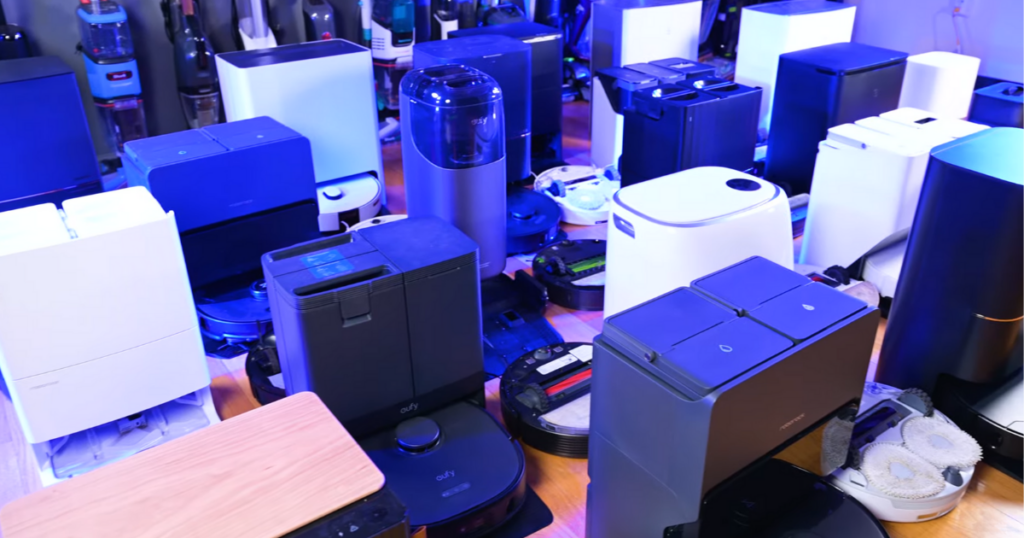
We tested each of the robots below in our studio. The Roborock Qrevo Edge 3 Pro earned our top spot in this category, but you can use the comparison table to see how all models differ in features, navigation, suction, and overall value.
Want to compare more models? Open our full robot vacuum comparison app to explore hundreds of side-by-side comparisons.
Best Robot Vacuums – Vacuum Wars’ always up-to-date rankings of the best robot vacuums. Whether you call it a robot vacuum, a robotic hoover, or an automatic vacuum cleaner, our top picks will help you find the perfect cleaning companion for your home!
Roborock Qrevo Edge 3 Pro
Browse by Category
Jump to our tested picks for each type of robot vacuum, or compare any two or three robots head-to-head using our comparison tool.
What to Expect from a $1,300–$1,600 Robot Vacuum
Robot vacuums in this range are designed to provide a nearly hands-free cleaning experience. Self-emptying is generally standard, but the better models go further by washing and drying their mop pads, refilling the robot’s water tank, collecting dirty water, and automating other maintenance tasks.
Premium pricing does not guarantee that every part of a robot will perform equally well. One model may excel on carpet while another offers better pet-hair pickup, mopping, obstacle avoidance, or battery efficiency. That is why we compare results across our full testing system instead of choosing a winner based on the feature list alone.
Cleaning Performance Matters More Than Suction Claims
Manufacturers frequently promote extremely high suction ratings in this category, but a larger Pascal number does not automatically translate into better cleaning. Brush design, airflow, floor contact, navigation patterns, and the robot’s ability to direct debris into the intake can all affect real-world performance.
We evaluate surface pickup on hard floors and carpets, carpet deep cleaning, crevice pickup, pet-hair removal, and resistance to long-hair tangles. A premium robot should perform well across several of these areas, but shoppers should pay particular attention to the results that match their own flooring and household needs.
Premium Mopping and Dock Automation
Mopping systems in the $1,300–$1,600 range typically use spinning pads, vibrating plates, or self-cleaning rollers. Features such as edge-extending mop components and automatic mop lifting help these robots clean along walls and move between hard floors and carpets with less intervention.
The most capable docks in this tier can wash mop components with heated water, dry them with warm air, refill the robot’s onboard water tank, dispense detergent, and clean portions of the dock itself. These features reduce routine maintenance and can help prevent damp mop pads from developing odors.
More water is not always better, however. Excessive water use can increase drying time and leave streaks behind. Our mopping evaluations therefore consider both stain removal and water use when comparing models.
Navigation, Obstacle Avoidance, and Mobility
LiDAR mapping is common in this price range, often paired with cameras, structured-light sensors, LED illumination, or lateral sensors for obstacle detection. These systems help robots map rooms, plan efficient routes, and identify objects that could interrupt a cleaning run.
Obstacle-avoidance performance can still vary considerably between premium models. A long list of sensors does not always mean that a robot will reliably avoid cables, shoes, pet waste, and other small objects. Homes that regularly have clutter on the floor should give tested obstacle-avoidance performance more weight than the manufacturer’s object-recognition claims.
Mobility is another emerging distinction in this category. Some premium robots can lift portions of their chassis, retract their navigation sensors, or cross taller thresholds. These features can be valuable in homes with thick rugs, low furniture, raised room dividers, or complicated transitions between flooring types.
Pet Hair, Long Hair, and Dustbin Capacity
Anti-tangle brushes are increasingly common in premium robot vacuums, but their effectiveness is not consistent. Some designs successfully direct long hair into the intake, while others still collect significant tangles around the main or side brushes.
Homes with pets should also consider carpet pet-hair pickup and onboard dustbin capacity. Even when a robot has a self-emptying dock, a small internal dustbin can fill before the robot returns to empty it. Running the robot more frequently and increasing its automatic-emptying frequency can help, but these settings cannot fully compensate for weak pet-hair pickup.
App and Smart Home Features
Detailed mapping, room-specific settings, schedules, zone cleaning, no-go areas, adjustable suction, and adjustable water levels should all be expected in this tier. Some models also provide onboard voice assistants, remote camera access, pet-monitoring features, and compatibility with third-party smart home platforms or Matter.
The best app is not necessarily the one with the longest feature list. We favor apps that make important controls easy to find and allow owners to customize the robot without making everyday operation unnecessarily complicated.
Who Should Choose a Robot Vacuum in This Price Range?
The $1,300–$1,600 range is best suited to buyers who want advanced vacuuming and mopping in a single machine with minimal day-to-day maintenance. It can be especially worthwhile for larger homes, mixed flooring, thick carpets, difficult thresholds, or households that plan to run their robot frequently.
Spending this much may not be necessary for a smaller home with a simple floor plan or for someone who mainly wants dependable vacuuming and basic self-emptying. Several midrange robots provide excellent cleaning but require more manual mop care or give up some of the newest navigation, mobility, and dock features.
Is It Worth Spending More Than $1,600?
Robots above this range typically justify their higher prices with newly introduced hardware, more specialized mopping systems, additional automation, or experimental features. Those additions can be useful in the right home, but they do not automatically produce better cleaning results.
For many buyers, the $1,300–$1,600 tier offers a strong balance between proven premium features and the newest ultra-premium technology. The best value still depends on which robot performs well in the areas that matter most for your floors, pets, and home layout.
Why You Can Trust Vacuum Wars Robot Vacuum Reviews
Vacuum Wars is independent. We purchase the robot vacuums we evaluate, manufacturers do not pay for placement in our rankings, and every model is evaluated using the same studio testing system. This allows us to compare cleaning performance, navigation, obstacle avoidance, battery efficiency, mopping, hair management, and other important features across different brands and price levels.
Rankings may change as we test new products, collect additional owner feedback, or perform maintenance on our scoring system. For a detailed explanation of our process, visit our How We Test Robot Vacuums page.
How Vacuum Wars Tests Robot Vacuums: Step into the world of Vacuum Wars, where real-world tests, straight-forward reviews, and no sponsored products redefine robot vacuum evaluations.