The Quick Verdict: Are Robot Vacuums Worth It?
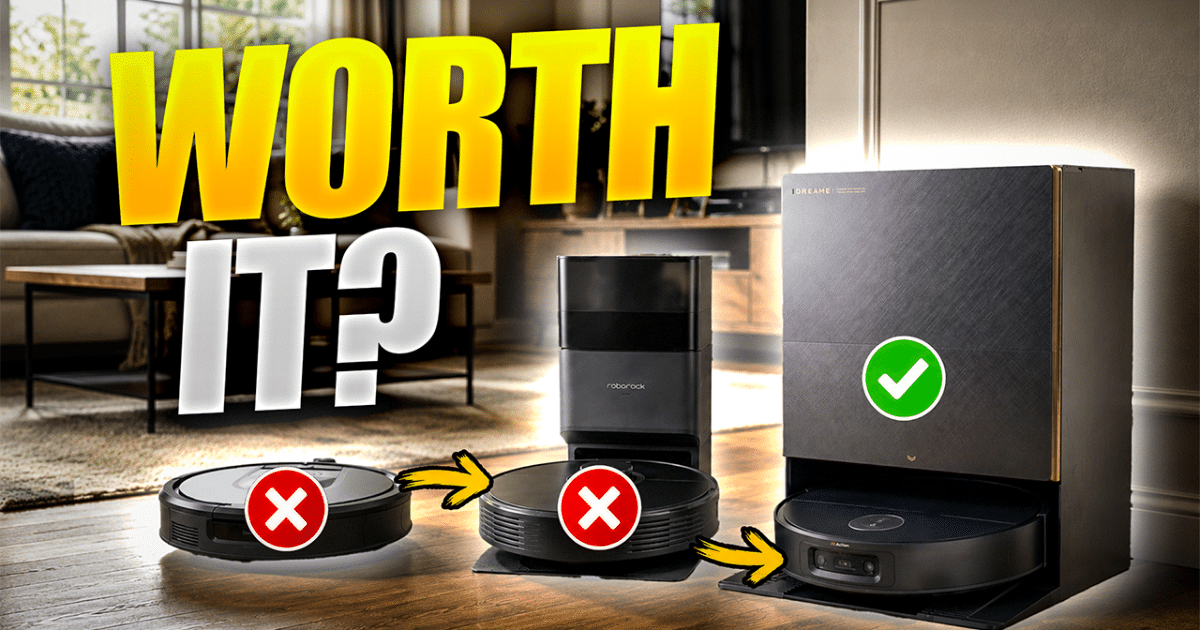
After testing more than 200 robot vacuums, we think modern robot vacuums are worth it for people who want to reduce the time they spend cleaning their floors. Our best deep-carpet cleaning result has increased from 76% among older models to 96%, while smart navigation, mop lifting, and automated base stations have made today’s robots substantially more capable. They are not completely hands-off, however, and even the best obstacle-avoidance systems can still miss objects left on the floor.
Best For
- Maintaining floors between deeper cleanings
- Homes with hard floors, carpets, or both
- Households that want scheduled, automated cleaning
not Ideal For
- Homes where cables, toys, or clutter are regularly left on the floor
- Anyone expecting completely maintenance-free cleaning
- Users who do not want to manage settings through a mobile app
👉 See which models currently rank highest on our regularly updated Top 20 Best Robot Vacuums list.
Robot vacuums have changed significantly over the years. What started as an appliance that constantly needed attention has developed into an automated cleaning assistant that can genuinely make life easier.
We recently purchased and tested our 200th robot vacuum, giving us a front-row seat to the evolution of this product category. Because we have tested models from multiple generations, we can directly compare older robots with today’s releases—and the difference in performance is substantial.
So, are robot vacuums really worth the investment? Below, we’ll explain what modern robot vacuums can do, where they have improved the most, and which limitations buyers should still understand.
For current product recommendations, visit our Vacuum Wars Top 20 Robot Vacuums list, which we update weekly.
Robot Vacuum Cleaning Performance Has Improved Dramatically
As actual vacuum cleaners, it is difficult to find a truly bad robot vacuum these days. Even budget-friendly models generally do a good job picking up everyday debris from hard floors and carpets. In some situations, they can even handle loose debris better than a traditional upright vacuum that may push it around rather than pick it up.
That was not always the case. There was a time when robot vacuums could not compete with conventional vacuum cleaners, particularly when it came to deep carpet cleaning.
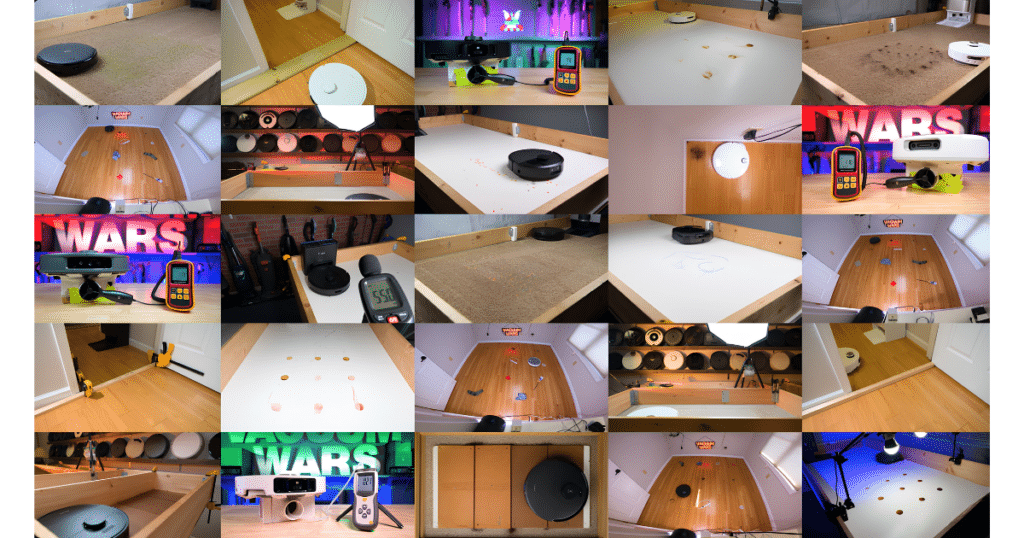
We test deep carpet cleaning by embedding sand into carpet fibers and measuring how much of it the robot can extract. The best robot vacuum once managed only 76% in this test, while a good upright vacuum would typically recover closer to 90% to 100%.
Today, our best robot vacuum carpet deep cleaning score is 96%. Most modern robots score in the high 80s or above, largely because of stronger motors and more effective brush designs.
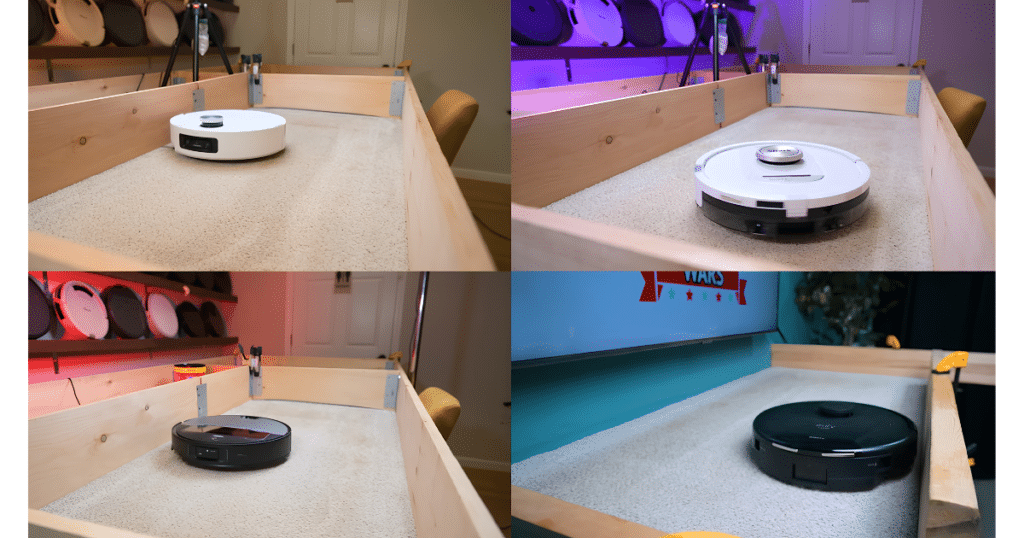
Anti-tangle brush systems have also improved. Many of the major manufacturers, such as with the Dreame X60 (see our review), now achieve perfect or near-perfect results in our hair-tangle testing.
How Vacuum Wars Tests Robot Vacuums: Step into the world of Vacuum Wars, where real-world tests, straight-forward reviews, and no sponsored products redefine robot vacuum evaluations.
Robot Mopping Has Become a Standard Feature
One of the biggest developments we have seen is the growth of robot mopping. There was a time when a robot vacuum was simply a vacuum. Now, almost every model includes some type of mopping system, to the point that it can be difficult to find a robot without one.
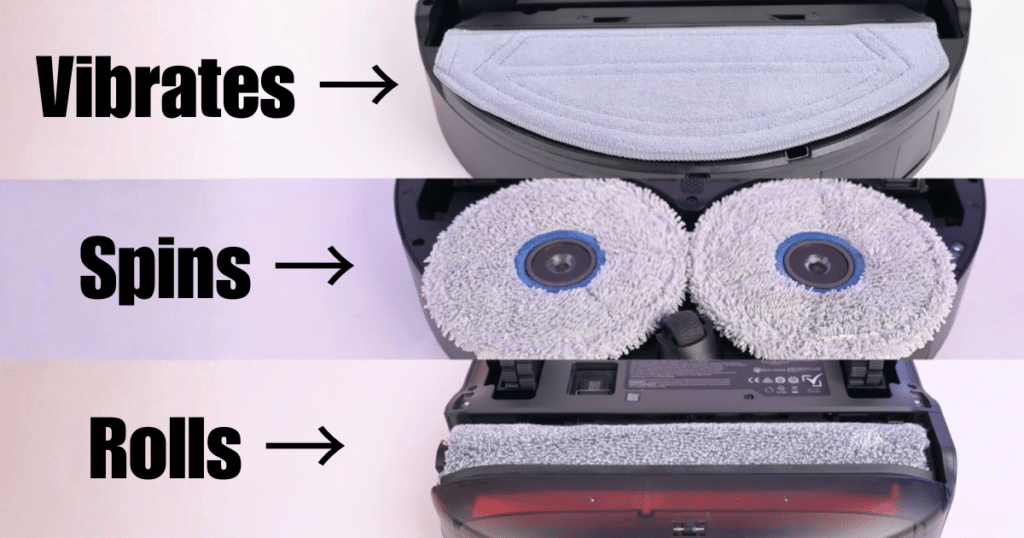
At the most basic level, robot mops use simple wiping modules with electronically controlled water tanks. More advanced systems are designed to provide greater scrubbing action, using pads that vibrate, spin, or roll depending on the model.
We test robot mops based on their ability to remove stains. We also measure how much water they leave behind because excessive water can result in streaked floors.
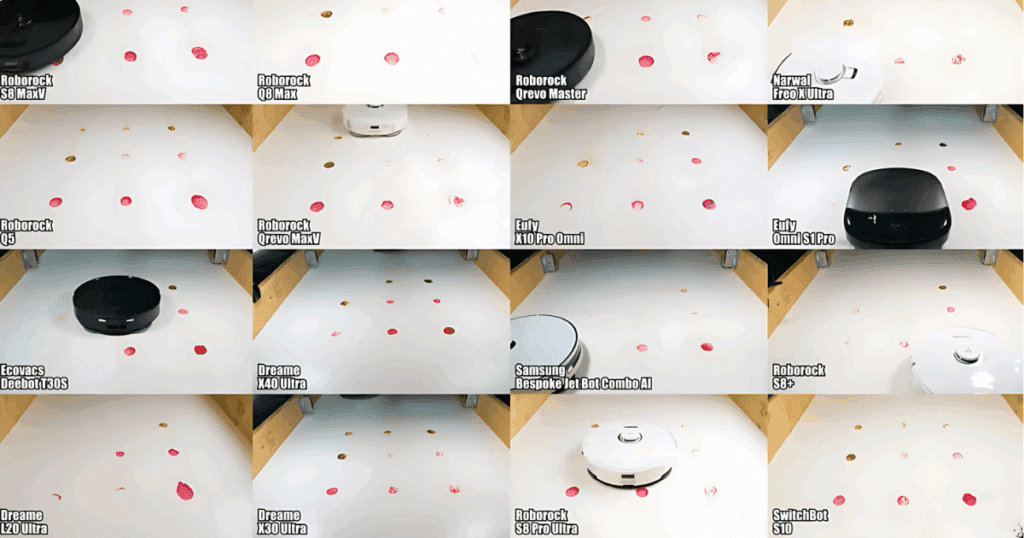
See also: How Vacuum Wars Tests Robot Vacuum Mops
Mop-Lifting Technology Makes Combined Cleaning More Practical
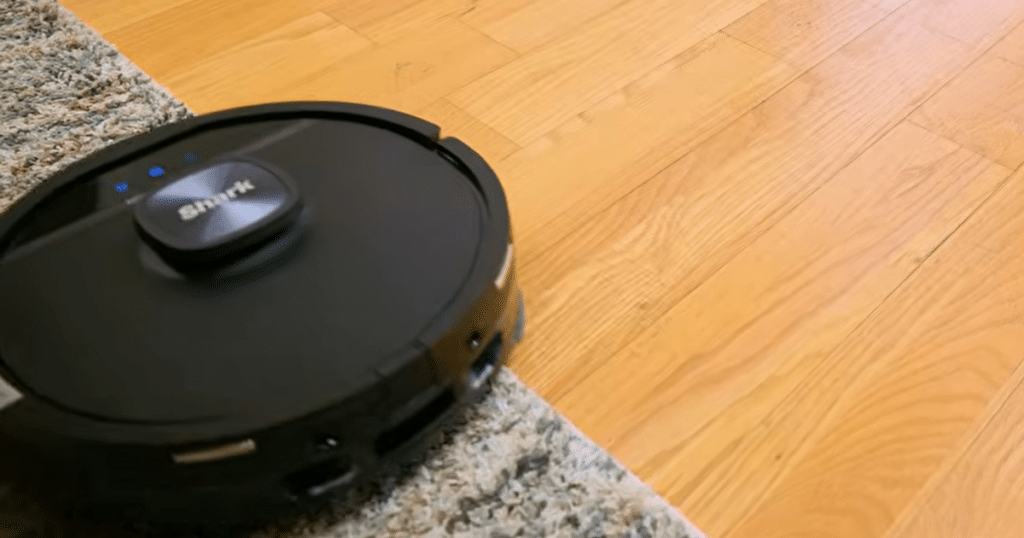
One of the most important robot-mopping developments is automatic mop lifting. Even at lower price points, many robot vacuums can now lift their mop pads when they detect carpet. This allows them to vacuum carpets and mop hard floors during the same cleaning run.
Without mop-lifting technology, users generally need to run separate cleaning cycles and manually attach the mopping module after the vacuuming cycle is complete.
Automated Base Stations Reduce Routine Maintenance
Base-station automation is another area that has advanced considerably. The most basic form of automation is a self-emptying dustbin. The base station removes debris from the robot and stores it in either a disposable bag or a bagless bin. Some users prefer bagless systems because they eliminate the ongoing cost of replacement dust bags.
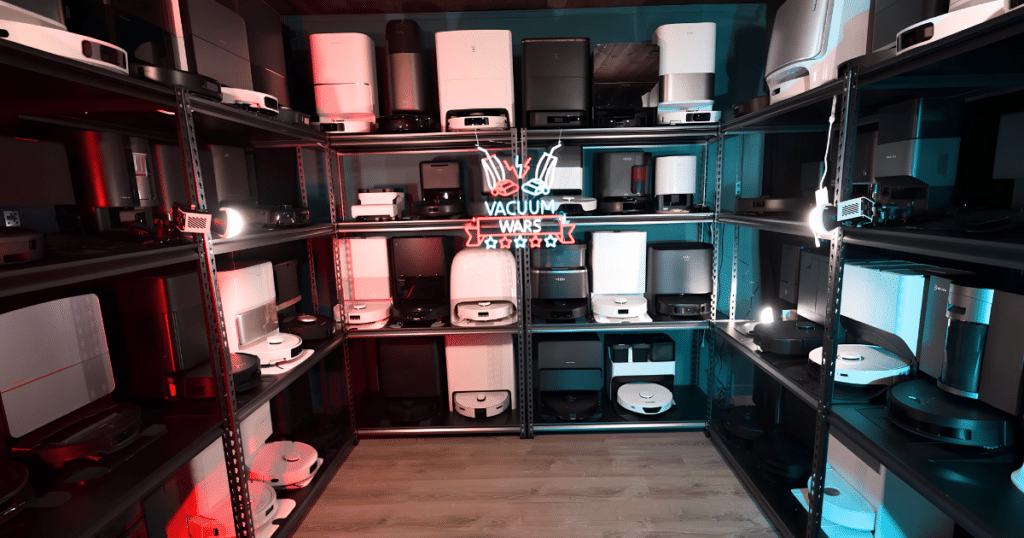
As you move from budget models into the midrange and premium categories, base stations begin to offer features that make the cleaning process significantly more hands-off.
Instead of requiring users to wash the mop pads after every cleaning run, many docks can now wash them automatically. Some systems use hot water during the washing process and then blow-dry the pads to help reduce bacteria and odors.
Certain models can also refill the robot’s onboard water tank automatically. A smaller number will dispense the appropriate amount of cleaning solution without requiring the user to measure it manually.
At the highest level, automated base stations can be connected directly to a home’s plumbing system. With these systems, users do not have to refill clean-water tanks or empty dirty-water tanks manually.
Navigation Determines How Efficiently a Robot Cleans
A fully hands-off cleaning experience also depends on how effectively a robot can move around the home. Robot vacuum navigation has seen enormous progress over the years.
Early robot vacuums relied on basic bump-and-turn navigation. They drove in relatively random patterns until the entire floor—or at least most of it—had been cleaned.
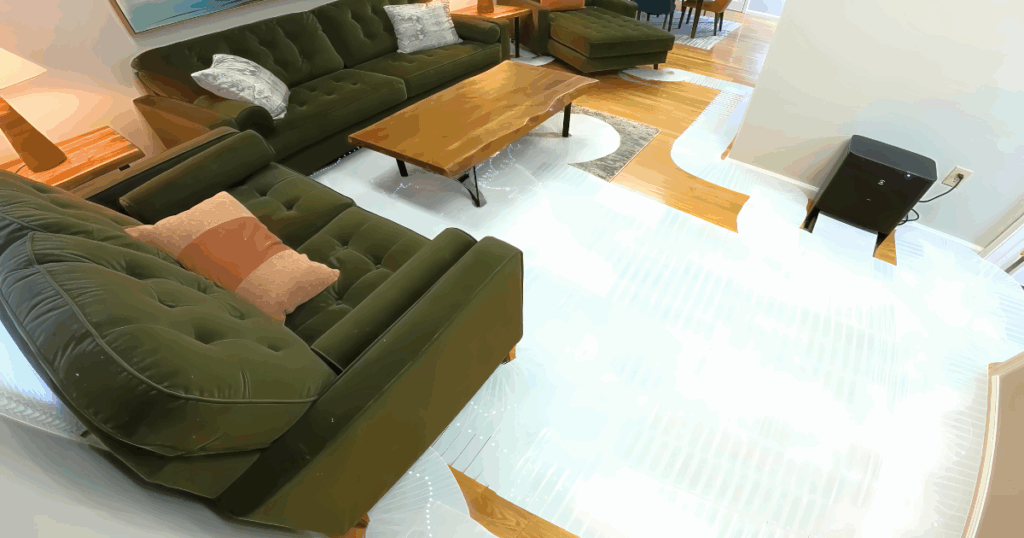
Smart navigation is much more efficient. Modern robots typically use LiDAR or vSLAM sensors to map the home, clean around the edges of a room, and then move across the floor in organized rows or crosshatched patterns.
This approach is easier on the battery and generally provides more complete floor coverage. Smart navigation is also no longer limited to premium models. It can now be found on many of the most affordable robot vacuums.
Obstacle Avoidance Is Different From Navigation
Obstacle avoidance is separate from navigation and is generally a more advanced capability. Navigation helps a robot understand the layout of a room and determine where it needs to clean. Obstacle avoidance helps it recognize smaller items on the floor, such as cables, shoes, toys, and pet waste.
Not every robot vacuum has dedicated obstacle-avoidance sensors. Budget models are less likely to include the feature, and when they do, the system may not be particularly effective.
Obstacle avoidance can be especially important in homes with pets or children, where small objects are more likely to be left on the floor.
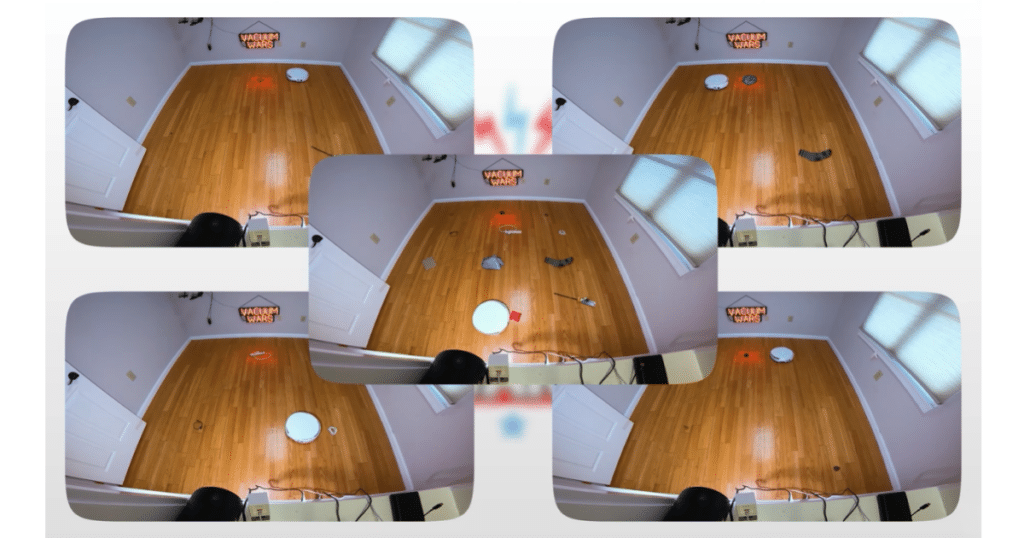
We evaluate these systems using standard tests focused on specific types of objects, along with a more difficult torture test containing 12 different object types. Across our testing, robots average approximately 16 avoided obstacles out of a possible 24. We have seen a perfect obstacle-avoidance score only twice in all the years we have been testing robot vacuums.
The two robots that achieved perfect scores were the Roborock Saros 10R (see our review) and the Eufy Omni S2 (see our review). We consider any score of 20 or higher to be exceptional.
No Obstacle-Avoidance System Is Completely Reliable
Obstacle avoidance remains one of the more frustrating aspects of owning a robot vacuum because no system is completely perfect. There are numerous stories online involving robot vacuums and pet waste. Unfortunately, that type of accident can completely ruin a robot vacuum.
Even when using a high-end model with excellent obstacle avoidance, it is still worth taking a quick look around the room before the robot begins cleaning.
See also: How Vacuum Wars Tests Obstacle Avoidance
App-Based No-Go Zones Make Home Mapping Easier
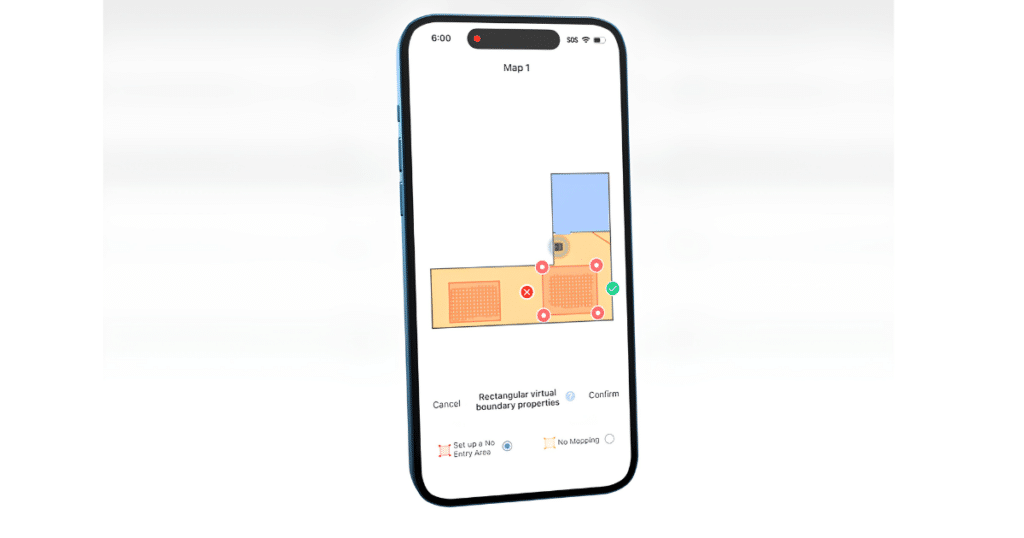
Years ago, keeping a robot vacuum out of certain areas required special magnetic tape or physical boundary sensors. Modern mapping systems have made the process much easier.
When a robot repeatedly gets stuck in a particular location, users can usually mark that location as a no-go zone inside the mobile app. The robot will then avoid the designated area during future cleaning runs.
The Mobile App Is the Robot’s Main Control Center
Robot vacuum apps have also improved significantly, and many major manufacturers now provide well-developed app experiences. Most apps include the basic controls needed to manage vacuuming and mopping settings, edit rooms, create multilevel maps, and establish cleaning schedules.
Users can often create schedules for individual rooms or zones and assign specific vacuuming or mopping settings to each one. Some apps also offer quiet hours, during which the robot uses a lower suction setting to reduce noise.
Certain high-end robots provide access to an onboard camera through the app. Depending on the model, this may support video monitoring, video calling, or pet-finding features.
New robot vacuum owners should understand that the manufacturer’s app is now the central control station for the appliance. Many of the robot’s most useful settings and automation features are managed through it.
Top 20 Robot Vacuums
Explore Vacuum Wars’ always up-to-date rankings of the best robot vacuums, based on independent, hands-on testing. We purchase every unit ourselves and have evaluated more than 150 models, giving us a deep benchmark for cleaning performance, navigation, battery life, and advanced features like obstacle avoidance and mopping.
New Robot Vacuum Technology Continues to Evolve
Robot vacuums are still developing rapidly. Over the last several years, we have seen major technological experiments involving grabbing arms, stair-climbing systems, and even flying robots. These features represent the cutting edge of what robot vacuums may eventually become. However, the research and development behind ambitious flagship features often reaches lower price categories over time.
Technology that begins in an expensive flagship model will often appear in a more affordable model in a later generation. LiDAR navigation and automatic dustbin-emptying stations were once viewed as features for the robots of tomorrow. Today, we see them on some of the least expensive models.
This pattern is good news for buyers. Features introduced on last year’s flagship robots frequently appear on this year’s midrange models before continuing to move further down the market.
Are Robot Vacuums Worth the Investment?
It is an interesting time to explore the robot vacuum category. Modern robots clean better, navigate more efficiently, require less routine maintenance, and offer far more useful automation than previous generations. For people who spend too much time cleaning their floors—or too much time wishing they had time to clean their floors—robot vacuums are more capable than they have ever been.
In our opinion, robot vacuums are definitely worth it.
That said, just because a robot vacuum ranks first with reviewers does not necessarily mean it will be the best option for every home. Flooring type, pets, household clutter, mopping needs, maintenance preferences, and budget can all affect which model is the right fit.
Ready to find the right model for your home? Explore our in-depth robot vacuum reviews for hands-on testing and detailed performance results, or visit the Vacuum Wars Top 20 Robot Vacuums list to see which models currently rank highest.
Browse by Category
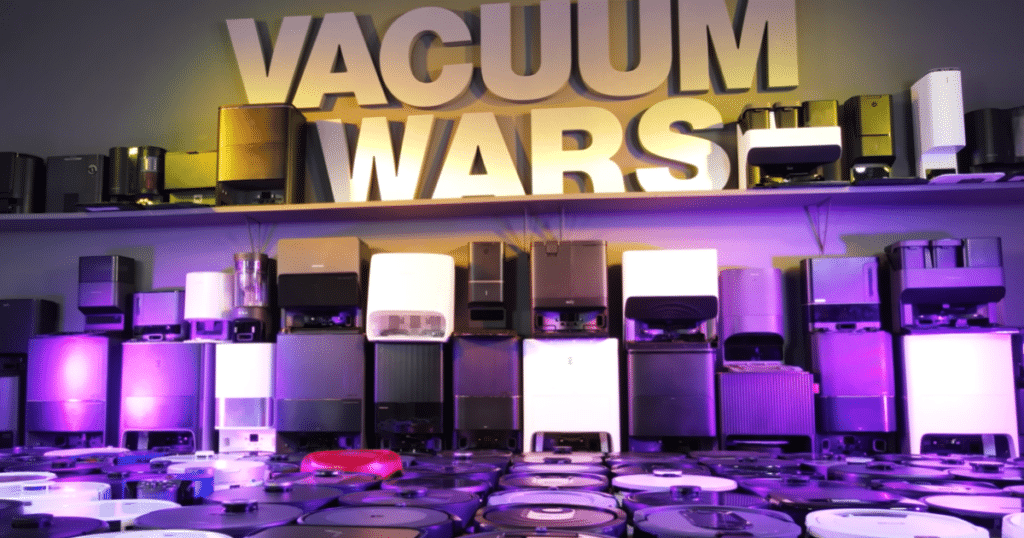
Jump to our tested picks for each type of robot vacuum, or compare any two or three robots head-to-head using our comparison tool.