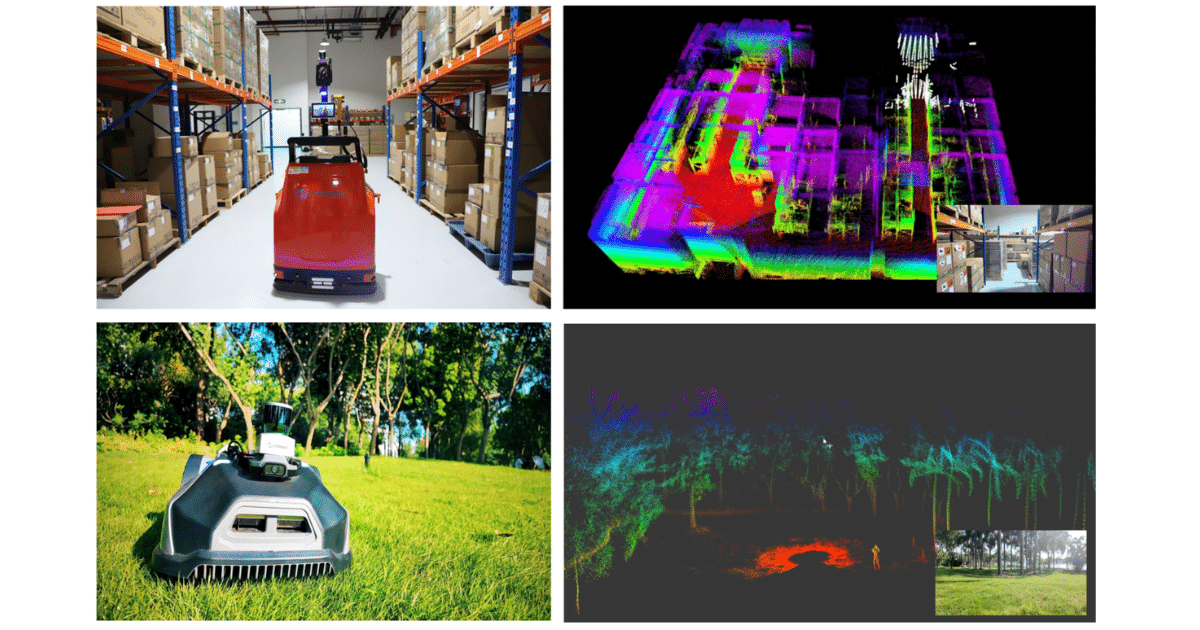
At the World Robot Conference 2025, Orbbec unveiled the Pulsar ME450, the industry’s first multi-pattern 3D LiDAR to combine a MEMS (Micro-Electro-Mechanical Systems) mirror with a motor for configurable scanning patterns and an adjustable vertical field of view. The technology allows robots to switch scanning modes on the fly without changing hardware, meeting very different 3D perception needs in a single device.
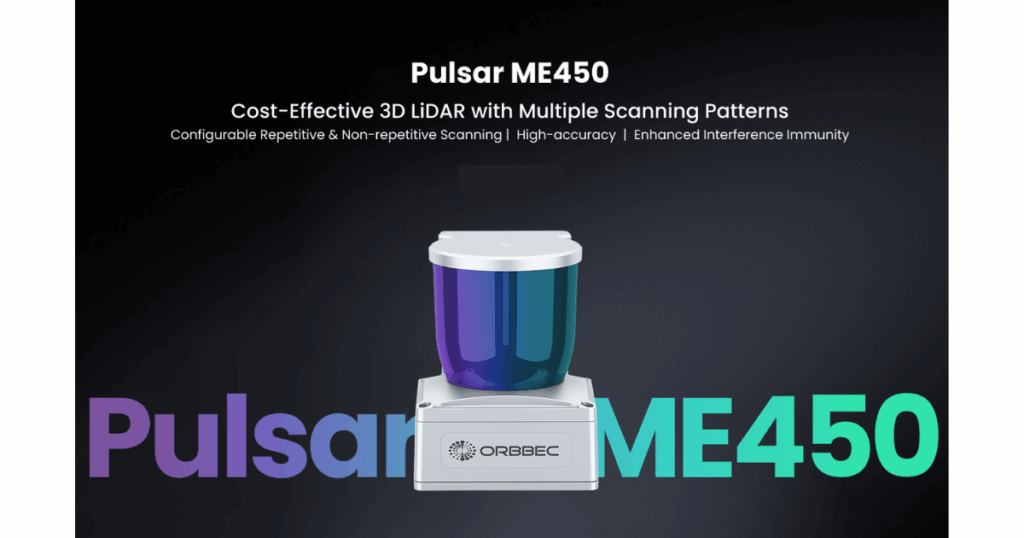
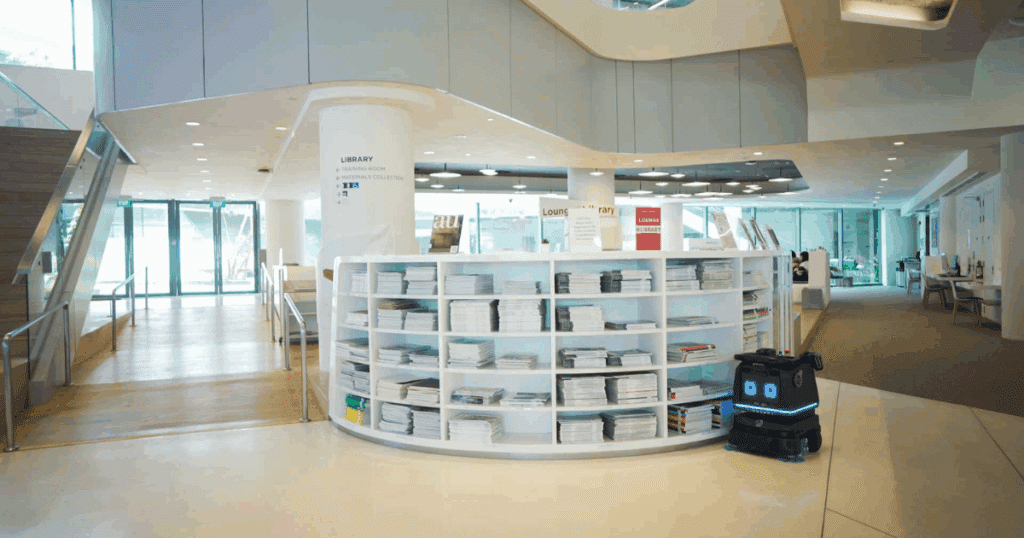
The ME450 is currently aimed at industrial and commercial robots, where navigating large, complex, or outdoor environments pushes standard LiDAR to its limits. Notably, Orbbec already supplies 3D vision technology to LionsBot, a Singapore-based maker of commercial cleaning robots operating in over 30 countries. With solutions like the ME450, Orbbec is continuing to extend its reach beyond controlled indoor environments into expansive, dynamic spaces such as warehouses, malls, airports, and even outdoor work sites.
What Makes It Different
Traditional LiDAR designs are optimized for one task at a time—fast real-time obstacle avoidance or high-density mapping for detailed reconstruction. The Pulsar ME450 breaks that mold by offering:
- Multiple scanning modes. Non-repetitive scanning for quick navigation, repetitive scanning for coverage, and dense scanning for fine detail.
- Adjustable vertical field of view and rotation speeds for different environments.
- Millimeter-level precision and high-fidelity 3D reconstruction.
- Advanced reflectivity detection for stable performance across a range of surfaces and lighting conditions.
This means a single sensor can handle both navigation and mapping, potentially lowering system complexity, integration effort, and cost without sacrificing performance.
Proven in Commercial Robotics
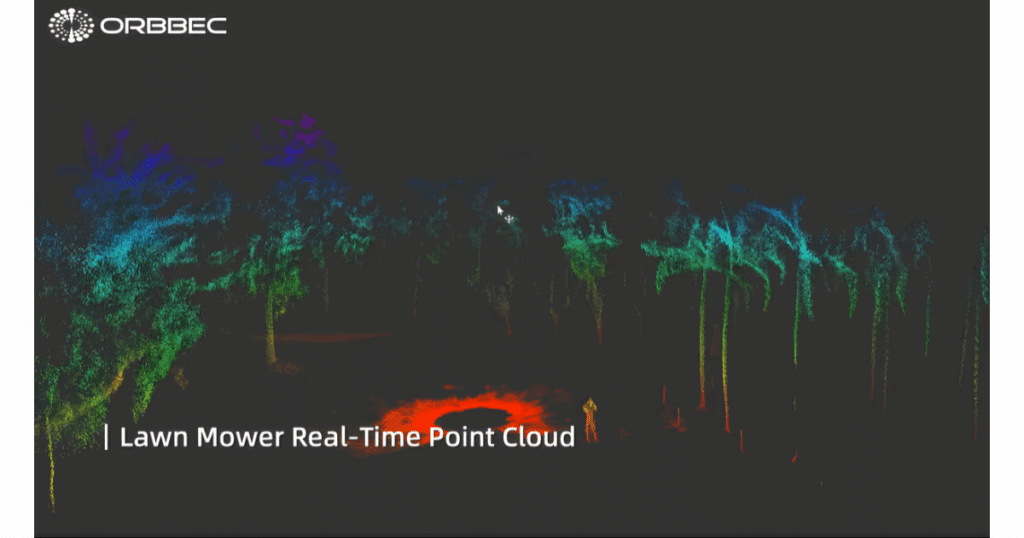
The ME450 has been tested on platforms such as smart forklifts and lawn mowers, demonstrating it can deliver high-quality point clouds and reliable navigation in environments with varied surfaces, lighting, and obstacles. This level of adaptability underscores its value for industries that demand both precision and flexibility.
From Sensors to Systems
Orbbec isn’t new to this space. The company has been developing robotics sensors since 2016 and, by 2023, held over 70% market share in China’s service robot 3D vision segment (GGII research). Today, they supply hundreds of robotics companies in nearly 100 countries, including LionsBot’s fleet of commercial cleaning robots, which operate in more than 30 countries.
These machines rely on Orbbec cameras for omnidirectional obstacle avoidance and intelligent navigation in high-traffic environments such as malls and airports. While not confirmed, future LionsBot models could incorporate Orbbec’s new LiDAR technology as the companies continue working together.
The ME450 signals a clear, deliberate path toward increasingly adaptive and powerful perception systems. Although still aimed at industrial and commercial robots, it represents another step forward in high-end robotic perception. Advances like this strengthen the capabilities of professional and outdoor robotics, setting the stage for machines that can navigate more efficiently, adapt to more environments, and operate with greater autonomy than ever before.
For additional details, see Orbbec’s full announcement or the WRC 2025 website.