Home › Robot Vacuums › Top 20
Independently tested. Never sponsored
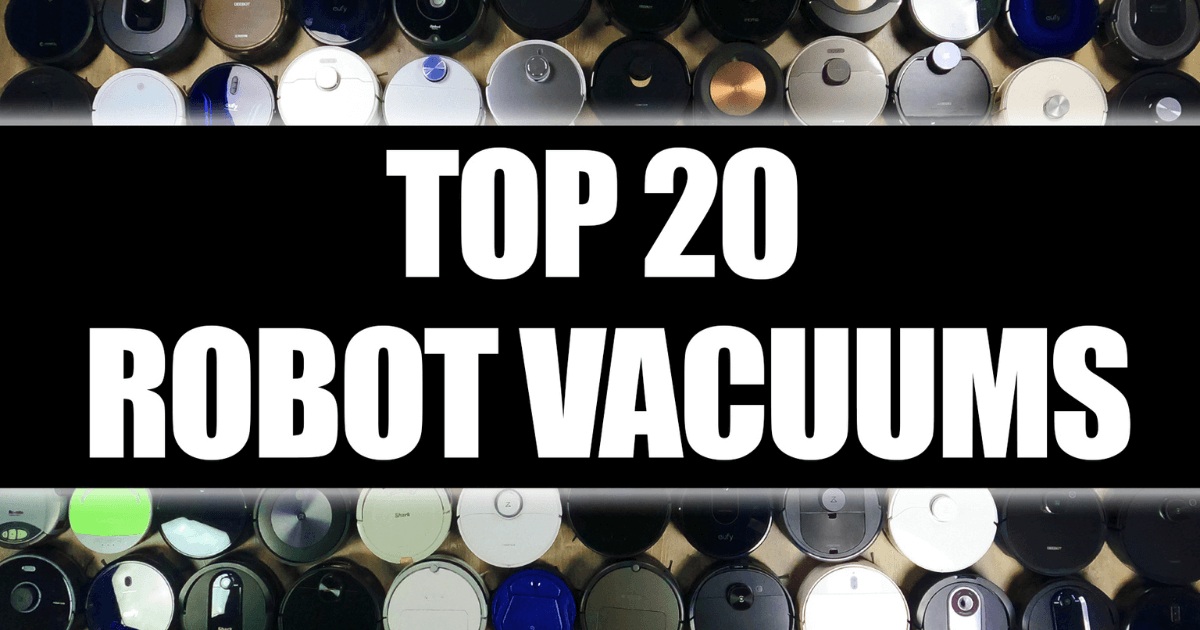
The Best Robot Vacuums of 2026
A continuously updated leaderboard of every robot vacuum we have lab tested, now more than 205 of them. We buy every unit at retail, so the ranking answers to our test data and nothing else.
Every robot runs the same suite in our lab: airflow and suction, carpet deep clean, hard floor and crevice pickup, pet hair pickup and hair tangle resistance, navigation timing and coverage, obstacle avoidance across 24 objects, and mopping across 14 dried stains where the robot is equipped for it. Scores are calculated against the average of all 205+ robots we have tested, and a robot is re-scored whenever we retest it, so the order here shifts with the data rather than with the release calendar.
BEST OVERALL
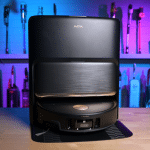
Mova V70 Ultra Complete
★ Vacuum Wars Stars
Our highest overall score, with premium dock automation.
$1,299.00 $999.00
BEST VALUE
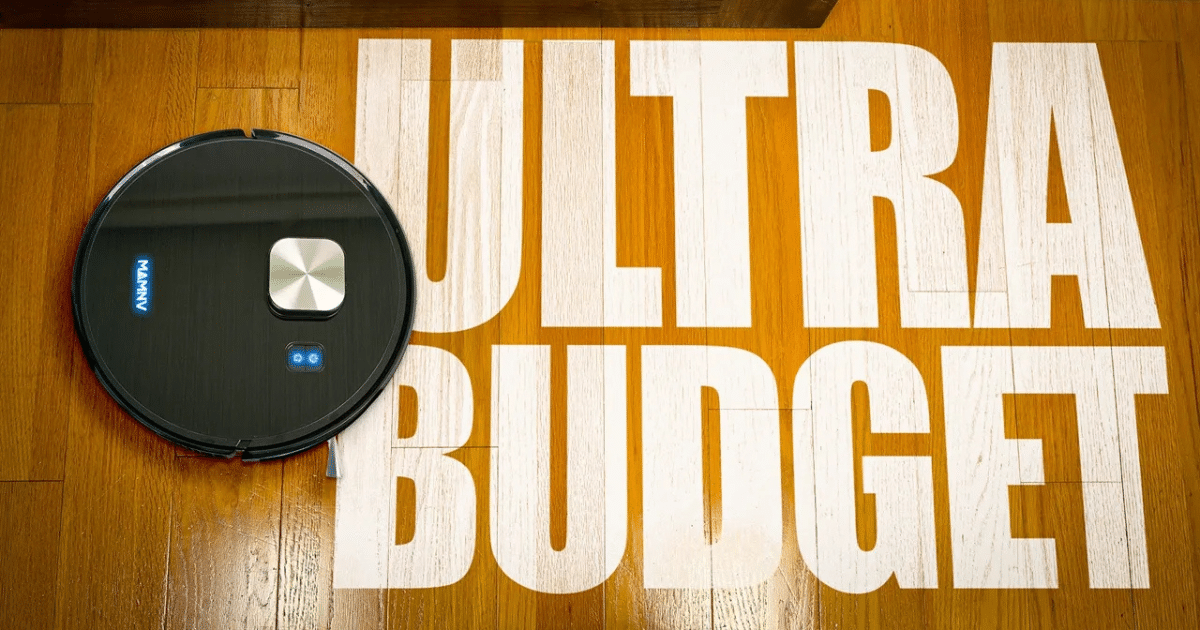
BEST BUDGET
The ranking
The Top 20
To sort and filter by test data, use the comparison tool
RankRobotScorePrice today
MOVA V70 Ultra Complete
Vacuum Wars Stars 4.09
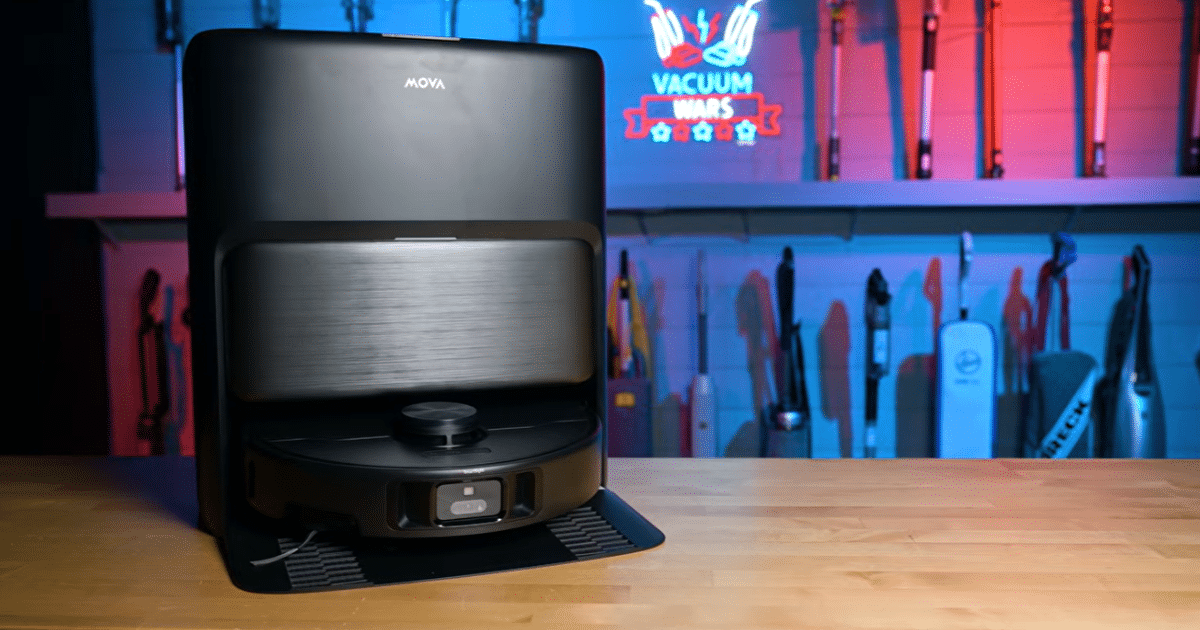
The MOVA V70 Ultra Complete is a flagship robot vacuum and mop with a manufacturer-rated 42,000 Pa of suction. According to MOVA, its MaxiReachX system can extend the rotating mop up to 17 cm and the side brush approximately 12 cm beyond the robot. StepMaster 2.0 raises the chassis to cross single thresholds up to 45 mm or two-stage obstacles measuring a combined 90 mm, while retractable DToF navigation helps the robot fit beneath lower furniture. The EcoCyclone dock automatically empties debris into a washable, reusable bagless container that MOVA rates for up to 100 days of collection. The company also specifies mop washing at up to 212°F, drying with 158°F air, automatic cleaning-solution dispensing, and washboard cleaning. Additional listed features include automatic mop removal for carpet cleaning, a 6,400 mAh battery, fast charging, automatic recharge-and-resume cleaning, ultrasonic carpet detection, app customization, and recognition for more than 300 object types. See additional info
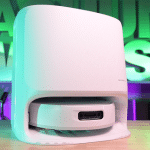
Narwal Freo 20
Vacuum Wars Stars 4.05
The Narwal Freo 20 is a robot vacuum and mop combining up to 31,000 Pa of suction with the FlowWash system, a rolling track mop that continuously rinses itself with water while cleaning. Sixteen nozzles supply water heated to 140°F, while 12 N of downward pressure helps remove stubborn stains. EdgeReach extends the mop toward walls and corners, and the DualFlow system pairs an aerodynamic main brush with an active-reversing side brush to resist hair tangles. TwinAI Dodge obstacle avoidance uses two 1080p RGB cameras and AI to recognize more than 300 object types, distinguish dry debris from liquid spills, and adjust cleaning. The all-in-one dock automatically empties debris into a 2.4-liter bag, washes the mop with hot water, dries it with 140°F air, and performs water-tank self-cleaning. App features include multilevel mapping, room editing, schedules, no-go zones, video monitoring, Pet Care, Baby Care, and Freo Mind 4.0 cleaning recommendations. See additional info
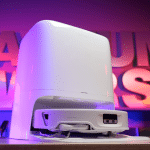
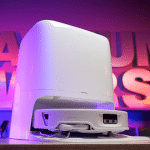
Roborock Qrevo Edge 3 Pro
Vacuum Wars Stars 4.03
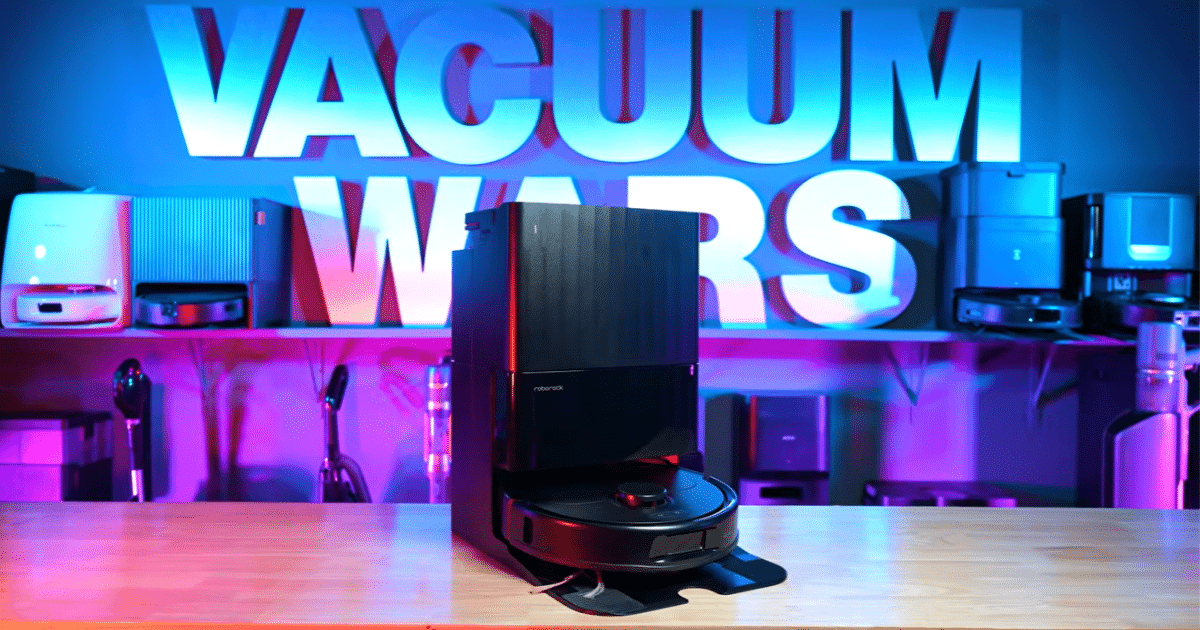
The Roborock Qrevo Edge 3 Pro combines strong carpet cleaning with efficient navigation and advanced dock automation. In Vacuum Wars testing, it removed 93% of embedded sand, avoided tangles with seven-inch hair, and crossed a 57 mm threshold. Retractable LiDAR helps it navigate beneath furniture, while extending brushes and spinning mop pads improve edge coverage. Its dock washes and dries the pads, dispenses detergent, and supplies warm mopping water. Mopping and obstacle avoidance scored above average overall. Drawbacks include a small 240 mL dustbin, below-average measured suction and airflow, and initial scattering of fine debris on hard floors during testing. See additional info
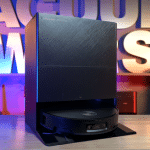
Dreame X60 Max Ultra Complete
Vacuum Wars Stars 4.01
The Dreame X60 Max Ultra Complete is Dreame’s flagship robot vacuum-mop combo, featuring a slim 3.13-inch (79.5 mm) retractable-LiDAR design paired with exceptional 51 mm (2-inch) threshold climbing. It delivers powerful 35,000 Pa suction and uses the HyperStream Duo Divide anti-tangle brush with an extending side brush to improve edge cleaning and prevent hair wrap. In testing, it performed extremely well on hard floors and carpets, achieving an 89% carpet deep-clean score and a rare 100% score in flattened pet-hair pickup. Its upgraded mopping system includes dual spinning pads with warmed water, 15 N downward pressure, 21.5 mm mop lifting, an extending edge mop, and optional mop removal for vacuum-only runs. Obstacle avoidance is another highlight, using binocular AI cameras, edge sensors, and Proactive Illumination to detect objects as small as 1 cm while avoiding 22 of 24 objects in testing. The self-empty dock includes a 3.2 L dust bag, boiling-temperature mop washing, hot-air drying, fast charging (approximately 80 minutes), and automatic detergent and odor-control refilling. Downsides include slightly below-average navigation efficiency, modest battery efficiency and coverage of about 950 square feet per charge, and a relatively small 235 mL onboard dustbin. See additional info
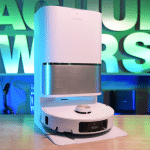
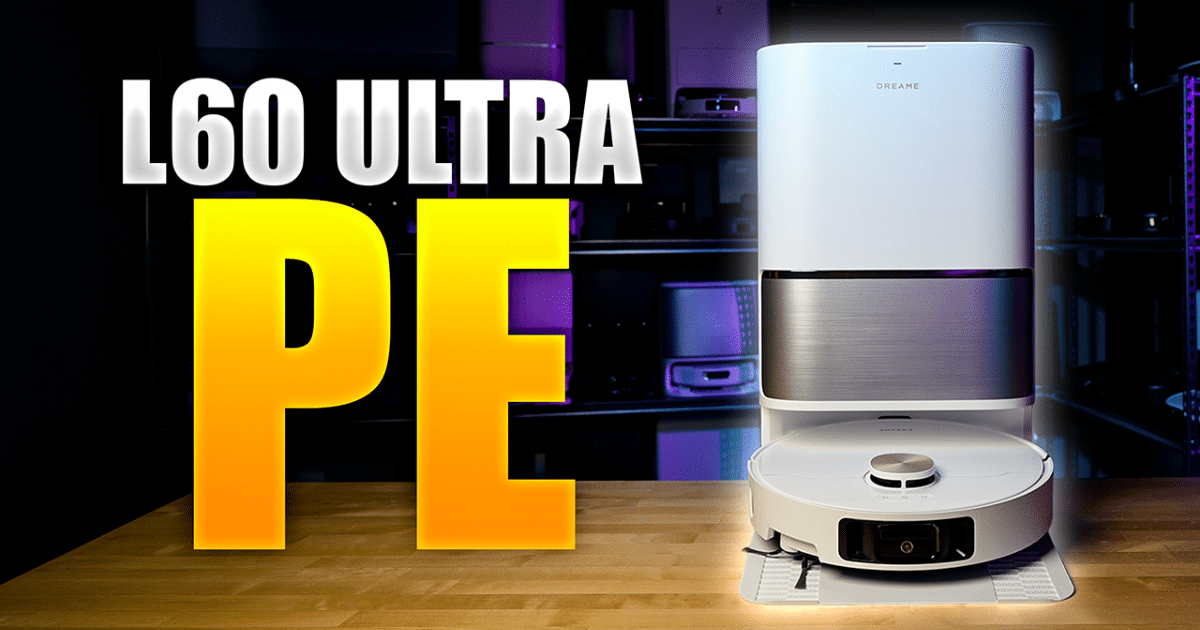
Dreame L60 Ultra PE
Vacuum Wars Stars 3.97
The Dreame L60 Ultra PE is a midrange robot vacuum and mop with 30,000Pa Vormax suction, a tangle-resistant HyperStream DuoBrush, an extending side brush, dual spinning mop pads operating at 165 rpm with 13N of pressure, 10.5mm mop lift, LiDAR navigation, AI-camera and 3D ToF obstacle avoidance, Matter support, onboard voice control, and a dock that auto-empties, refills water and detergent, washes and self-cleans with boiling water, and dries the pads with hot air. In testing, it scored 94% in carpet deep cleaning, the second-highest result among nearly 200 robots, plus 100% flattened pet-hair pickup with 0% brush wrap. It avoided 21 of 24 obstacles, crossed 19mm thresholds but failed at 25mm, cleaned faster than average, and achieved above-average coverage per charge despite below-average battery efficiency. General pickup was strong, though fine debris scattered slightly on hard floors, crevice pickup was average, stain removal was below average due to low water output, suction and airflow bench scores were low, and the dustbin is small. Dreame’s app offers granular controls, schedules, no-go and no-mop zones, and floor-direction cleaning. Even with a handful of average scores, the L60 Ultra PE was an impressive robot, all the more so for its price range. These results sent the L60 Ultra PE straight to the top of our Top 20 Robot vacuum list. See additional info
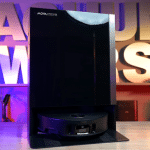
Mova Mobius 60
Vacuum Wars Stars 3.95
The Mova Mobius 60 is a premium robot vacuum-mop combo built for hands-off cleaning, pairing up to 30,000Pa suction with a MopSwap™ system that can automatically select among three interchangeable pads (ThermoHold for greasy kitchens, Plush for wood floors, and HyperClean for all-around use). It boosts carpet pickup with a pressure-retention baffle, uses triple anti-tangle mechanisms for hair, and employs StepMaster 2.0 retractable legs to clear obstacles up to 80mm (about 3.14″). FlexScope™ navigation uses a retractable sensor for better low-clearance reach, while AI SmartSight with a structured-light 3D scanner (plus LED fill light) can recognize 240+ obstacles. For edge work, the side brush extends and lifts 10mm, and the RoboSwing mop extends with a 10.5mm lift to avoid carpets. The all-in-one base auto-empties into a 3.2L bag, auto-refills, and hot-washes pads at up to 212°F, with JetSpray Dryboard nozzles, 100°C PTC heating, UV sterilization, and dust-bag drying; onboard capacity includes a 6,400mAh battery, 300mL dust box, and 5.5L/4.0L clean/used-water tanks, plus “Hey, MOVA” voice control. See additional info
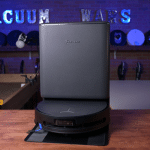
Ecovacs Deebot T90 Pro Omni
Vacuum Wars Stars 3.92
The Ecovacs T90 Pro Omni impressed in Vacuum Wars testing as one of the brand’s best-performing robots to date, combining powerful vacuuming, excellent mopping, and premium automation features. Powered by Ecovacs’ latest Blast technology, it delivers a claimed 30,000Pa suction level and achieved airflow and debris pickup results well above average, including excellent carpet deep-cleaning performance. In pet hair testing, it earned a rare 100% pickup score versus the 82% average, while its ZeroTangle 4.0 brush system also achieved a perfect score in seven-inch hair tangle tests. Obstacle avoidance was another standout, successfully avoiding 23 of 24 objects in testing. The Osmo Roller 3.0 mopping system scored 157 points in dried stain tests, nearly 50% above average, giving it the second-highest combined mopping score ever recorded by Vacuum Wars. Additional pros include Matter compatibility, hot-water mop washing, fast charging, strong battery efficiency, and a low-profile embedded LiDAR design. The main drawback was its very small 250ml dustbin, roughly 30% smaller than average, though frequent auto-emptying helps reduce the issue. Navigation efficiency was slightly above average and threshold crossing reached 32mm though navigation quirks still occasionally appeared during testing sessions. See additional info
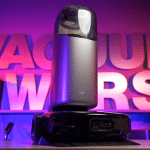
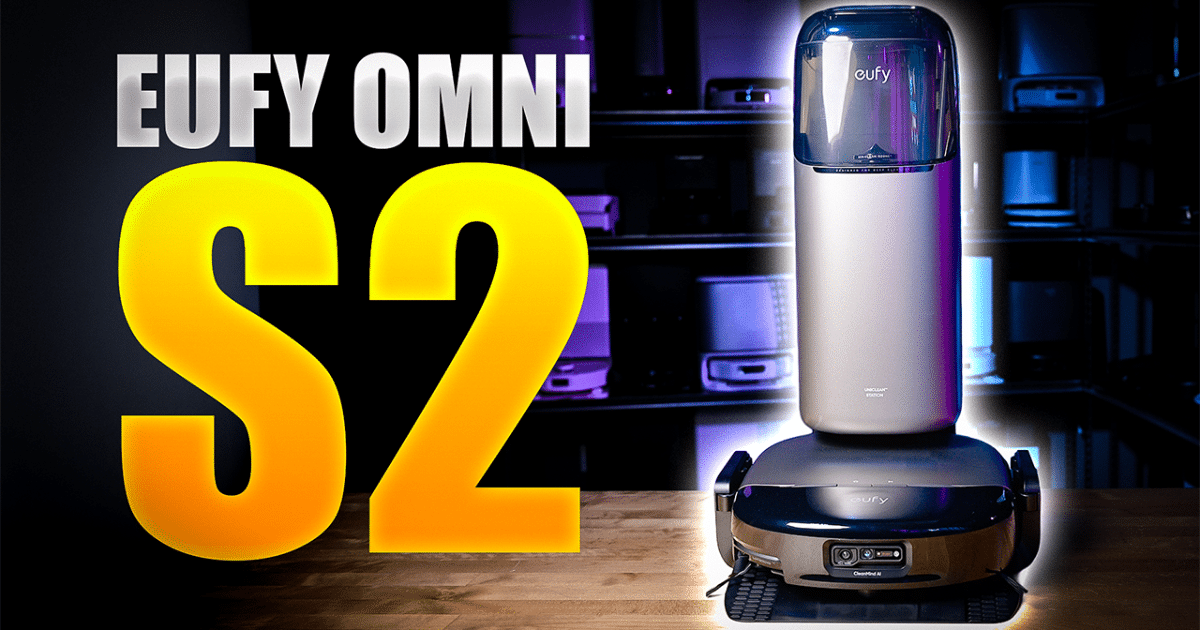
Eufy Omni S2
Vacuum Wars Stars 3.91
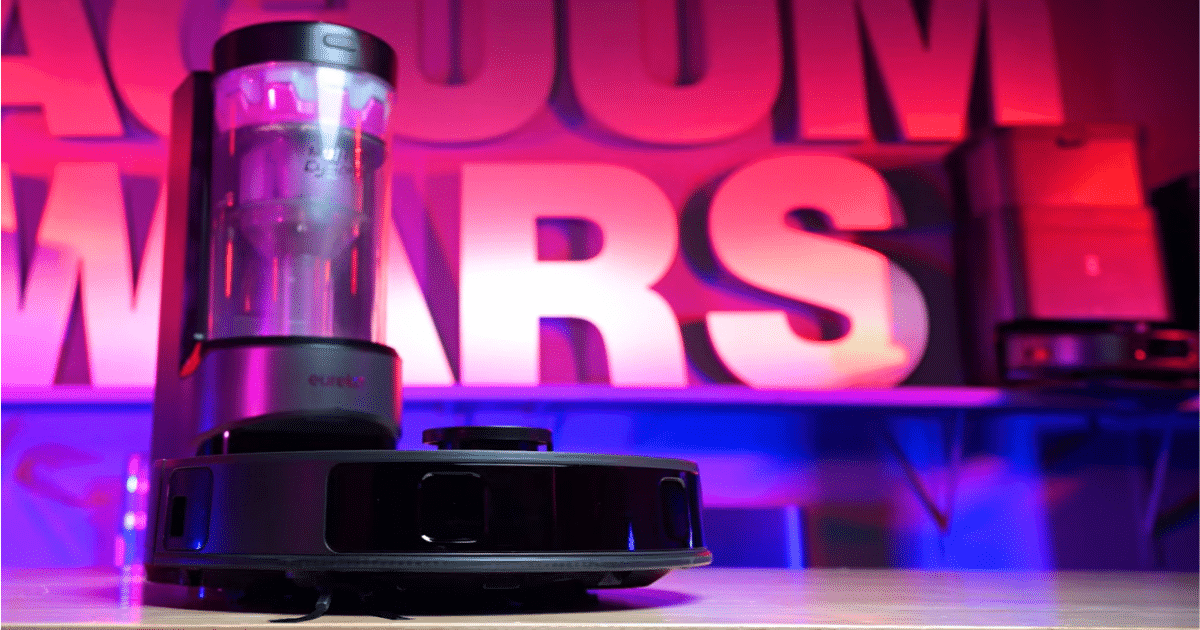
The Eufy Omni S2 is Eufy’s flagship robot vacuum and mop, pairing its AeroTurbo 2.0 vacuum system with 30,000Pa of suction, a DuoSpiral split main brush, an extending side brush, and the HyperStream 2.0 self-cleaning roller mop. In testing, it excelled on carpets, removing 87% of embedded sand compared to the S1’s 61%, while lifting more than 88% of flattened pet hair from carpet. Its anti-tangle brush design also achieved a perfect score, with no hair wrapping during the 7-inch hair test. Obstacle avoidance was another standout, earning a flawless 24 out of 24 by avoiding every object in both standard and torture tests. The roller mop spins at 240 RPM, applies 15N of downward pressure, lifts 28mm over carpet, and is supported by the Uniclean dock, which washes the roller with 140°F water, dries it with 131°F hot air, auto-dispenses detergent, fast charges the robot, and stores up to 68 days of debris. Downsides include below-average mopping stain performance with an 82-point score, reduced water output, lower-than-average navigation efficiency and estimated square footage per charge, some fine debris scattering on hard floors, inconsistent 32mm threshold climbing, and no live camera viewing despite the onboard camera. See additional info
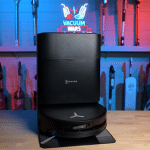
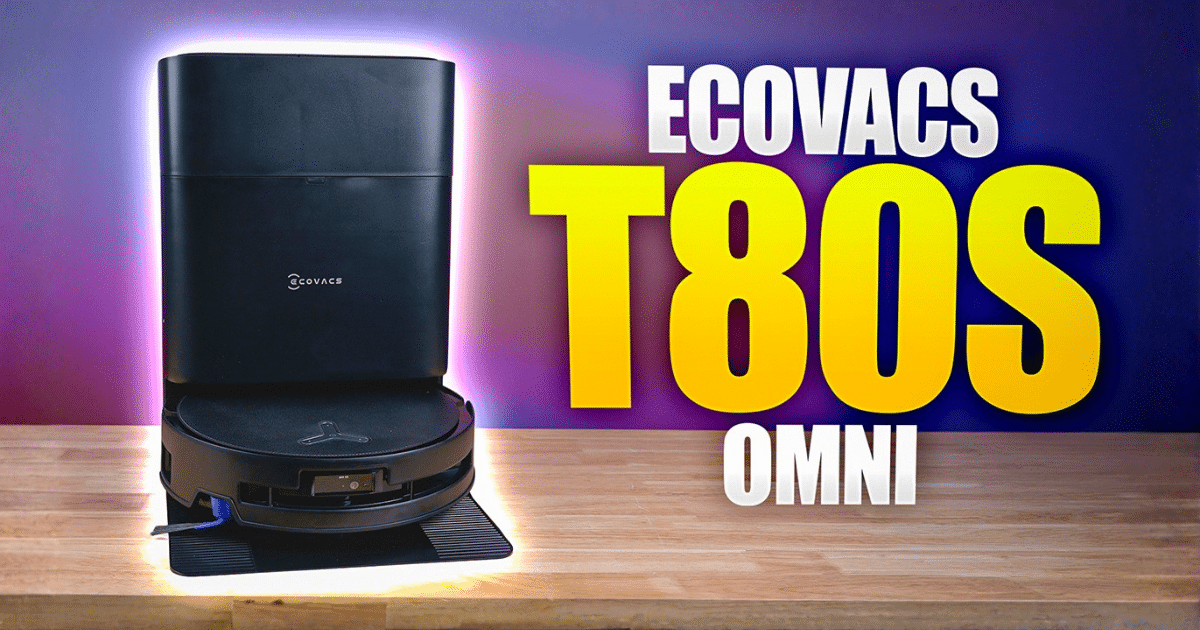
Ecovacs Deebot T80S Omni
Vacuum Wars Stars 3.90
The Ecovacs T80s Omni is a mid-range robot vacuum that delivered impressive performance across nearly every major test category. Its strongest advantage is floor cleaning, with suction measuring 2.5 times higher than average and airflow also exceeding average benchmarks. In carpet deep-cleaning tests, it removed 91% of embedded sand, outperforming even the more expensive T90. The ZeroTangle 3.0 brush system excelled with pet hair, achieving 100% pickup of flattened 2.5-inch hair and recording zero tangles in tests using 7-inch hair, compared to a 26% average tangle rate. Mopping was another highlight, thanks to its Ozmo Roller 2.0 system, which continuously rinses the roller, handles wet spills effectively, lifts 15 mm over carpets, extends to edges, and earned a high combined mopping score with excellent stain removal and minimal residual water. Obstacle avoidance was outstanding, successfully avoiding 21 of 24 test objects using its RGB camera and structured-light sensor system. Additional benefits include a multifunction dock with 75°C hot-water mop washing, 62°C hot-air drying, strong battery efficiency, and a feature-rich app. The primary drawback was below-average navigation efficiency, leading to slower floor coverage, slightly below-average estimated coverage per charge, and occasional user-reported mapping issues. See additional info
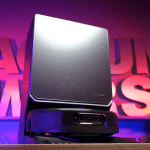
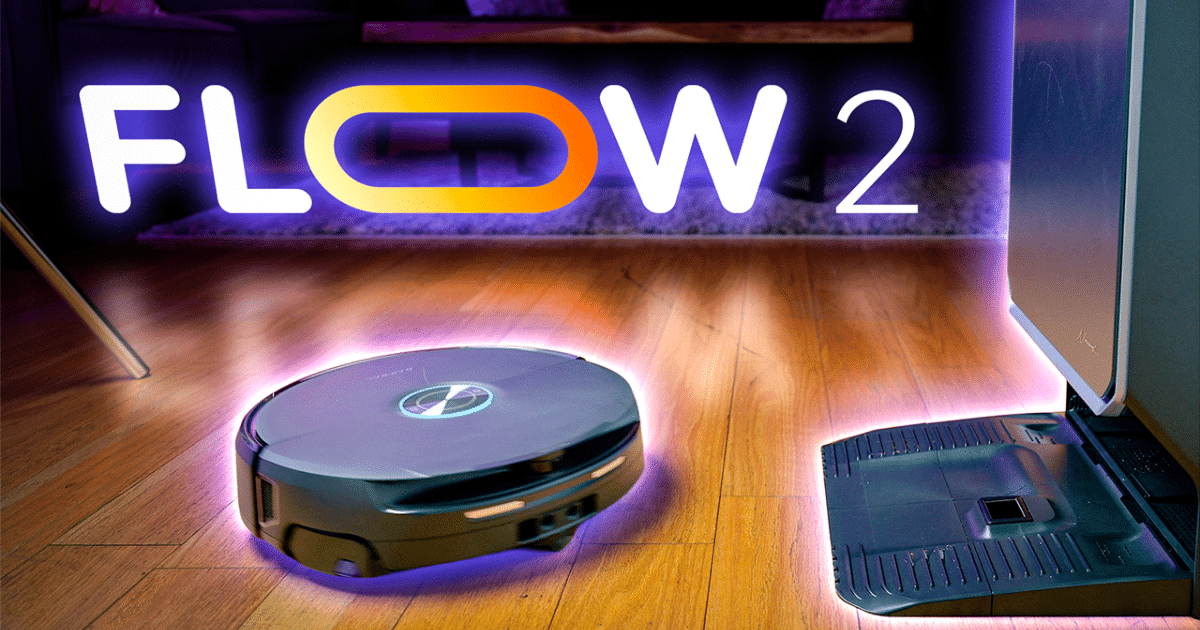
Narwal Flow 2
Vacuum Wars Stars 3.88
The Narwal Flow 2 is Narwal’s latest flagship robot vacuum and introduces several notable upgrades, highlighted by its Visual Language Model (VLM) system with dual HD cameras and a 10-TOPS AI processor that can recognize a virtually unlimited range of objects, detect items as small as 5 mm, and even locate valuables such as keys and wallets. In testing, it excelled at obstacle avoidance, avoiding 20 of 24 obstacles, and delivered above-average navigation efficiency despite its unconventional cleaning pattern. Vacuuming performance was another strength, with a powerful 31,000 Pa suction rating, airflow slightly above average, 84% sand removal in the carpet deep-clean test, excellent flattened pet hair pickup, and perfect anti-tangle results with 0% hair wrap in the 7-inch hair test versus a 26% average. Additional advantages include robust mopping hardware with a self-refreshing roller mop, 10 mm mop lift, edge extension, strong threshold crossing up to 38 mm, an excellent multifunction dock, Matter compatibility, and extensive app features. The main drawbacks were mopping performance, which scored just 68 points in the dried-on stain test compared to a 108-point average, and concerns about app reliability, with some users reporting mapping and connectivity issues. Despite these weaknesses, the Flow 2 earned a place on our Top 20 robot vacuum list. See additional info
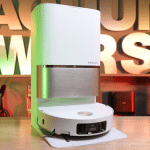
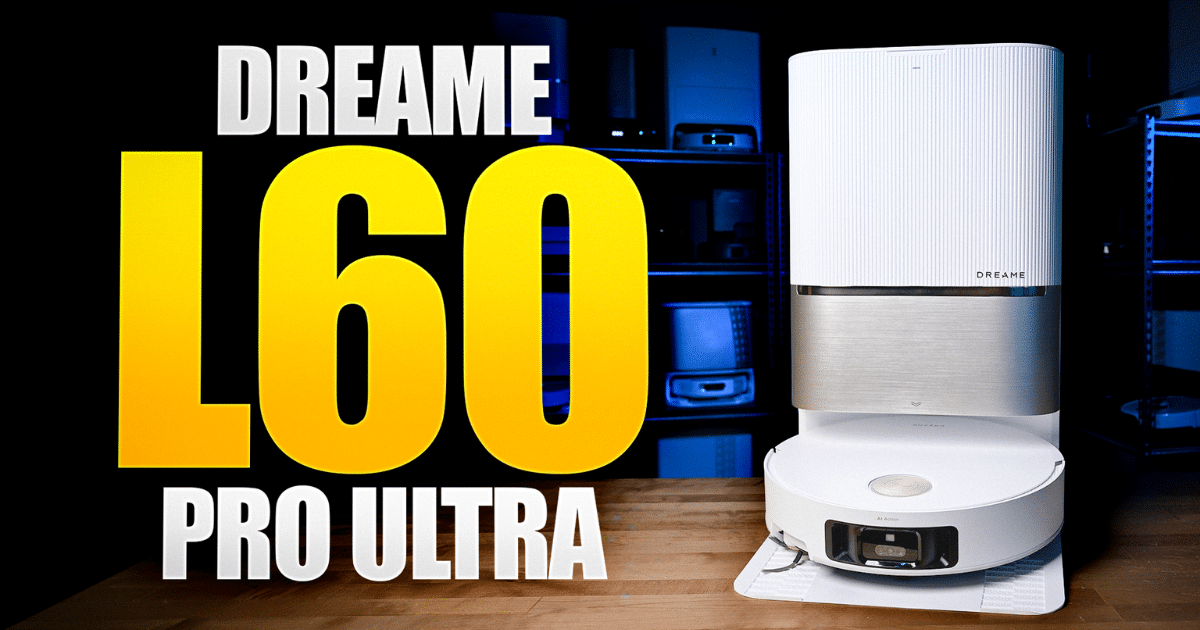
Dreame L60 Pro Ultra
Vacuum Wars Stars 3.84
The Dreame L60 Pro Ultra is a premium robot vacuum/mop combo that combines powerful cleaning performance with advanced automation and obstacle handling. In Vacuum Wars testing, it achieved 90% sand removal in the carpet deep-clean test, scored above average in suction and airflow testing, removed 93.5% of embedded pet hair from carpet compared to the category average of 82%, and recorded 0% hair tangles in the anti-tangle test thanks to its HyperStream DuoBrush system and anti-tangle side brush. Its AI-powered obstacle avoidance system, which combines a camera, dual-laser 3D structured light, and LED illumination, successfully avoided 22 of 24 objects in testing. The robot also excelled at threshold climbing, clearing a 51mm threshold, and features a low 89mm height for cleaning under furniture. Premium features include dual spinning mop pads with 40°C (104°F) heated water mopping, automatic mop washing with 212°F hot water, hot-air drying, detergent mixing, automatic mop-pad removal for vacuum-only runs, fast charging, Matter compatibility, and one of the industry’s most feature-rich apps. Weaknesses include below-average combined mopping performance due to excessive water usage, below-average navigation efficiency, and lower battery efficiency, which resulted in less area cleaned per charge than average. Overall, its strengths in vacuuming, obstacle avoidance, threshold climbing, and hair handling greatly outweigh its drawbacks. See additional info
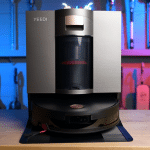
Yeedi S20 Infinity
Vacuum Wars Stars 3.84
The Yeedi S20 Infinity is a high-performing upper mid-range robot vacuum that closely mirrors a flagship model while offering strong value, especially for homes with pets. In testing, it excelled with an 89% carpet deep clean score, a perfect 100% pet hair pickup, zero hair tangles, and top-tier suction and airflow results, along with above-average obstacle avoidance (21/24 objects) and highly efficient navigation and battery performance. Its key pros include a rare bagless dock that avoids recurring costs, excellent vacuuming across surfaces, effective anti-tangle brush design, strong app features, hot water mop washing and drying, and a roller mop system that handles liquid messes well and lifts on carpet. However, the cons include extremely poor mopping results on dried stains due to low water usage (though real-world results were better, suggesting possible firmware or testing issues), occasional hair buildup inside the dock requiring manual cleaning, a small 220 ml onboard dustbin that may clog more easily, and no live video monitoring in the app. Overall, it’s a powerful, low-maintenance vacuum with inconsistent mopping performance. See additional info
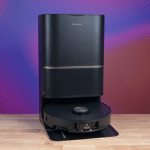
Dreame L50 Ultra
Vacuum Wars Stars 3.82
The Dreame L50 Ultra is a robot vacuum/mop combo featuring a ProLeap™ system with retractable legs that enable it to climb over obstacles up to 2.36 in (6 cm) and vertical steps up to 1.65 in (4.2 cm), supported by a shock‑absorbing design rated for 30,000 cleaning cycles. It delivers up to 19,500 Pa of Vormax™ suction and uses a HyperStream™ Detangling DuoBrush to remove debris and long hair (up to 11.8 in) with reduced tangling and noise. With Dual Flex Arm Technology, extendable side brush, and mop reach, it can clean into tight corners and under low furniture; TripleUp Tech allows it to lift mop pads (0.413 in) during vacuuming for multi-surface coverage. Its dock uses the AceClean™ DryBoard system: 167 °F hot‑water cleaning of mop pads across four temperature settings, followed by hot‑air drying, and auto‑empties dust into a 3.2 L bag that lasts up to 100 days. Additional features include AI-driven obstacle avoidance using RGB and 3D structured light, LED path illumination, app control via Dreamehome, and automated water refill with sensor-based rewashing and remopping. See additional info
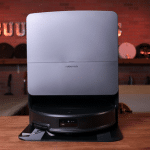
Roborock Saros 20
Vacuum Wars Stars 3.81
The Roborock Saros 20 is a premium flagship robot vacuum with standout cleaning performance, advanced automation features, and impressive obstacle handling. Its dual spinning mop pads operate at 200 RPM with adaptive pressure up to 13N, delivering above-average stain removal while using less water than average, which helped reduce streaking during testing. Vacuuming performance was also strong, with its 36,000Pa suction system clearing debris effectively on hard floors and carpets. In Vacuum Wars testing, it removed 89% of embedded sand in carpet deep-clean tests and picked up 88% of flattened pet hair, while the DuoDivide anti-tangle brush earned a perfect score in the 7-inch hair tangle test. Obstacle avoidance was above average, successfully avoiding 17 of 24 objects, and its Adaptive Lift 3.0 system crossed a record-setting 57mm threshold while maintaining a slim 3.13-inch profile. Additional highlights include boiling-water mop washing, hot-air drying, detergent dispensing, fast charging, automatic mop removal, Matter support, and a feature-rich app. Downsides include average navigation efficiency, slightly below-average battery life, average airflow and suction bench scores, and a relatively small dustbin that may fill quickly in pet-heavy homes. See additional info
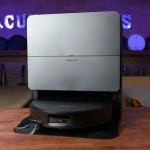
Roborock Saros 20 Sonic
Vacuum Wars Stars 3.81
The Roborock Saros 20 Sonic is a premium robot vacuum with strong vacuuming, mobility, obstacle avoidance, battery efficiency, docking automation, and app features, though its mopping and pet-hair performance were weaker. It achieved 92% in our carpet deep-clean test, the fourth-highest result we have measured, and its DuoDivide main brush and anti-tangle side brush earned a perfect score with 7-inch hair. Its AdaptiLift Chassis 3.0 cleared a 57mm single threshold, tying the Saros 20 for our all-time best result, while its retractable LiDAR lowers its height to 3.13 inches. Reactive AI 3.0 avoided 19 of 24 obstacles, beating the average and base Saros 20, and battery efficiency was above average, producing higher estimated coverage per charge despite average navigation efficiency. The RockDock washes the mop with boiling-temperature water, dries it and the dustbin channel with 131°F air, dispenses detergent, refills warm water, and supports mop removal and independent washing. The app offers detailed controls, SmartPlan, Matter, voice assistance, live video, and pet finding. However, dried-stain removal and combined mopping were well below average, pet-hair pickup reached only 78%, and the dustbin is much smaller than average in our standardized testing. See additional info
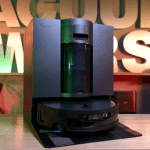
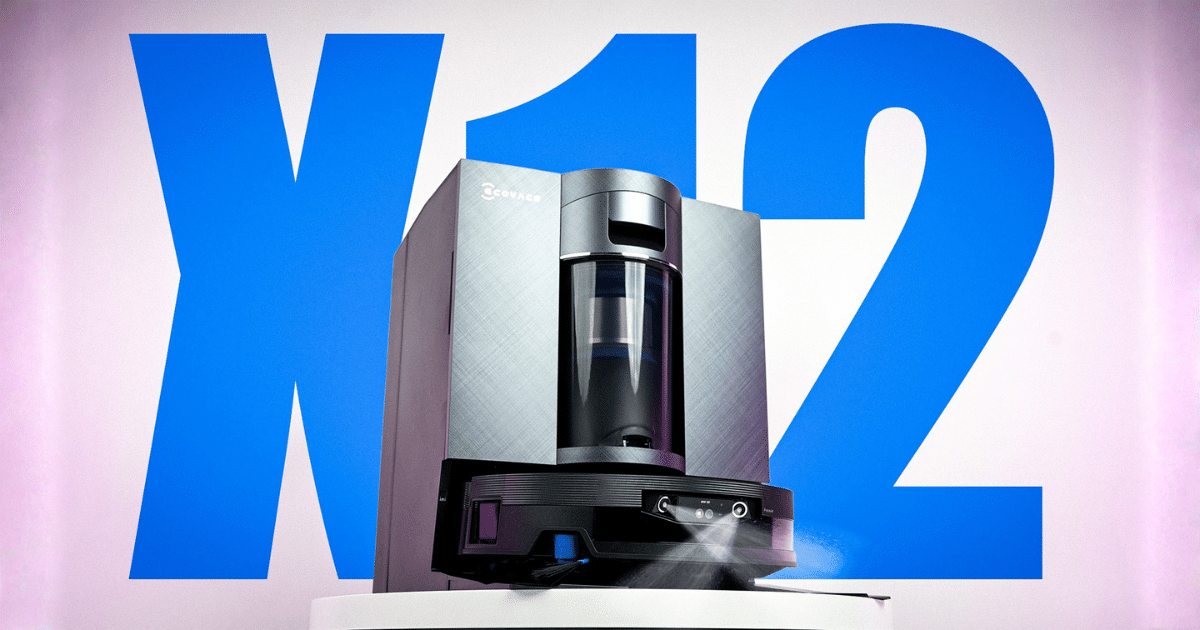
Ecovacs Deebot X12 OmniCyclone
Vacuum Wars Stars 3.78
The Ecovacs Deebot X12 OmniCycloneis a premium flagship robot vacuum and mop with a bagless OmniCyclone dock and a standout FocusJet pre-soak mopping system that sprays stains before cleaning them with its Osmo 3.0 roller mop. The mop spins at 220 RPM, lifts 15 mm over carpets, cleans itself with fresh water, and earned a very high combined mopping score thanks to above-average dried stain removal and low water usage. Vacuuming performance was also excellent, with strong suction, above-average airflow, perfect first-pass debris pickup, 100% pet hair removal, and zero hair tangles in seven-inch hair tests. Obstacle avoidance was another major strength, avoiding 23 of 24 objects, while the robot also crossed a 25 mm threshold after a second attempt. Additional pros include efficient battery life, rapid charging that restores 13% battery in three minutes, advanced app controls, Matter compatibility, live video monitoring, and excellent pet hair handling from the dock. Downsides included only average deep carpet cleaning, below-average crevice pickup, slightly below-average navigation efficiency, a small 250 ml dustbin, and a taller-than-average profile. It currently ranks among the highest-performing robot vacuums tested by Vacuum Wars in recent evaluations. See additional info
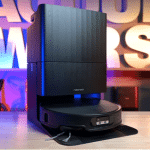
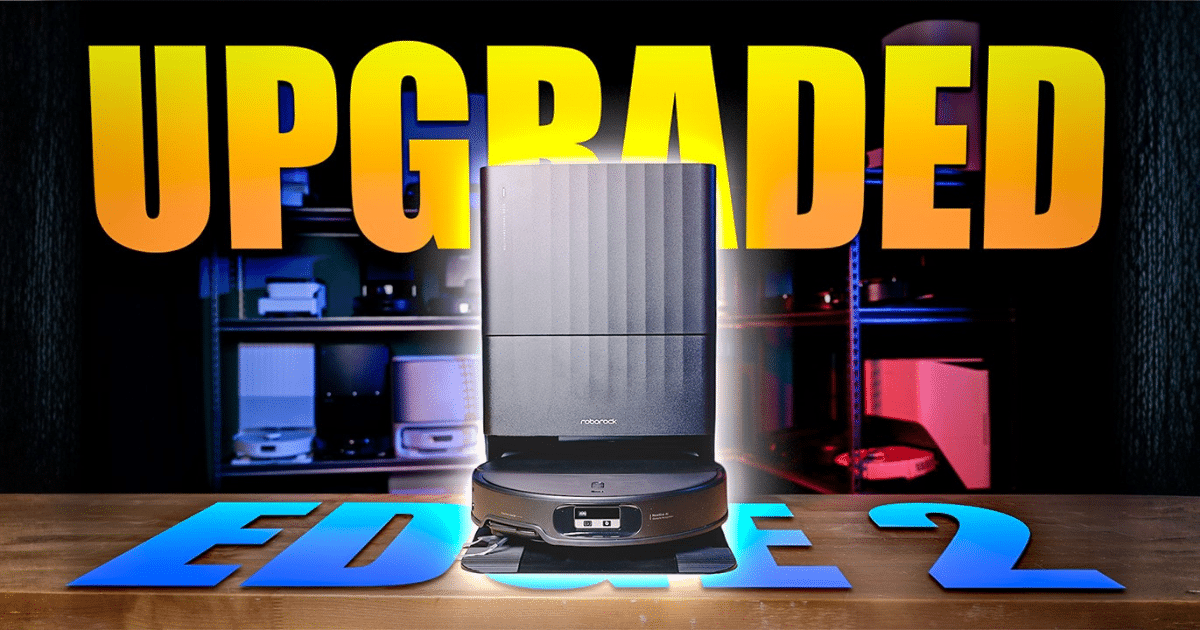
Roborock Qrevo Edge 2
Vacuum Wars Stars 3.77
The Roborock Qrevo Edge 2 is a robot vacuum/mop combo that improves on the original Edge with stronger cleaning, a slimmer 3.14-inch body, upgraded dock, and Roborock’s feature-rich app. In Vacuum Wars testing, it excelled at carpet deep cleaning, hair resistance, pet hair pickup, mopping, and navigation efficiency, making it a strong all-around floor cleaner. Its dual spinning mops, extending edge mop, DuoDivide brush, retractable LiDAR, hot-water mop washing, hot-air drying, automatic dust emptying, feature-rich app, and SmartPlan 3.0 add convenience. Downsides include below-average obstacle avoidance, reduced 20 mm threshold climbing, a smaller onboard dustbin, and slightly lower battery endurance. See additional info
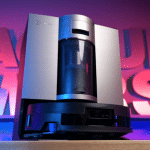
Ecovacs Deebot X11 OmniCyclone
Vacuum Wars Stars 3.74
The Ecovacs Deebot X11 OmniCyclone is a robot vacuum/mop combo featuring 19,500 Pa BLAST suction and OZMO Roller 2.0 edge-to-edge mopping with a high-density nylon roller to tackle tough stains streak-free. It supports TrueEdge 3.0 for deep corner reach and includes a ZeroTangle 3.0 anti-hair-wrap brush system. Its base is a bagless OmniCyclone self-emptying station (PureCyclone 2.0) that washes mop rollers via hot-water soak at about 167 °F, uses dual cleaning solutions, and dries them with hot air. The robot supports PowerBoost charging, restoring ~6% battery in just 3 minutes during mop washing. It navigates with AIVI 3D smart navigation combining LiDAR and AI. Its TruePass Adaptive 4WD climbing system uses mechanical levers to overcome thresholds and rugs (up to ~4 cm). The robot features Triple Lift System to auto-lift mop on carpets and to adjust brushes/rollers automatically, dual solution refill, and voice/app control (Alexa, Google, YIKO voice agent). See additional info
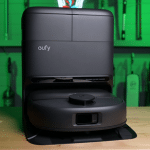
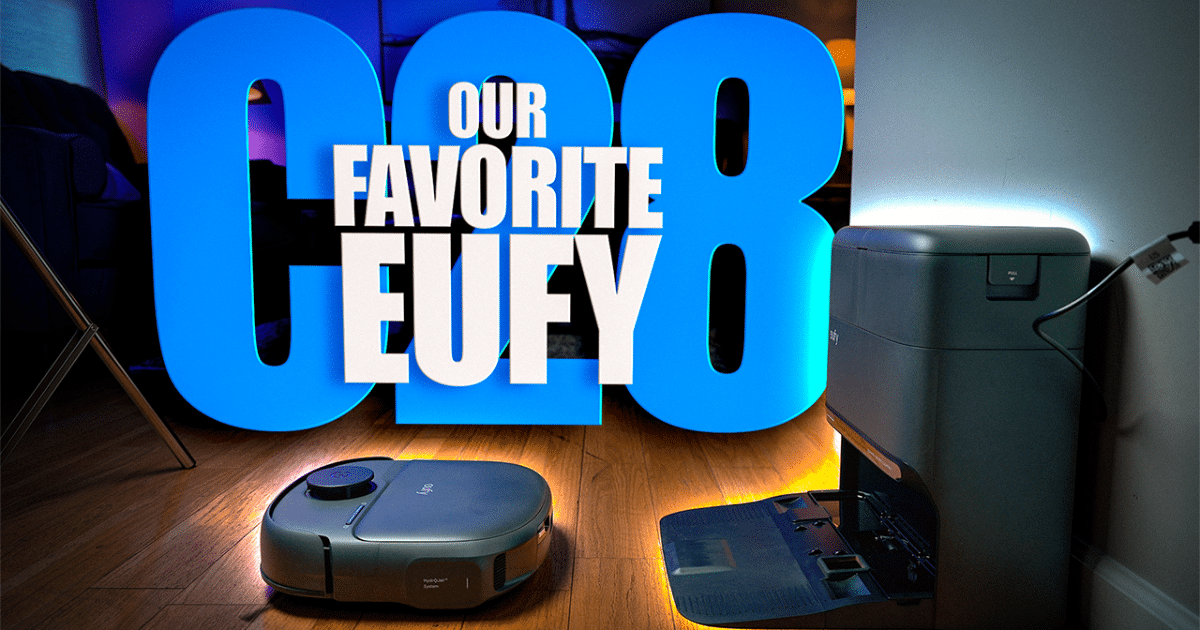
Eufy Omni C28
Vacuum Wars Stars 3.72
The Eufy C28 Omni is a robot vacuum/mop combo that impressed in testing with a strong mix of cleaning performance, automation, and value. Its HydroJet continuous-clean roller mop sprays fresh water onto the roller while collecting dirty water separately, helping it handle wet messes without spreading them around. The mop spins at 270 RPM, applies 9.8N of pressure, lifts 10.8 mm over carpets, achieved an above-average dried-stain score, left only about one-quarter as much water behind as the average robot, and earned a combined mopping score that ranked it among the top 10 mopping systems in the test database. Vacuuming was also a strength, with 15,000Pa suction, an 89% carpet deep-clean score, perfect removal of 2.5-inch pet hair, and a flawless anti-tangle result with 7-inch hair. Additional advantages include an auto-emptying and self-maintaining dock, hot-air mop drying at 50°C (122°F), a feature-rich app with multi-floor mapping and voice assistant support, and above-average navigation efficiency. Drawbacks include below-average obstacle avoidance, successfully avoiding only 15 of 24 test obstacles, a taller-than-average body that may struggle under low furniture, below-average battery efficiency despite slightly above-average estimated coverage per charge, and an app that lacks some advanced automation options found on competitors. See additional info
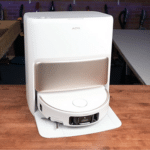
Mova V50 Ultra Complete
Vacuum Wars Stars 3.69
The Mova V50 Ultra Complete is a robot vacuum/mop combo with 24,000 Pa suction, a StepMaster system that climbs obstacles up to 60 mm, and FlexiRise retractable DToF sensor for low‑clearance areas. It uses AI SmartSight with a structured‑light 3D scanner and LED fill light (claimed 200+ obstacle types), and a CleanLift system that lifts the mop 10.5 mm and the DuoBrush 5 mm to separate vacuuming and mopping; side and main brushes also lift during mopping. The base handles hot‑water pad washing (up to 176 °F) and hot‑air drying, with DuoSolution auto‑dispensing of a cleaning solution or pet‑odor solution; automatic mop‑pad removal, and carpet recognition are supported. App, voice, and “Hey, MOVA” on‑device virtual assistant controls are available, plus Apple Watch support. See additional info
What changed in the rankingsChangelog 12.18 · updated as needed
12.18Removed dual brushes as a ranking factor, removed auto-carpet avoidance from the features scoring algorithm, reduced the score for self-cleaning bins from 13 to 5, added coffee mop test scores to the mopping algorithm, reduced score points for regular stain mop test and water penalty, reduced the obstacle avoidance score by 25%, and removed “minutes to map” and “map score” from the navigation algorithm.
12.17Slightly reduced the minimum number of reviews required to count 1-star reviews.
12.16Increased the weight of the mop stain test.
12.15Increased the weight of 1-star review scores and Obstacle Avoidance scores.
12.14Increased the weight of the App score.
12.13We reduced the weight of the mop-switching dock feature score.
12.12Increased review scores & a few miscellaneous demerits for navigation problems and QC issues.
12.11We’ve updated how battery efficiency and navigation efficiency is calculated in our testing. Previously, battery efficiency averages incorporated results from multiple power modes, but after reviewing the data, we determined that including the maximum power run introduced unnecessary variability. As a result, we have removed the maximum power run from the battery efficiency calculation and now base battery efficiency solely on results from our standard “best settings” test run. Navigation efficiency averages incorporated results from multiple navigation runs, including tests performed with and without the mop attached. We have simplified this methodology using only the navigation run performed with the mop attached when that capability is available. For models without a mopping function, navigation efficiency continues to be based on the standard non-mopping navigation run.
12.10Reduced the impact of overall reviews and 1-star reviews.
12.9Reduced the minimum required reviews to 66, further increased the penalty for excessive water usage, & lowered the bonus for a mop-switching station to 10 points (down from 15).
12.8Increase in 1-star reviews for the majority of the vacuums, with few exceptions such as the Ecovacs X5 Pro Omni which had decreased 1-star reviews
12.7Decreased 1-star review impact by 25%, slightly increased overall review impact, & further reduced water penalty.
12.6Increase in 1-star reviews for most of the vacuums, with few exceptions such as the Roborock Qrevo CurvX and Mova V50 Ultra Complete which had decreased 1-star reviews.
12.5Added multi-mop category, further decreased water penalty impact and stain test impact.
12.4Decreased mop stain test score impact & decreased water penalty impact.
12.3Reduced number of minimum reviews to 100, increased weight for Amazon 1-star reviews, lowered the weight for main Amazon review, & capped Amazon review points.
12.2Updated the navigation efficiency score to include more test runs for better clarity & awarded additional points for bagless bins.
12.1Increased the minimum number of reviews needed for 1-star review scores.
Browse by category
Find the right robot for your home
Every list below is drawn from the same test data as this ranking.
By need
Mop CombosRobots that vacuum and mop in one pass, ranked by our 14 stain test.
Without MoppingVacuum only robots that give up nothing on carpet performance.
Obstacle AvoidanceThe robots that cleared the most of our 24 object course.
Pet HairTop pickup scores paired with genuine anti tangle brush rolls.
Hardwood Floors · soonComing as we finish the hard floor and water penalty round.
Large Homes · soonComing as we finish battery and coverage efficiency testing.
By price
Buying guide
How to choose a robot vacuum
Navigation and obstacle avoidance
Obstacle avoidance is the single biggest differentiator for homes with children or pets, and it is the area where marketing claims are least reliable. We score it with 24 objects laid out in a fixed course, from cables and socks to pet waste stand-ins, and results range from a perfect 24 of 24 down to below 10. Navigation quality matters just as much in day to day use: a robot that maps efficiently finishes a floor in a single charge, while a weak navigator covers the same area twice and still misses corners.
LiDAR remains the most dependable mapping system, and the best performers pair it with a camera and dedicated edge sensors. Retractable and low-profile LiDAR turrets now let these robots clear furniture that older models could not, which matters more than it sounds when the goal is a floor cleaned without you moving anything.
Best forhomes with pets, cables, or toys on the floor.Best obstacle avoidance picks
Suction power and cleaning modes
Manufacturers advertise suction in Pascals (Pa), but higher numbers don’t always translate to better cleaning. What matters more is how the robot applies that suction across different surfaces and debris types. Most modern robots offer multiple cleaning modes — quiet, standard, turbo, and max — and the best ones automatically adjust based on the surface they detect. For carpet-heavy homes, prioritize robots that score well in our carpet deep-clean test. For hard floors, look at our debris pickup and crevice scores instead.
Mopping performance
Mopping technology has improved significantly, but performance varies widely depending on the mop system type. For a full comparison of fixed pads, spinning pads, and roller systems — along with our 14-stain test results and Water Penalty Scores — see Do You Need a Robot Vacuum That Mops? below.
Self emptying and dock features
Dock capabilities range from basic auto-empty to full-service stations with mop washing, hot-air drying, and automatic detergent dispensing. The right dock depends on how hands-off you want your cleaning routine to be. See Are Self-Emptying Docks Worth It? below for a breakdown of what each tier offers.
Smart home and app control
Nearly every robot vacuum now connects to a companion app, but the quality of that app experience varies enormously. The best apps offer reliable room-by-room mapping with the ability to set no-go zones, schedule room-specific cleaning routines, and adjust suction and water levels per room. Look for robots that support multi-floor mapping if you plan to carry the robot between levels. Voice assistant integration (Alexa, Google Home, Siri) is standard across most brands, but the depth of voice control differs — some only support start/stop commands, while others let you trigger specific room cleanings by voice.
Battery life and coverage
Battery capacity matters most in larger homes. Look for models with recharge-and-resume — the robot returns to the dock when battery is low, recharges, then picks up exactly where it left off. Our testing measures coverage efficiency in square meters per minute, which accounts for both battery life and navigation intelligence. A robot that covers your home in one session with battery to spare is always preferable to one that needs multiple recharge cycles to finish.
Best for pet hair
Pet owners face a double challenge: the robot needs to pick up hair efficiently and resist tangling around the brush roll and side brushes. These two performance metrics don’t always go hand-in-hand. Our 2.5-inch flattened pet hair pickup test reveals a wide range — the average robot picks up about 77% of pet hair after two cleaning cycles, while our top performers reach 94% or higher. That 17-point gap translates to visible hair left behind on every single run.
We also run a dedicated 7-inch hair tangle test on hard floors, measuring exactly how much hair wraps around the main brush roller and side brush. Models with anti-tangle brush designs — rubber dual-extractors, floating roller systems, or active hair-removal mechanisms — consistently score best here. The top-performing robots achieve 0% tangles, which means zero brush maintenance between runs. Robots without these features can require cleaning after every session, which defeats the purpose of hands-free automation.
For homes with heavy shedding, frequency matters just as much as raw pickup performance. We recommend taking advantage of advanced scheduling features to run the robot more often, which prevents large accumulations of hair from building up between sessions. Smaller, more frequent cleaning cycles reduce the risk of clogs and brush overload while keeping pet hair consistently under control.
Best forHouseholds with dogs, cats, or other shedding pets — especially those with medium-to-long fur. Best Robot Vacuum for Pet Hair
What a budget robot gets you
Budget doesn’t have to mean bad. In our testing, we’ve found models under $300 that deliver surprisingly strong core cleaning performance — some matching mid-range robots on the metrics that matter most. The trade-offs at this price point are typically in dock features (no auto-empty, no mop maintenance), obstacle avoidance sophistication, and navigation intelligence. You’ll generally get a robot that cleans well but needs more babysitting.
That said, even the budget tier has improved dramatically. Our current budget pick scored 90% in our carpet deep-clean test versus the 77% average across all tested robots — proof that a lower price tag doesn’t automatically mean weaker cleaning. The key is knowing which features actually get cut and whether those trade-offs matter for your specific home. If you have a relatively simple floor plan without a lot of furniture obstacles, a budget robot can genuinely compete.
We’re also seeing advanced navigation features move down into the budget tier. LiDAR-based mapping and structured smart navigation — technologies that were firmly premium just a few years ago — are now appearing in models under $300. That shift significantly improves coverage patterns and efficiency at lower price points, narrowing the real-world performance gap between budget and mid-range robots.
Best forFirst-time robot vacuum buyers, smaller homes, or anyone who wants solid cleaning performance without premium pricing. Best Budget Robot Vacuum (Under $300)
Mid range and premium tiers
The $300–$1,000 range is where robot vacuum value peaks in 2026. This tier now includes models with LiDAR navigation, full-featured docks with self-emptying and mop washing, competitive mopping performance, and advanced obstacle avoidance — features that were exclusive to $1,500+ robots just two years ago. Price compression has made this the most competitive segment of the market.
In our testing, several mid-range models punch well above their price class. The Roborock Qrevo CurvX, for example, achieved a 92% carpet deep-clean score and 0% hair tangles — performance that ranks 3rd overall in our database regardless of price. The mid-range is also where you’ll encounter the most aggressive sales pricing, with frequent promotions pushing flagship-adjacent models well below their original MSRPs. For most households, this is the tier we recommend exploring first.
One nuance in the mid-range tier is that performance consistency tends to be more stable across floor types. In our evaluations, many models in this segment show smaller drop-offs between hard-floor pickup, carpet deep cleaning, and hair management. You’re also more likely to get mature software ecosystems at this level — refined mapping, reliable room segmentation, and granular cleaning controls — often the same app experience shared with a brand’s most premium offerings in many instances.
Best forMost households — this is the price range where performance, features, and value converge. Best $300 to $600Best $600 to $1,000
At the $1,000+ tier, you’re paying for the latest technology and the widest feature sets. This is where you’ll find robotic arms that pick up objects off the floor, multi-pad mop switching systems that use fresh pads for each room, ProLeap legs for climbing thresholds up to 80mm, retractable dToF sensors, and the most sophisticated AI-driven navigation. These are the robots that aim to work completely unsupervised in any home environment.
Our test data shows real but diminishing performance gains at this level. Premium models tend to score 2–5% higher on carpet deep-clean than the best mid-range options, and they’re more likely to achieve perfect obstacle avoidance scores. The biggest differentiators are in edge-case handling — threshold climbing, tight-space navigation, and fully automated mop maintenance that eliminates all daily interaction with the robot. Whether that incremental improvement justifies the price depends on your home’s complexity and your tolerance for any manual interaction.
One additional reality at the premium tier is that you’re often paying for first-generation implementations of new hardware, and firmware updates frequently refine these systems months after launch. In many cases, early performance limitations are addressed through software optimization rather than physical redesign. Premium models also tend to receive longer software support cycles and more frequent feature updates, which can extend their useful lifespan compared to lower tiers.
Best forTech enthusiasts, large multi-level homes, or anyone who wants the absolute best performance and latest features regardless of price. Best $1,000 to $1,300Best $1,300 to $1,600
For our complete methodology and the specific tools, surfaces, and scoring weights behind every number on this page, visit our How Vacuum Wars Tests Robot Vacuums guide. And to compare any two or three robots head-to-head using our full test data, use our Robot Vacuum Comparison Tool.
Why trust us
Every score on this page comes from our own lab
Vacuum Wars buys every robot vacuum at full retail price and accepts no free samples, loaner units, paid placements, or sponsored reviews. Brands see our conclusions only when readers do. Every unit runs the same test suite in the same room with the same debris, dust, stains and obstacle course, which is what makes the scores on this page comparable to one another rather than to a spec sheet.
Independent and reader fundedOne test suite for every robotTransparent methodsData kept current
FAQ
Frequently asked questions
What is the best robot vacuum right now?
Our Best Overall pick carries the badge at the top of this page, and the same robot holds rank #1 in the leaderboard, where its entry sets out the full reasoning. The ranking is continuous, so the top spot changes whenever our testing says it should.
How do you decide the rankings?
Every robot goes through the same lab suite: airflow and suction, carpet deep clean, hard floor and crevice pickup, pet hair and tangle tests, navigation timing, obstacle avoidance, and mopping where equipped. Scores are calculated against the average of all 205+ robots tested.
How often is this page updated?
Prices and availability refresh continuously from the retailer feed, and the ranking is re-scored whenever we retest or add a robot. The changelog above records every scoring change, week by week.
Do you buy the robot vacuums you test?
Yes. We purchase every unit at retail and accept no free samples, loaners or sponsorships. Brands see our conclusions only after they are published.
How much should I spend on a robot vacuum?
Strong performers now start under $300, the value sweet spot for most homes runs from $300 to $1,000, and spending past that buys edge case automation such as threshold climbing and fully hands off dock maintenance. The buying guide breaks down each tier.