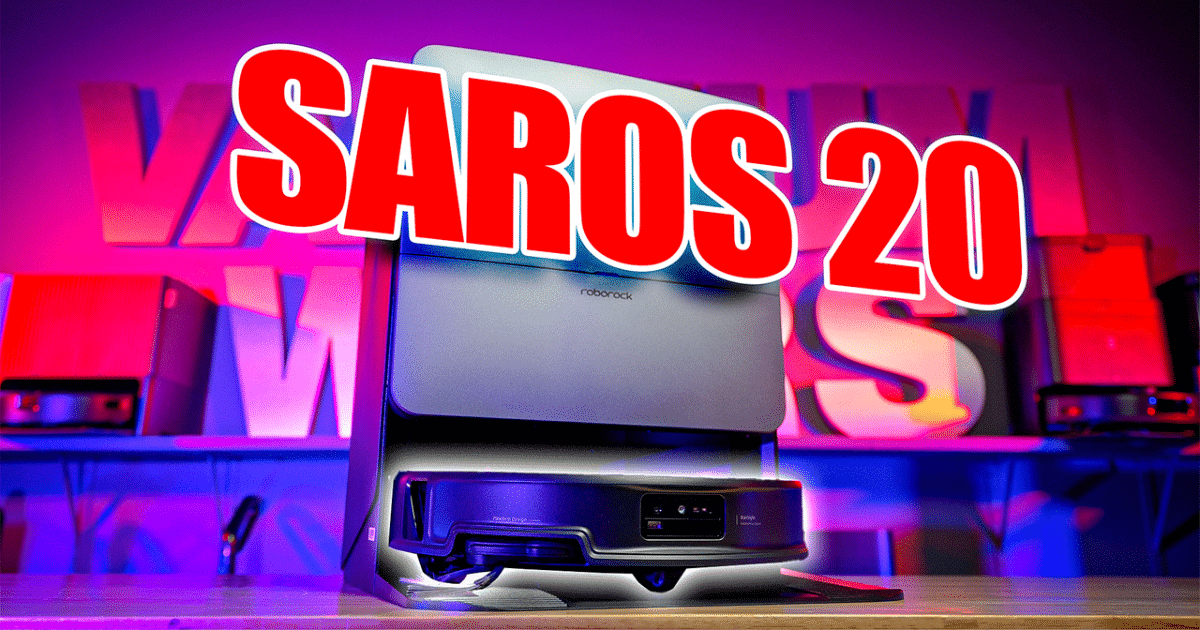
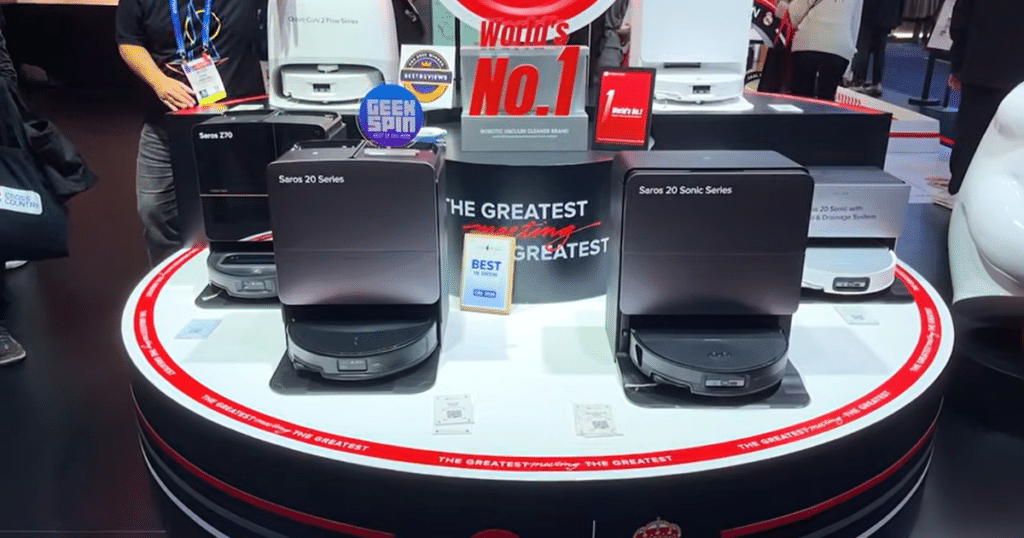
We got a glimpse of Roborock’s new Saros 20 at CES 2026, and we’ve looked forward to testing out this latest offering from the high-end Saros robot vacuum line. We bought one and put it through several tests over the last few weeks to see what this feature-rich robot vacuum can do. In this Roborock Saros 20 review, we’ll discuss the things we really liked about this model and what we didn’t like as much. At the end, we’ll reveal whether it was able to land a spot on our top 20 robot vacuum list.
If you’re comparing high-end robot vacuum and mop combos, this is the type of model that tends to compete near the top of the category.
Roborock Saros 20
Vacuum Wars Stars 3.81
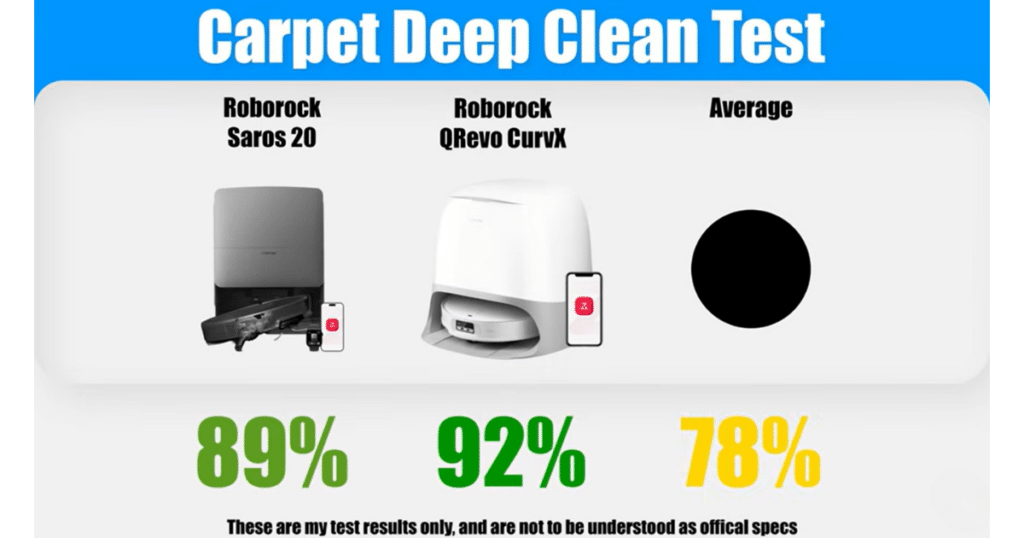
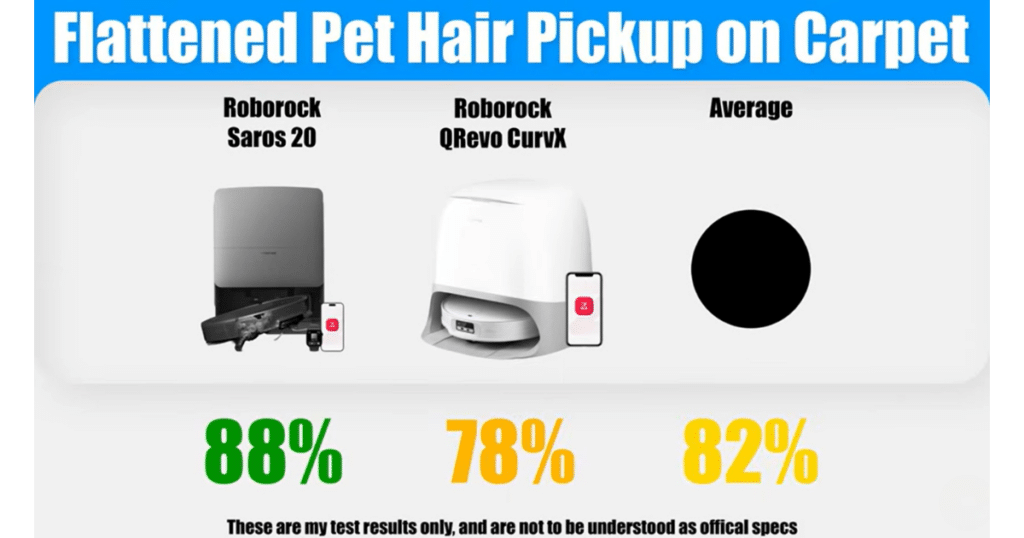
The Roborock Saros 20 is a premium flagship robot vacuum with standout cleaning performance, advanced automation features, and impressive obstacle handling. Its dual spinning mop pads operate at 200 RPM with adaptive pressure up to 13N, delivering above-average stain removal while using less water than average, which helped reduce streaking during testing. Vacuuming performance was also strong, with its 36,000Pa suction system clearing debris effectively on hard floors and carpets. In Vacuum Wars testing, it removed 89% of embedded sand in carpet deep-clean tests and picked up 88% of flattened pet hair, while the DuoDivide anti-tangle brush earned a perfect score in the 7-inch hair tangle test. Obstacle avoidance was above average, successfully avoiding 17 of 24 objects, and its Adaptive Lift 3.0 system crossed a record-setting 57mm threshold while maintaining a slim 3.13-inch profile. Additional highlights include boiling-water mop washing, hot-air drying, detergent dispensing, fast charging, automatic mop removal, Matter support, and a feature-rich app. Downsides include average navigation efficiency, slightly below-average battery life, average airflow and suction bench scores, and a relatively small dustbin that may fill quickly in pet-heavy homes. See additional info
Roborock Saros 20 Overview and Key Features
Starting with the basics, the Saros 20 is the next generation Saros robot after last year’s Saros 10 and the Saros 10R models. The Saros line is Roborock’s most comprehensive suite of features, with all the bells and whistles you would hope for with a top-of-the-line robot vacuum and mop combo. As a premium robot vacuum in 2026, it aims to combine advanced automation, high suction power, and improved mopping into a single platform.
For shoppers looking at the upper tier of robot vacuums, this is the segment where you typically see the most innovation—and also the biggest differences between models.
Roborock Saros 20 Mopping Performance
Moving on to the pros, there is a lot that this model got right. The first pro, which is a standout feature and a big step forward for Roborock in our tests, is the mopping performance. The Saros 20 uses a dual mop pad design that spins at 200 RPM and a new adaptive mopping pressure at up to 13 newtons depending on the mess.
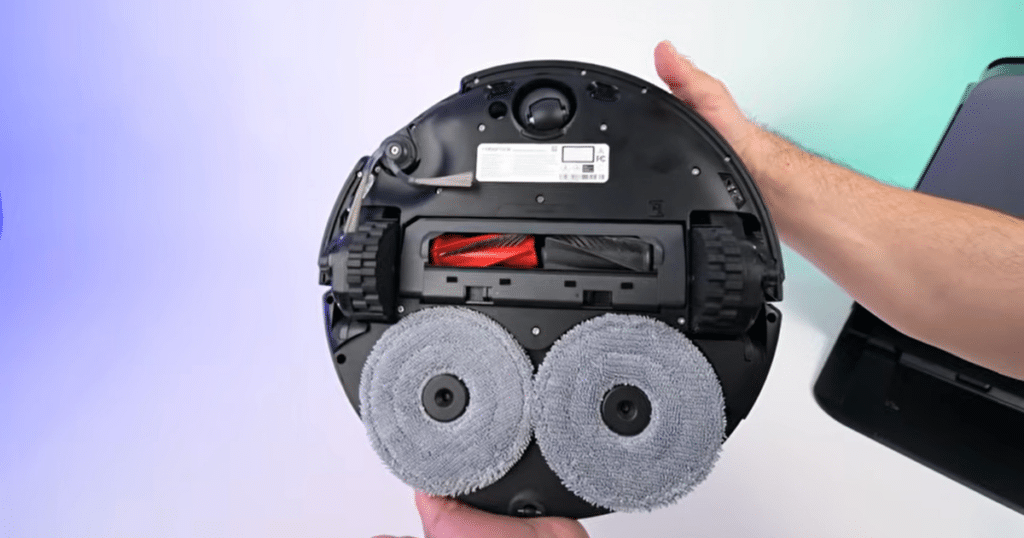
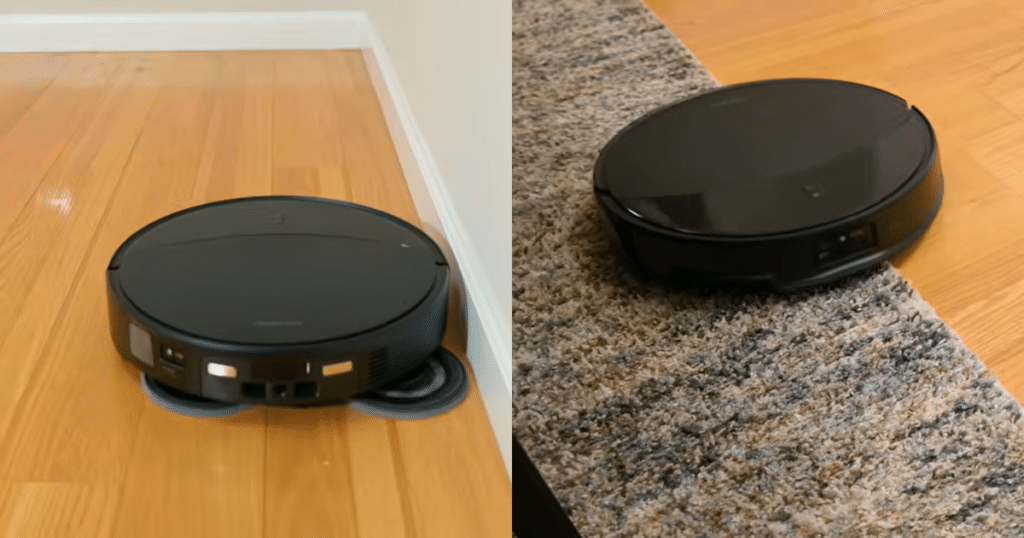
Like the Saros 10R, the robot can sense when the floor is wet, and it can automatically switch to mop-only mode, so it won’t vacuum up the moisture. The mops can lift 20 millimeters over carpets for mixed floor runs, and one pad extends to the side for better coverage along walls and furniture.
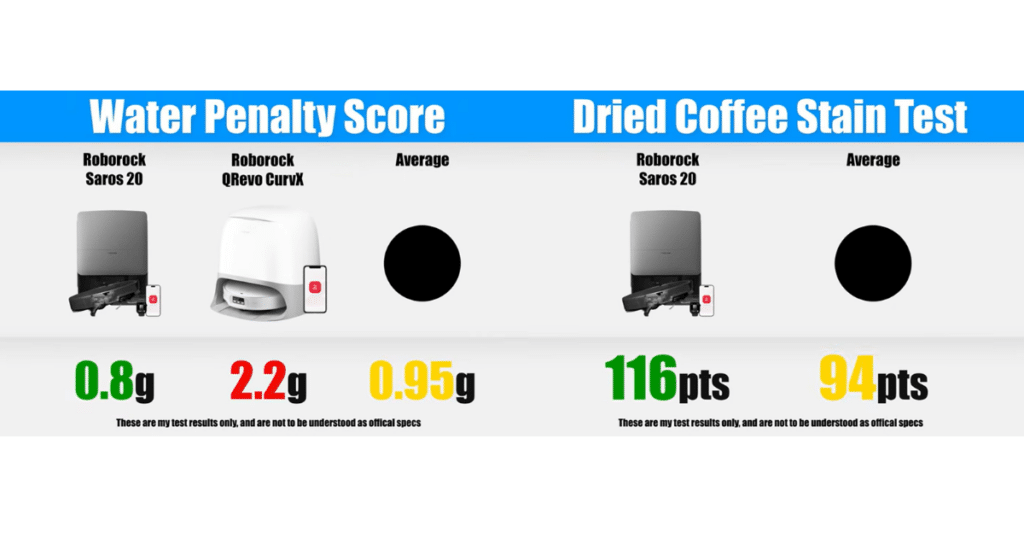
We’ve been a little critical of some of Roborock’s mopping lately, but the Saros 20 did great in our stain removal test, scoring 116 points, well above the testing average of 94. It also achieved this without using huge amounts of water. In fact, its water penalty was below average at only 0.8 grams compared to 0.95 grams, which can help prevent the appearance of streaks on the floor after mopping.
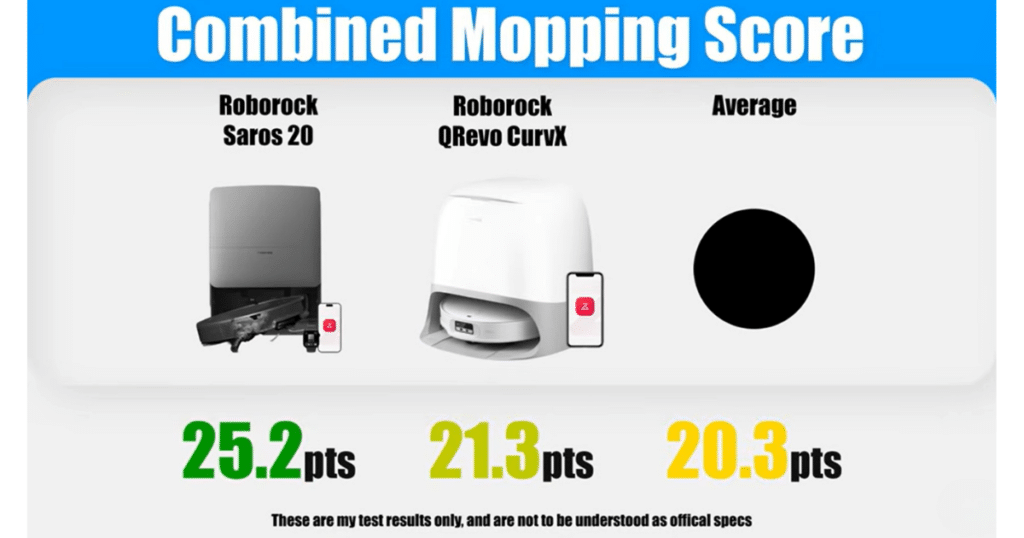
Altogether, this resulted in a well above average combined mopping score, which we were pleased to see.
If mopping performance is a priority for you, this is one of the areas where the Saros 20 clearly distinguishes itself.
See also: How Vacuum Wars Tests Robot Vacuum Mops
Roborock Saros 20 Vacuuming Performance
Another big pro was in the robot’s vacuuming performance. The Saros 20 has a very high official suction rating of 36,000 pascals, and the side brush extends to reach into corners. It did a great job at its main function as a vacuum, clearing debris of many different sizes from the surface of both hard floors and carpet.
In addition to strong surface pickup, the vacuum did well in our carpet deep clean test, where we embed sand into a medium pile carpet and weigh the dust bin before and after cleaning to measure how much the robot removes. The Saros 20 removed 89% of the sand, which is well above the average of 78%.
It also performed well in our flattened pet hair test, where we press 2.5-inch hair into carpet fibers to evaluate pickup. In this test, the Saros 20 removed 88% of the hair, again scoring above average, which is 82%.
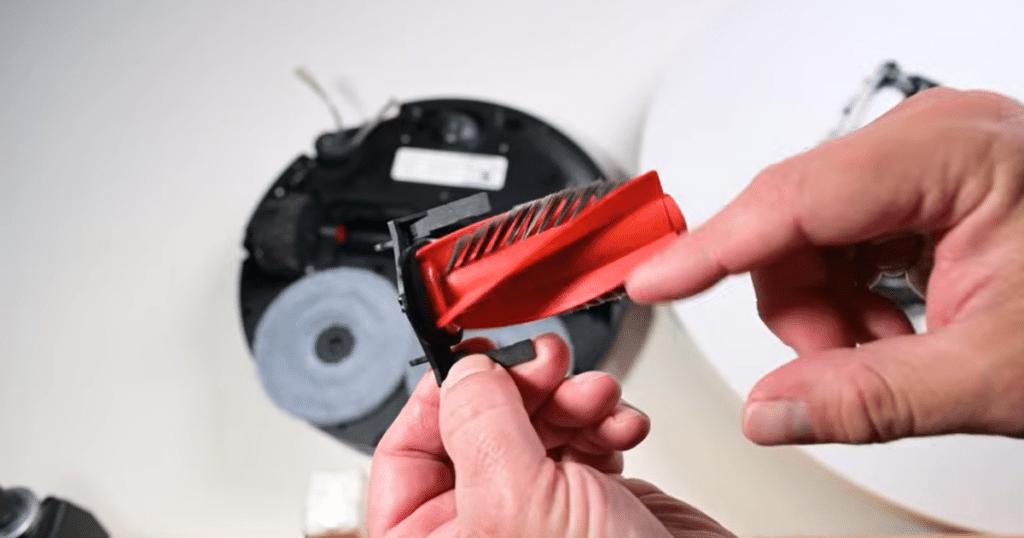
This model uses the Roborock DuoDivide anti-tangle main brush, which features a gap in the center to channel hair so that it doesn’t wrap around the brush. This design has reliably earned perfect scores in our testing, and it did so again here in our 7-inch hair tangle test, with no hairs getting wrapped around the brush compared to the average of 26%.
Between the mopping scores and the vacuuming performance, this was an all-around strong floor cleaner. For homes with pets or mixed flooring, this combination of pickup and anti-tangle performance is especially relevant.
How Vacuum Wars Tests Robot Vacuums: Step into the world of Vacuum Wars, where real-world tests, straight-forward reviews, and no sponsored products redefine robot vacuum evaluations.
Obstacle Avoidance and Smart Navigation
Another pro was the obstacle avoidance. The Saros 20 uses Roborock’s StarSight Vision Recognition System, which combines an RGB camera, 3D sensors, and AI to recognize up to 300 types of objects. It is rated to detect items about 2 centimeters in width and height, which is less than an inch.
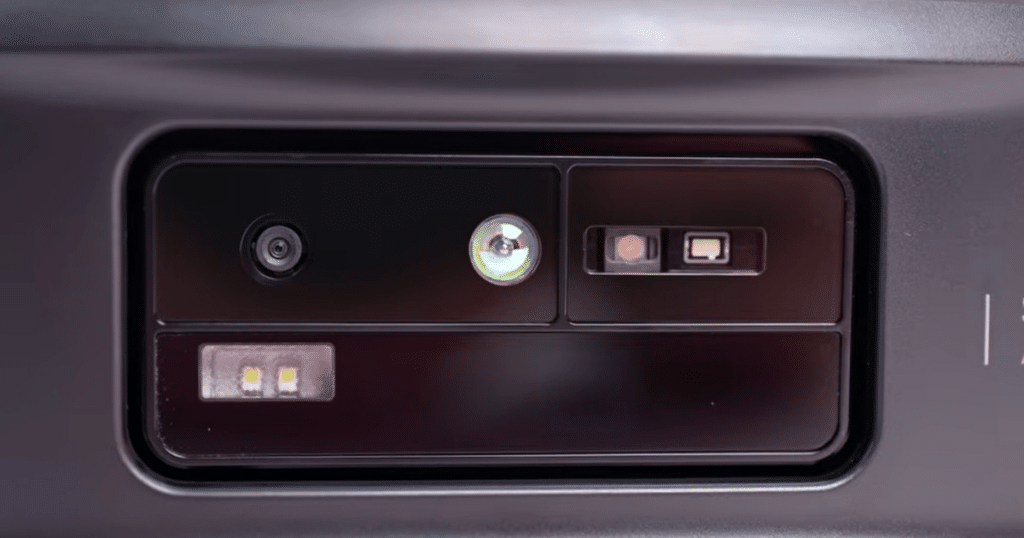
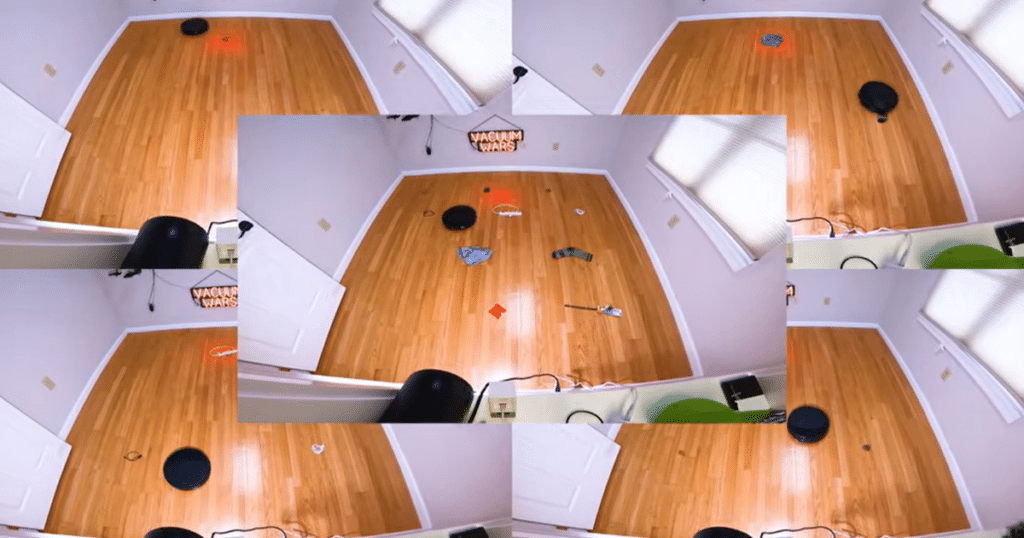
In our obstacle avoidance tests, the Saros 20 scored above average by successfully avoiding 17 out of 24 possible obstacles, a little above the average of 16/24. For many users, obstacle avoidance is one of the most important real-world usability features, especially in homes with cords, toys, or pets.
Threshold Climbing and Carpet Handling
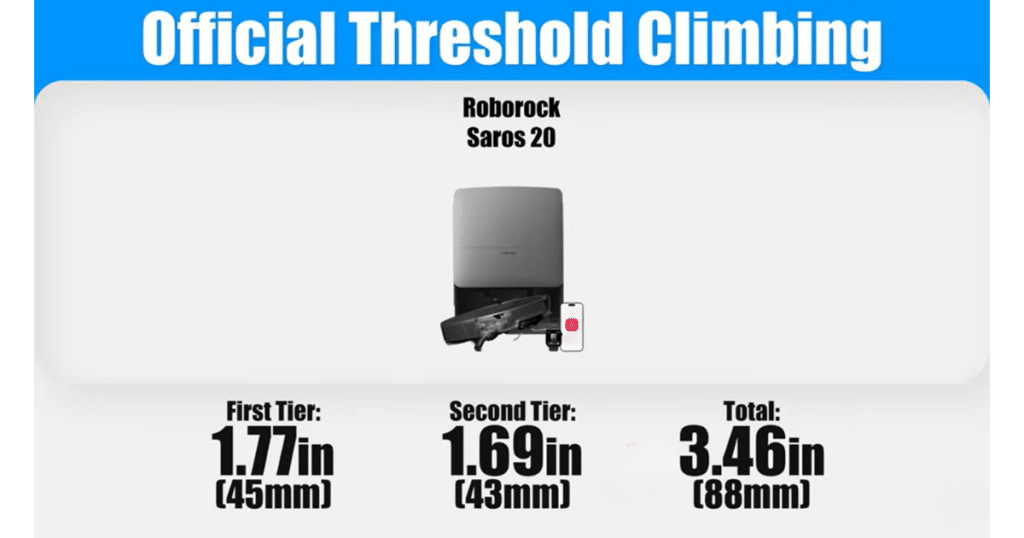
Official Threshold Climbing
Its threshold climbing was another big highlight. Roborock advertises that their new chassis lifting technology, Adaptive Lift 3.0, can climb tiered thresholds of up to 88 millimeters. The first tier is supposed to be 1.77 inches or less, or about 45 millimeters, and the second tier should be 1.69 inches or less, or about 43 millimeters.
Vacuum Wars Threshold Testing Results
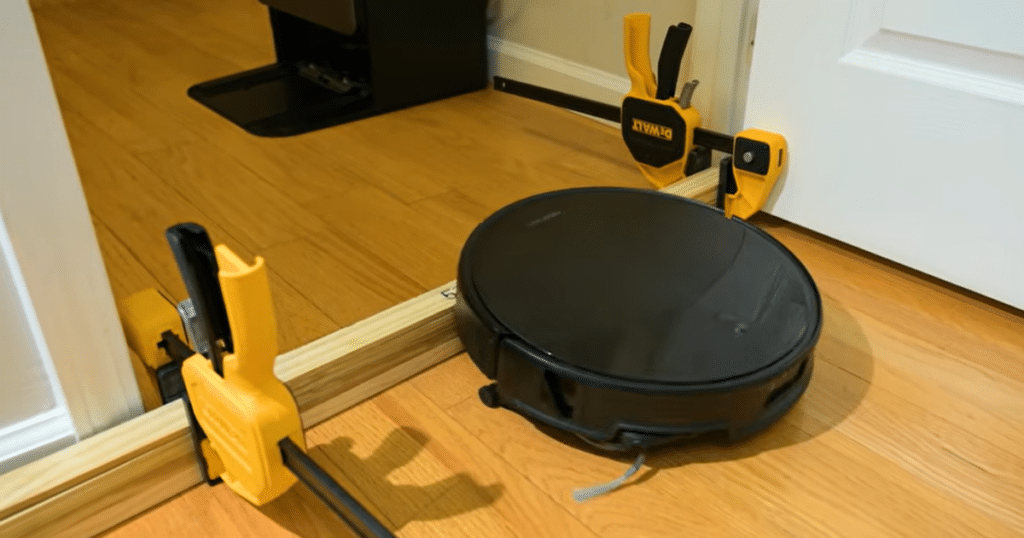
We test for single-step thresholds, and the Saros 20 shattered our previous record, which had been shared by the MOVA Z60 and the Dreame X60. In our tests, after some repositioning, the Saros 20 was able to cross a barrier measuring 57 millimeters, or 2.24 inches. That is significantly higher than what Roborock itself recommends. While we can’t promise it will consistently climb that height, the robot should have no problem handling the threshold heights that Roborock officially claims.
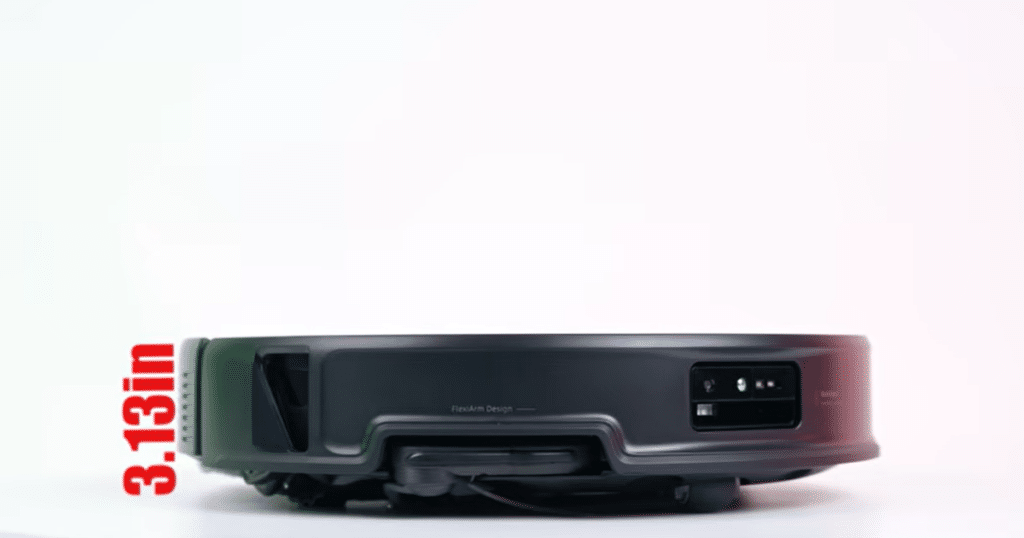
The adaptive lift is also designed to raise the robot to handle higher pile carpets up to 1.18 inches, or 30 millimeters thick. Impressively, Roborock managed to achieve these climbing capabilities while maintaining the Saros line’s low profile, which is 3.13 inches or about 79.5 millimeters.
If your home has multiple floor transitions or thicker rugs, this is a feature set worth paying attention to.
Dock Features and Automation (RockDock)
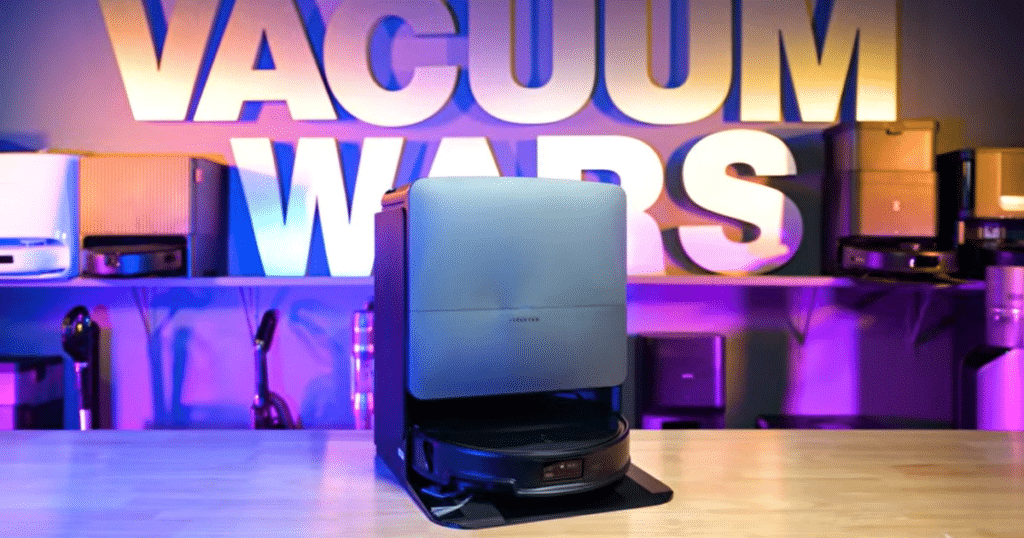
The base station is another big pro, offering a wide range of features and automations for hands-off maintenance. Roborock calls this the latest generation of the RockDock, and one of the biggest upgrades is the water temperature for mop washing, which is increased to 212°F.
This boiling water feature is becoming more common in high-end robot vacuums, and the high heat helps clean the mop pads more thoroughly and reduce grime buildup. The dock also dries the mop pads with hot air at 131°F, or 55°C, and automatically empties the dust bin into a disposable bag.
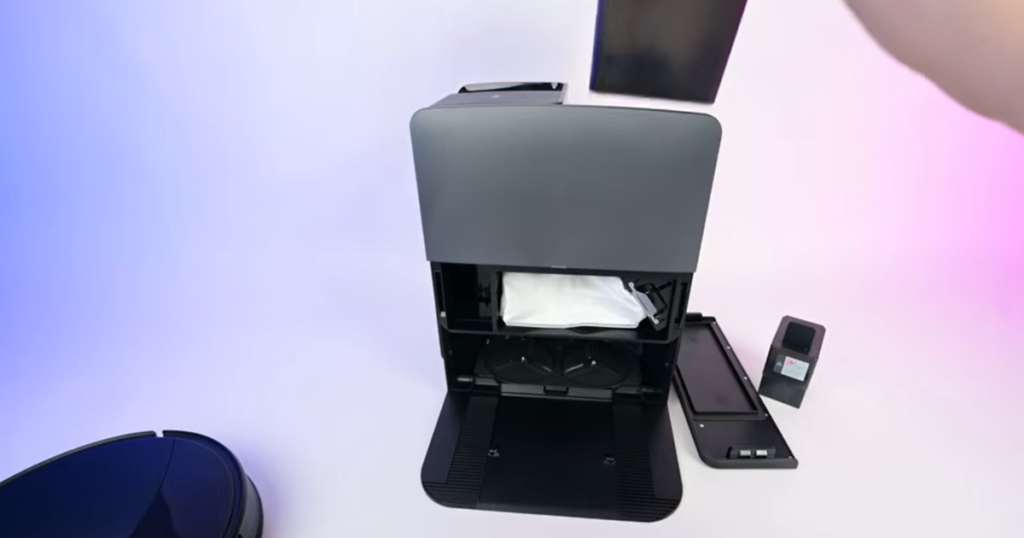
Additional features include fast charging, detergent dispensing, and automatic mop removal for vacuum-only cleaning. Intelligent dirt detection can trigger a second mop wash and an additional mopping pass, and the dock refills the robot’s water tank with warm water to improve cleaning efficiency.
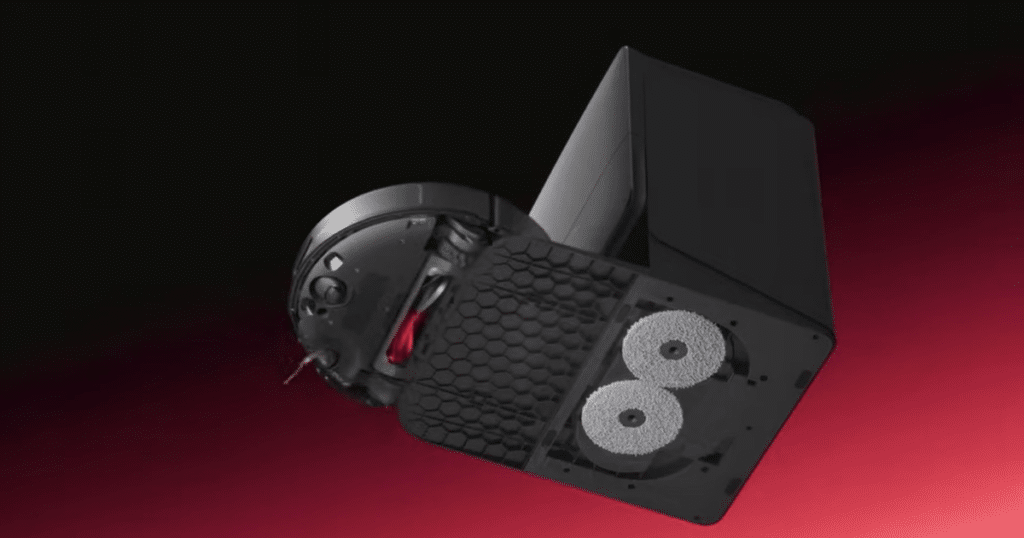
For buyers prioritizing convenience and automation, this type of dock system is often a deciding factor.
App Features and Smart Home Integration
Roborock’s app is another strong point, offering some of the most precise and detailed controls in the industry. In addition to standard features like room customization, no-mop zones, no-go zones, and adjustable water and suction settings, the app allows for more advanced preferences, such as mopping along the direction of the floor.
The app also supports remote viewing and video calling through the onboard camera, allowing you to check on your home while you’re away. The Saros 20 is compatible with Matter and can integrate with third-party voice assistants, and it includes an onboard assistant for voice activation.
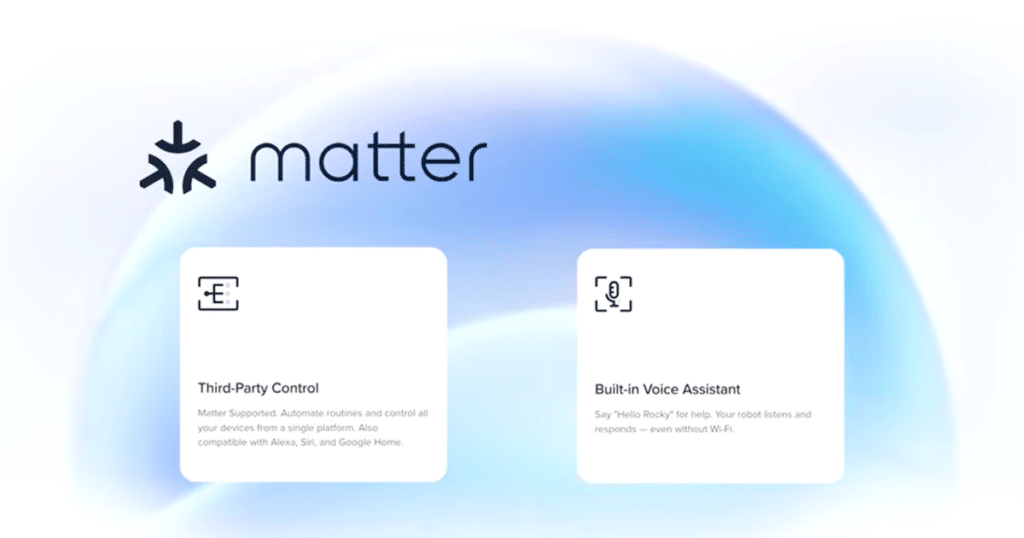
Roborock has also introduced the newest generation of their AI-driven SmartPlan, which adds an automatic deep cleaning function for areas that haven’t been cleaned in a while.
If smart home integration is part of your setup, this is one of the more fully featured ecosystems currently available.
Top 20 Robot Vacuums
Explore Vacuum Wars’ always up-to-date rankings of the best robot vacuums, based on independent, hands-on testing. We purchase every unit ourselves and have evaluated more than 150 models, giving us a deep benchmark for cleaning performance, navigation, battery life, and advanced features like obstacle avoidance and mopping.
Battery Life
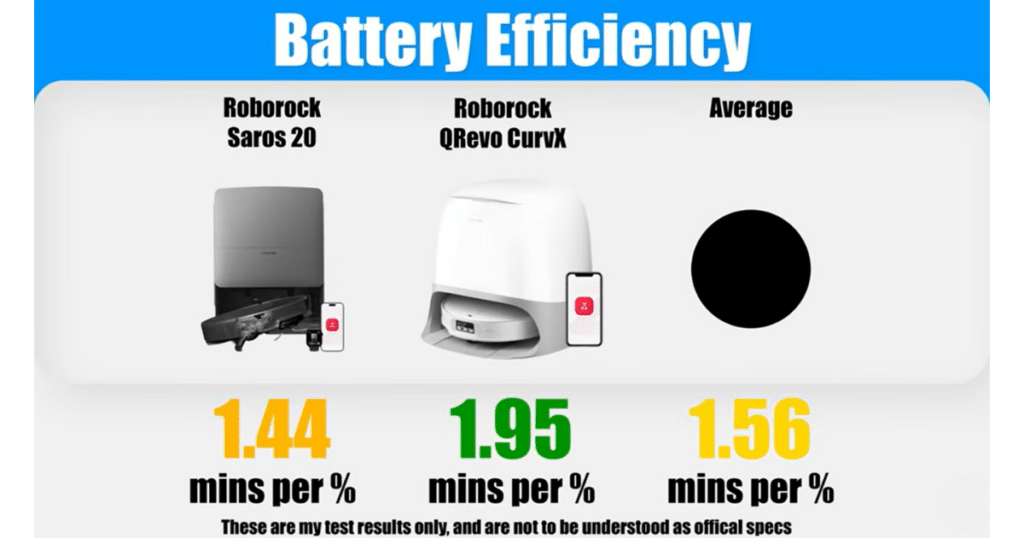
Battery efficiency on the Saros 20 was close to average at 1.44 minutes per 1% in our testing, though slightly below the category norm of 1.56 minutes.
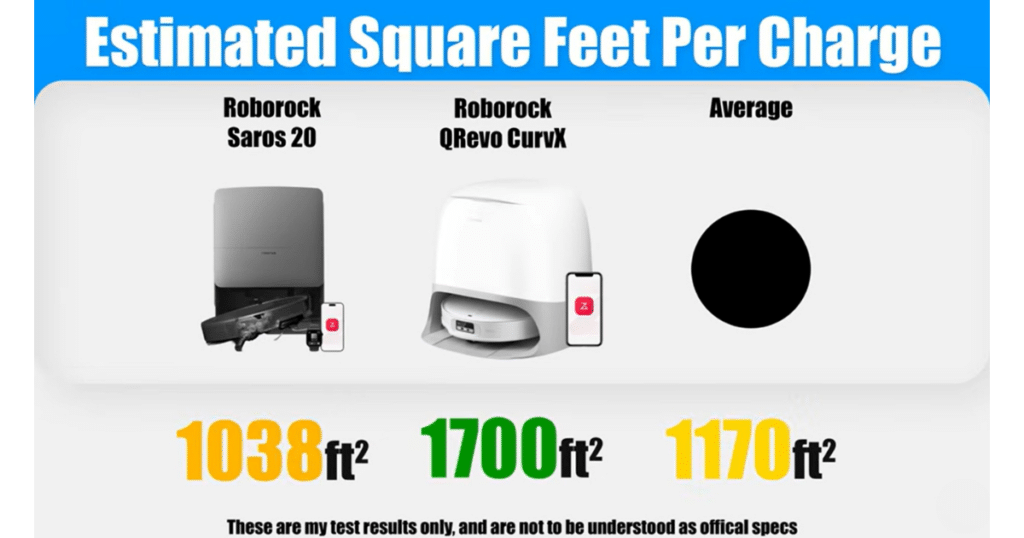
As a result, we estimate its square-footage coverage per charge is 1,038, which is a bit below average (1,170). In practical use, this is unlikely to create major issues for most homes thanks to the fast charging capabilities of the RockDock. Larger homes or more demanding cleaning schedules may notice the limitation more than average-sized floor plans.
How Vacuum Wars Tests Robot Vacuums: Step into the world of Vacuum Wars, where real-world tests, straight-forward reviews, and no sponsored products redefine robot vacuum evaluations.
Navigation Efficiency
The Saros 20 uses Roborock’s StarSight 2.0 3D time-of-flight navigation system, paired with a front-facing camera and additional sensors, including a side-mounted sensor for close-range obstacle detection.
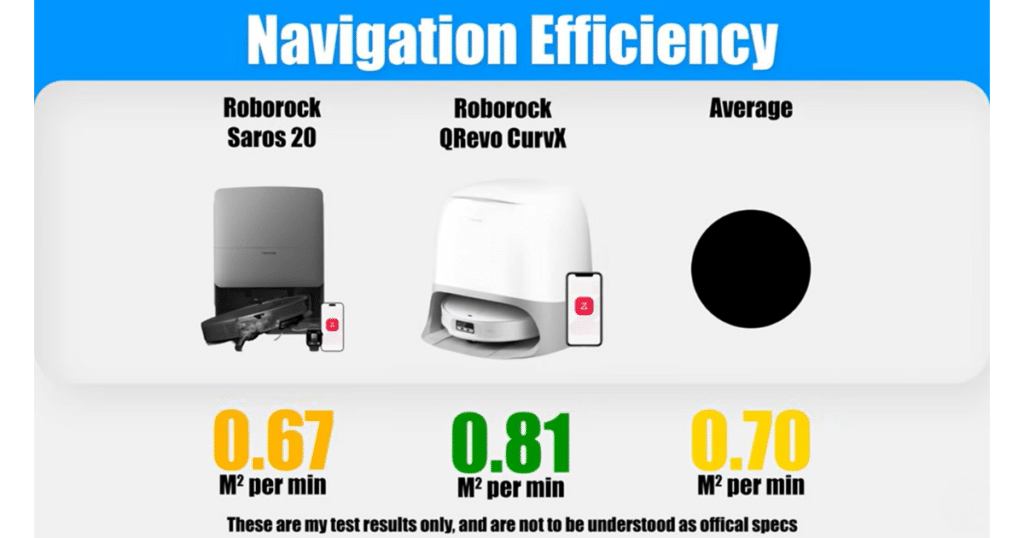
This solid-state internal LiDAR setup eliminates the need for a top-mounted turret, allowing the robot to maintain its slim profile while still building a detailed 3D map of its surroundings. In our testing, navigation efficiency landed right around average. While not a standout strength, overall navigation performance was acceptable and reliable in day-to-day use.
Other Limitations
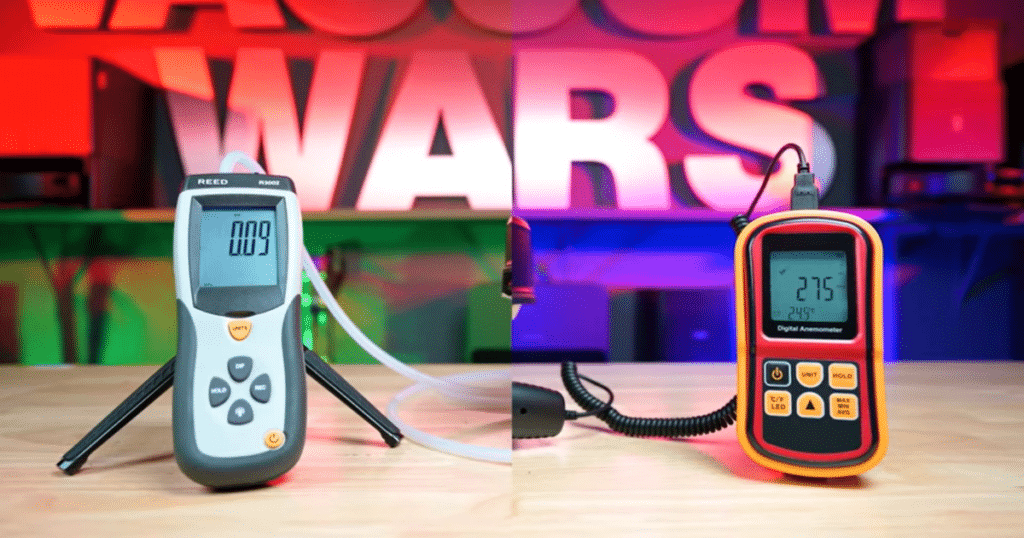
Airflow and suction benchmark testing were another area where the Saros 20 delivered mostly average results. Airflow performance was close to average (15 CFM compared to the average of 17 CFM), while suction measured somewhat below average in our bench tests (.41 kPa compared to the average of .99 kPa) . Despite this, real-world debris pickup performance did not appear to suffer in a noticeable way.
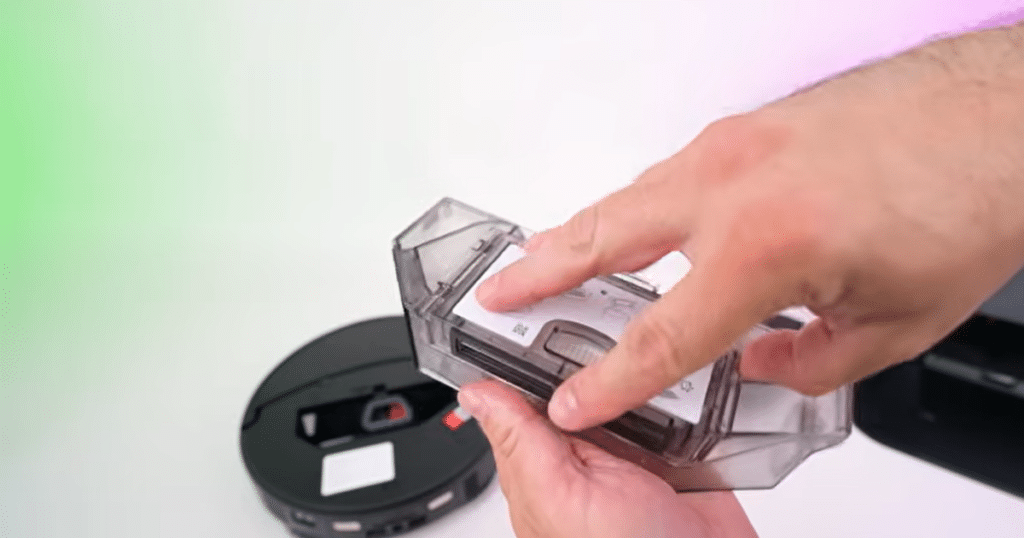
The dust bin is also on the smaller side at only 260 mL compared to the average at 377 mL. Homes with heavy pet hair or larger debris loads may occasionally run into issues if the bin fills before the robot returns to the dock for auto-emptying. This can largely be mitigated through app settings and cleaning frequency adjustments, but it is still worth keeping in mind for high-debris households.
Final Verdict and Ranking
The Roborock Saros 20 has not been on the market for very long, and since we incorporate user reviews into our rankings, its position could shift over time as more data becomes available. That said, as of this review, the Saros 20 has earned a spot high on our top 20 robot vacuum list.
With strong mopping performance, capable vacuuming, advanced obstacle avoidance, and a feature-rich dock, it delivers the kind of high-end automation expected at this price tier. If you’re currently comparing the best robot vacuums in 2026, this is one of the models that should be on your shortlist.
We purchase the products we test, and our reviews are never sponsored, so you can be confident that you’re getting our real opinions.
Roborock Saros 20
Compare Roborock Robot Vacuums
Roborock Robot Vacuum Buyer’s Guide 2026
If you’re overwhelmed by Roborock’s sprawling lineup, you’re not alone. This guide distills the key differences among each series—Q, S, Qrevo, and Saros—so you can decide which features are worth paying extra for and which you can skip. From budget-friendly models to premium robots with cutting-edge capabilities, we’ll help you focus on the must-know points and find a Roborock that fits both your home and your wallet. See the Guide