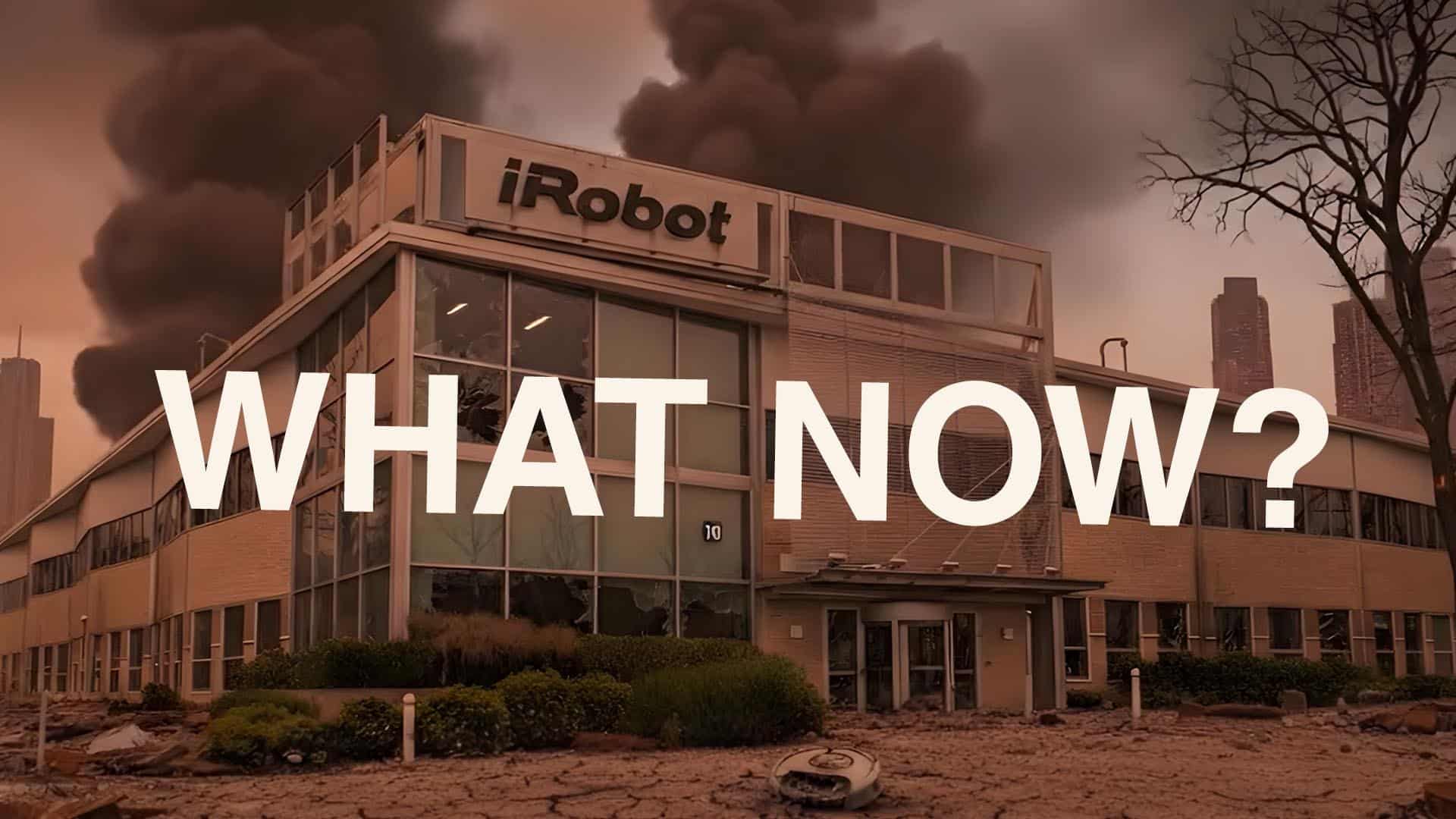
iRobot, the company that first brought robot vacuums into the mainstream home market, has officially filed for Chapter 11 bankruptcy and has been acquired by its primary secured lender, the China-based robotics manufacturer Picea. This article breaks down what this news means, what it does not mean, and what current and future iRobot customers can expect.
iRobot’s History and the Rise of Roomba
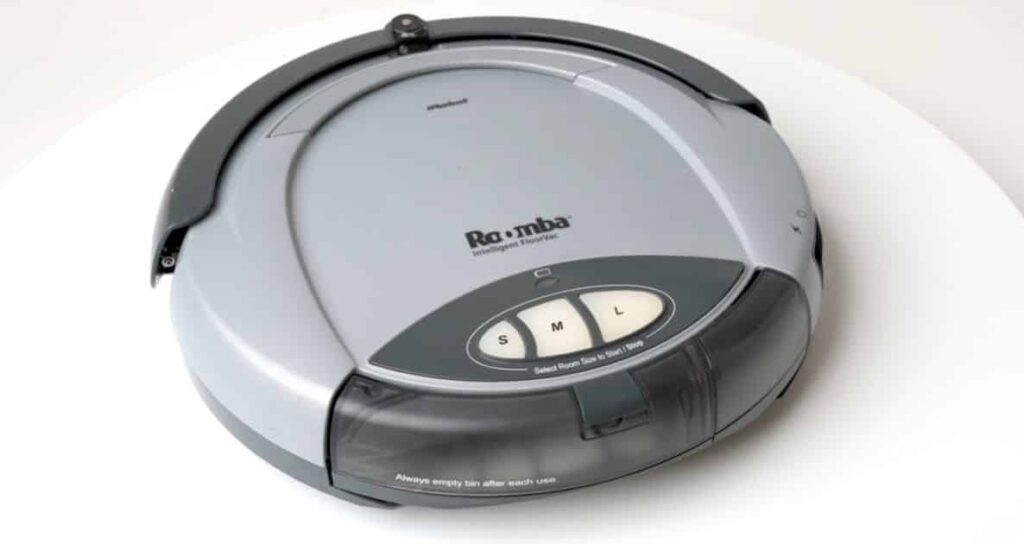
iRobot was founded in 1990 by three MIT roboticists: Rodney Brooks, Colin Angle, and Helen Greiner. In its early years, the company focused on research and military robotics before expanding into home robotics with the launch of the Roomba robot vacuum in 2002, pioneering an entirely new consumer category.
Roomba quickly became a household name. For many years, the word “Roomba” itself was widely used as a synonym for robot vacuum, reflecting the company’s early dominance in the market.
Financial Struggles and the Canceled Amazon Acquisition
Nearly 20 years later, after running into financial difficulties, iRobot entered into an acquisition agreement with Amazon in 2022. The retail giant agreed to acquire iRobot; however, the deal was ultimately canceled due to regulatory concerns (see our coverage).
At the same time, although iRobot pioneered the robot vacuum category, competitors began to surpass the company in innovation. One notable example was iRobot’s late adoption of LiDAR navigation, a technology that significantly improved robot vacuum efficiency and navigation accuracy.
Best Robot Vacuums – Vacuum Wars’ always up-to-date rankings of the best robot vacuums. Whether you call it a robot vacuum, a robotic hoover, or an automatic vacuum cleaner, our top picks will help you find the perfect cleaning companion for your home!
iRobot’s Lending Agreement With Picea
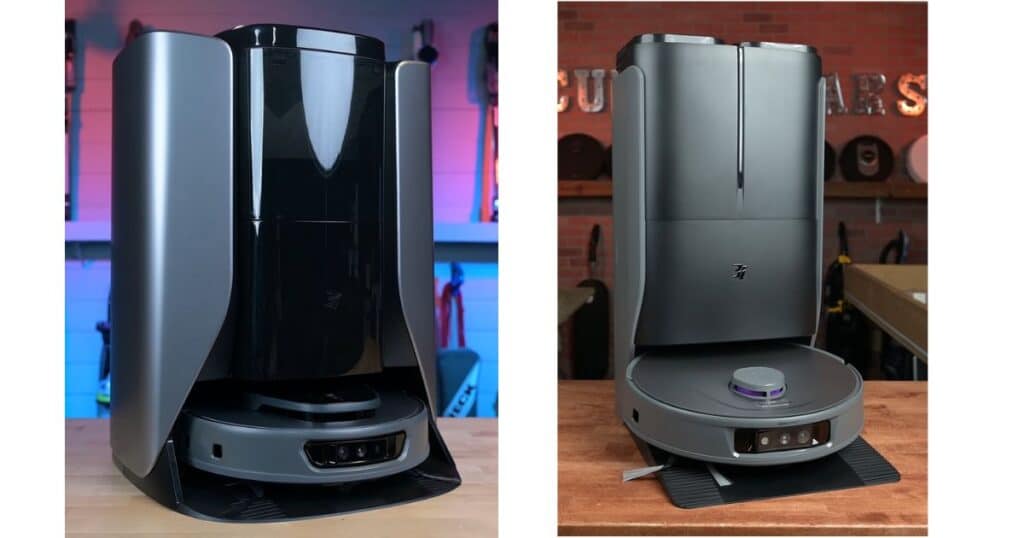
In an effort to address its financial challenges, iRobot entered into a lending agreement with Picea, a China-based robotics company that was already manufacturing robots for iRobot. Picea also builds robots for other brands and operates Picea Robotics, the company behind the 3i robot vacuum lineup, several of which have previously been reviewed by Vacuum Wars.
Chapter 11 Bankruptcy Filing and Acquisition Details
On December 14, 2025, iRobot officially announced that it was filing for a prepackaged Chapter 11 bankruptcy. This form of bankruptcy involves a restructuring plan that has already been negotiated in advance and is expected to conclude by February 2026.
Under the terms of the deal, Picea will acquire 100% ownership of iRobot, canceling the debt owed to it while ensuring that other creditors are paid in full through the restructuring process.
What This Means for iRobot Customers
For current and future iRobot customers, it’s important to understand that this is not a shutdown of iRobot. The bankruptcy filing and acquisition do not mean the company is going out of business. Instead, iRobot expects to continue normal operations without the burden of rising debt.
The company has stated that its apps will continue to function, warranties and customer service will remain in place, and supply chains and product development efforts are ongoing, with future product releases expected in 2026.
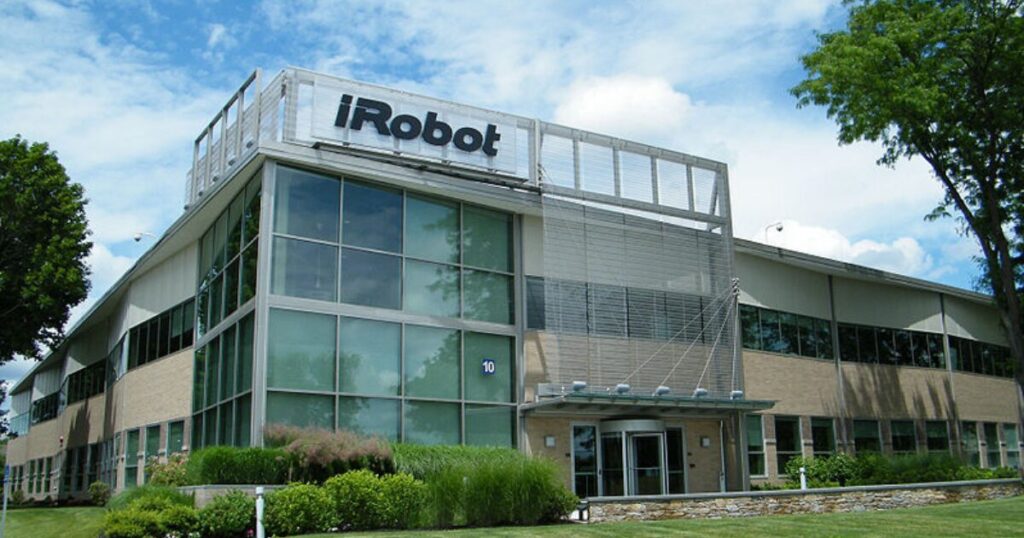
Vacuum Wars has received assurances from iRobot’s communications team that, from a customer perspective, operations should continue as “business as usual.” iRobot will retain its employees, continue occupying its headquarters in Bedford, Massachusetts, and next year’s Roomba models are already in production.
Read more: iRobot was named among the top robot vacuum brands for customer service in a recent Vacuum Wars analysis.
Looking Ahead: The Future of iRobot and Roomba
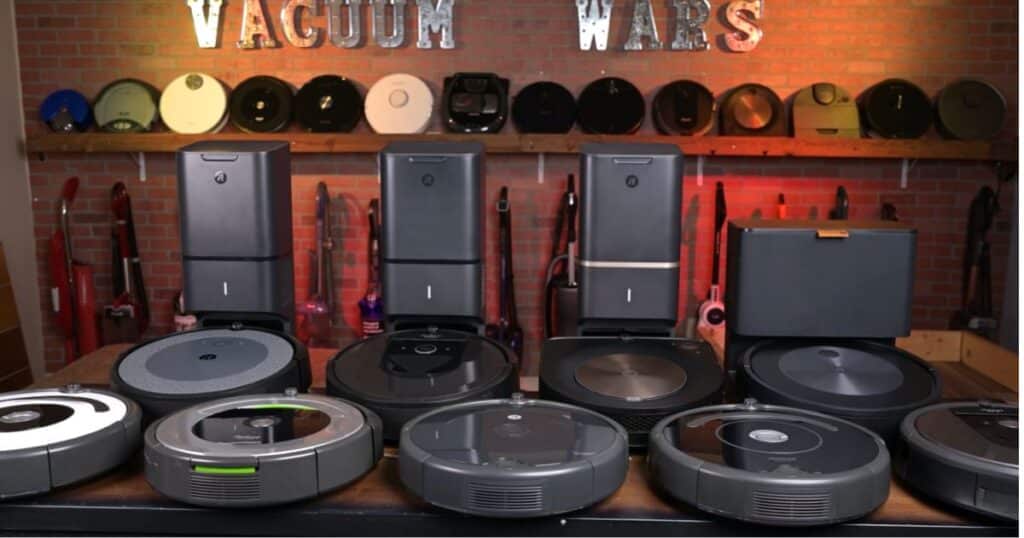
There are still many open questions about iRobot’s future product priorities and long-term direction. It will be closely watched whether Picea can help rebuild the iRobot brand and return it to a leadership position in the increasingly competitive robot vacuum market.
It’s also worth noting that iRobot was one of the few remaining robot vacuum brands headquartered and owned in the United States. With this ownership transition, the number of U.S.-based companies in the space has become even smaller, leaving brands like Shark and Bissell, along with startups such as Matic, among the remaining American-based names.
Final Takeaway
In short, iRobot is not gone—it has been significantly restructured. How this transition ultimately impacts future Roomba products remains to be seen, but Vacuum Wars will continue to monitor developments closely and report on what iRobot releases in the year ahead.
Looking for More iRobot Coverage?
Vacuum Wars has published extensive coverage of iRobot over the years, including product reviews, comparisons, and company news. Readers can find all of our iRobot-related articles and hands-on reviews in one place here: View all iRobot news and reviews on Vacuum Wars
Frequently Asked Questions
Is iRobot going out of business?
No. iRobot has stated that it plans to continue normal operations following its Chapter 11 restructuring. The bankruptcy filing is intended to restructure ownership and reduce debt, not shut down the company.
Who acquired iRobot?
iRobot is being acquired by Picea, a China-based robotics manufacturer that was previously iRobot’s primary secured lender and a manufacturing partner.
Will Roomba robot vacuums continue to be supported?
According to iRobot, existing Roomba products will continue to be supported. The company has said its apps, warranties, and customer service operations are expected to remain active.
What is Chapter 11 bankruptcy, and why did iRobot file?
Chapter 11 bankruptcy allows a company to restructure its debts while continuing to operate. iRobot filed a prepackaged Chapter 11 to finalize a negotiated restructuring agreement and address its financial challenges.
What does this mean for future Roomba products?
iRobot has indicated that product development is ongoing, with future Roomba releases expected in 2026. However, specific details about upcoming models or long-term strategy have not yet been announced.
iRobot Roomba Robot Vacuum Buyers Guide 2026
iRobot has rolled out a revamped Roomba lineup for 2025, introducing key changes to its long-running series. From the entry-level 105 series to the top-of-the-line 705 series, these new models showcase a range of noteworthy updates that could signal a pivotal shift for the company. This guide delves into their major enhancements and offers insights into how they’ll perform in everyday life. See the Guide