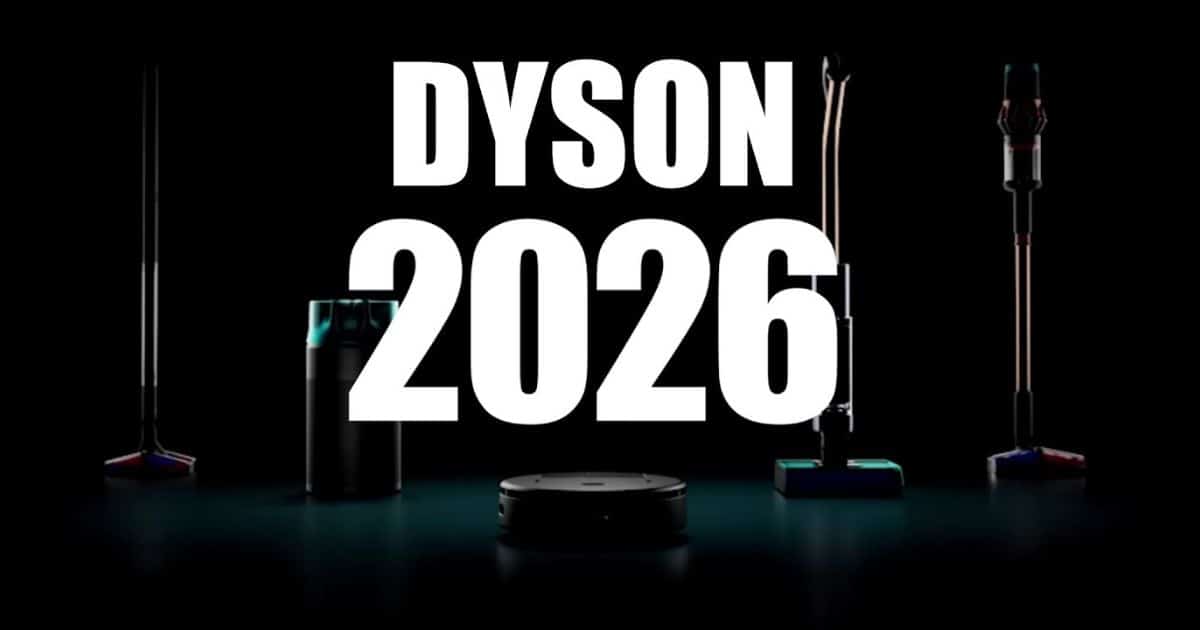
Today, we’re looking at the new Dyson product announcements, mainly what to expect from the manufacturer in 2026. They recently held a Dyson Unveiled event coinciding with IFA 2025 and announced 11 new Dyson products across vacuums, robot vacuums, wet floor cleaners, air purifiers, and more. It’s their largest single release to date, and in this list, we’ll focus on floor care related products. We’ll also review the most relevant specs and features (especially for US residents) and disclose when these products are expected to arrive.
Dyson Spot+Scrub Ai
A major Dyson vacuum news is its new robot vacuum, which could be a big deal if it performs as advertised. It’s called the Dyson Spot+Scrub Ai, and it’s Dyson’s first attempt at a robot vacuum mop combo with a multifunctional dock. It’s the successor to their 360 Viznav, but in many ways it looks like a complete reboot of Dyson’s robot strategy.
Dyson Spot+Scrub Ai
Vacuum Wars Stars 3.49
The Dyson Spot+Scrub Ai is a premium robot vacuum-mop combo that introduces several firsts for Dyson, including a bagless auto-empty dock, AI obstacle avoidance, and a roller mop system, and overall it performs well with some tradeoffs. Its standout feature is the cyclonic bagless dock, which effectively separated heavy pet hair after nearly two weeks without cleaning and stayed completely dry, while the AI system avoided 20 of 24 objects versus a 15 average, making it top-tier for a first attempt. The roller mop scored 101 on coffee stain removal (above the 94 average) with a combined mopping score of 20.1, though it left 1.3g of water (slightly above average). Battery efficiency improved significantly to 1.38 minutes per percent, covering about 846 sq ft per charge, still below the 1,170 average. Vacuuming was solid but slightly weaker than its predecessor, with 76% carpet deep clean pickup (vs. 78 average) and 81% pet hair pickup (vs. 82 average), though crevice performance was excellent at 3.5 vs. 2.0. Downsides include slow navigation (0.57 vs. 0.71 average), poor anti-tangle (31% hair wrap), limited 20mm obstacle climbing, a basic app, and a large 4.3-inch height that can hinder maneuverability. See additional info
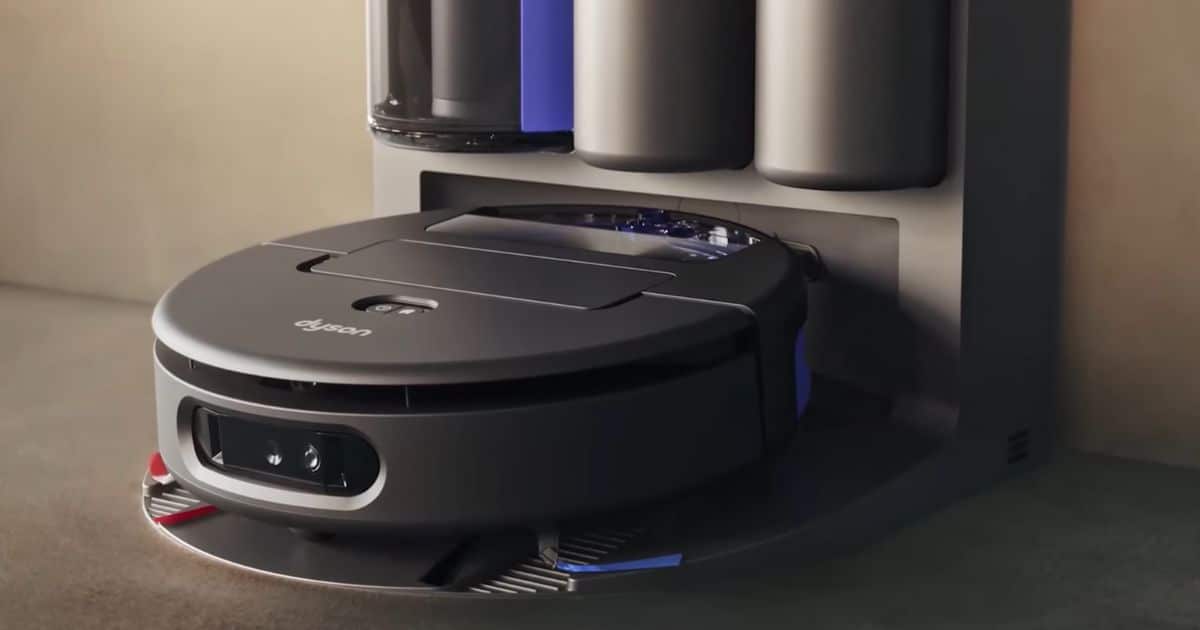
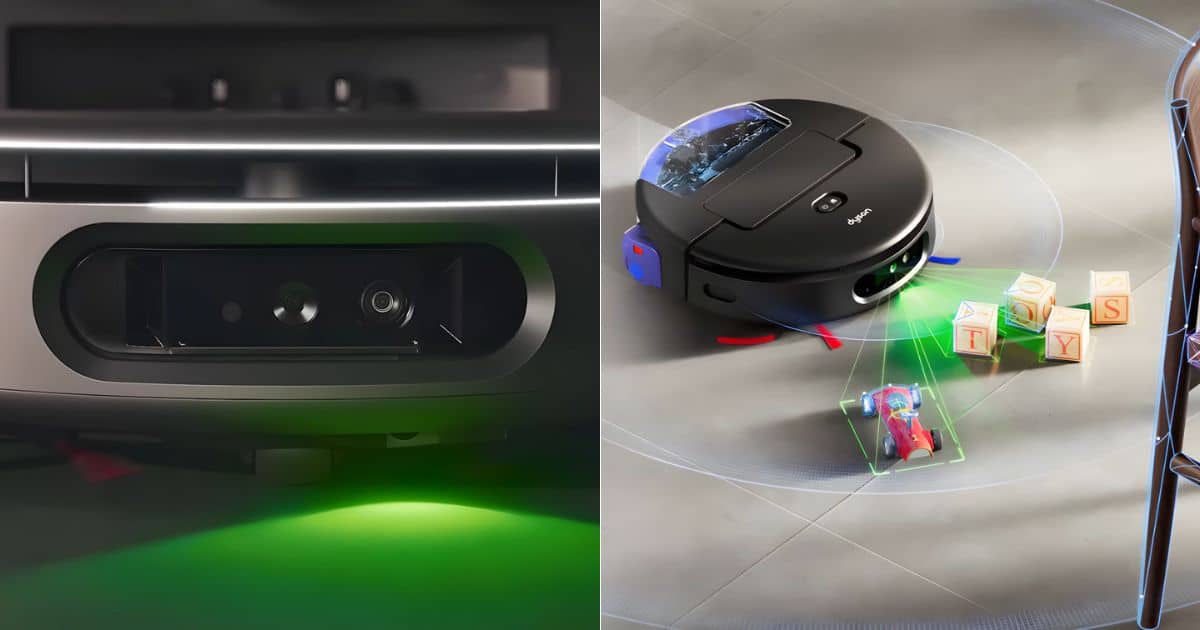
It has a unique feature that Dyson calls Spot+Scrub Ai (same as its name), where it uses an onboard camera with a green laser to scan the floor for stains and spills. When it sees something that looks like a stain, it scrubs it and visually checks whether the stain is still there. If it is, it scrubs it again, and the process can repeat up to 15 times.
It’s also the first Dyson robot vacuum product to have obstacle avoidance. Dyson claims it can recognize around 200 common objects, such as cables, socks, and toys, and avoid them.
The Spot+Scrub Ai uses a microfiber roller mop that continuously feeds clean water into the roller. It rinses the roller while cleaning and discharges the rinse water into a dirty-water tank. The roller can also extend 1.6 inches beyond the robot’s side for improved edge coverage. Plus, whenever the robot vacuum detects carpets, it lifts its roller to avoid getting them wet. All of that means it meets industry standards for flagship robot vacuums.
Additionally, the new cyclonic dock is Dyson’s first full-featured multifunctional dock. It uses cyclonic separation to empty the robot’s dust bin into a two-litre bagless bin. It also manages its clean and dirty water tanks and washes and dries the roller after each run.
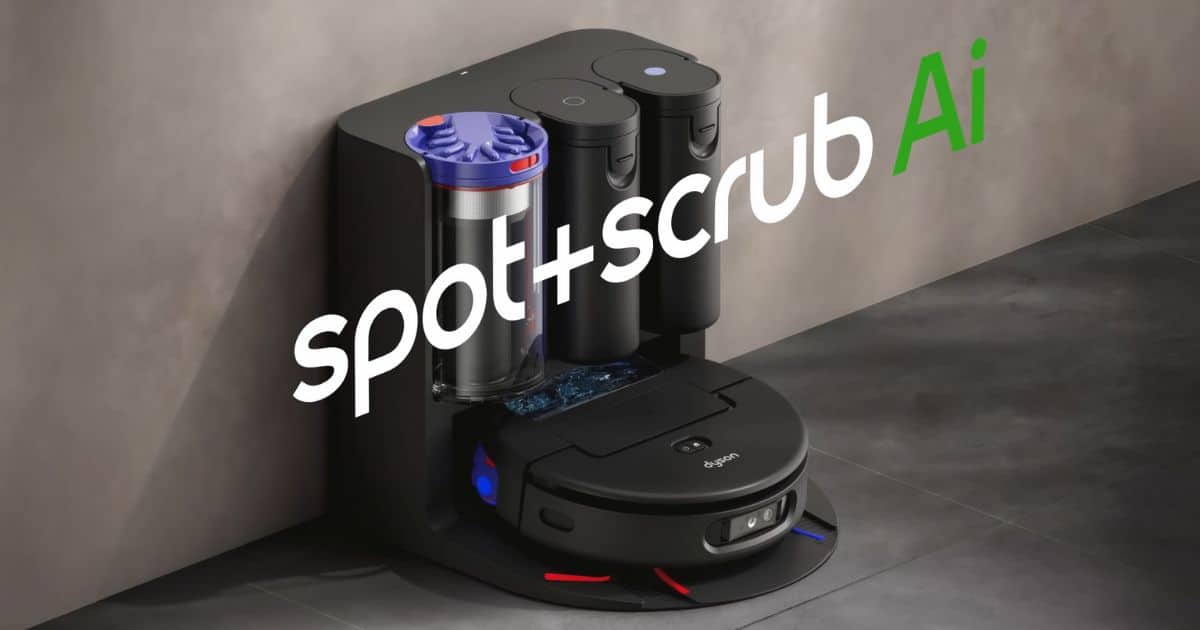
Navigation-wise, this new Dyson product reveals they’ve finally moved to a more standard LiDAR-based system, which is integrated into the robot’s top so it can still get under some furniture. The US release is scheduled for sometime in 2026, according to Dyson, with pricing still unknown. But it will likely be in a premium tier, given that the older Viznav was around $1,200 without a mop and a dock.
Best Robot Vacuums – Vacuum Wars’ always up-to-date rankings of the best robot vacuums. Whether you call it a robot vacuum, a robotic hoover, or an automatic vacuum cleaner, our top picks will help you find the perfect cleaning companion for your home!
Dyson PencilVac
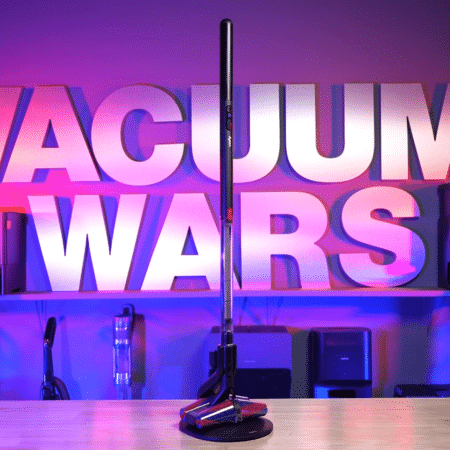
Another new Dyson product that likely received much online attention is the Dyson PencilVac. It’s essentially a full cordless vacuum, but very slim. The main body is just 38 millimeters in diameter, making it the slimmest Dyson vacuum ever created and the slimmest vacuum in the world, according to Dyson.
Dyson PencilVac Fluffycones
Vacuum Wars Stars 1.66
The Dyson PencilVac Fluffycones is best suited to small hard-floor areas and everyday cleanup. In our studio evaluations, its lightweight design and multidirectional cleaner head made it easy to maneuver, and hard-floor debris pickup was excellent. Forward- and rear-facing floor illumination helps reveal fine dust. Its small dustbin, shorter runtime, and poor carpet performance limit its versatility, making it a specialized choice for homes with little or no carpet. See additional info
It uses a custom high-speed motor that spins at approximately 140,000 RPM, producing about 55 airwatts of suction. That’s significantly lower than Dyson’s other stick vacuums. But this new Dyson product isn’t meant to replace a full stick vacuum for things like deep carpet cleaning. It’s primarily intended for hard floors, quick cleanups, stairs, small homes, and areas where a full-stick vacuum is inconvenient.
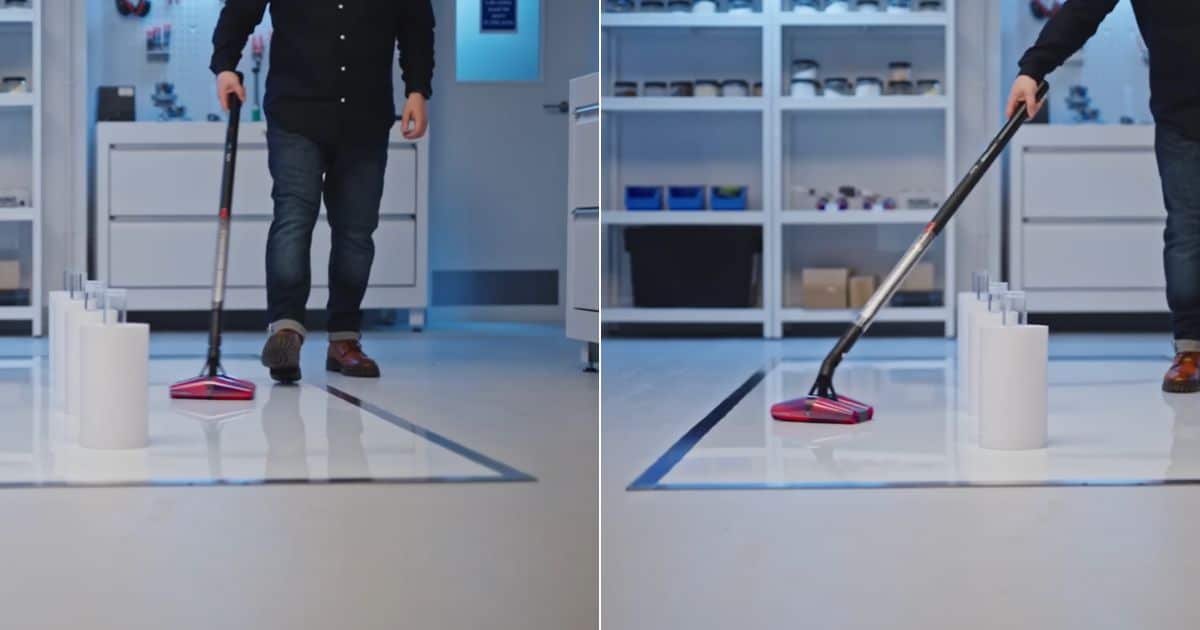
Another interesting aspect is the new fluffy cone’s cleaner head. Its 360-degree connector allows it to move in all directions, making it easy to maneuver, and it weighs just 4 pounds. It can lie nearly flat and slide under low furniture, almost like a powered Swiffer.
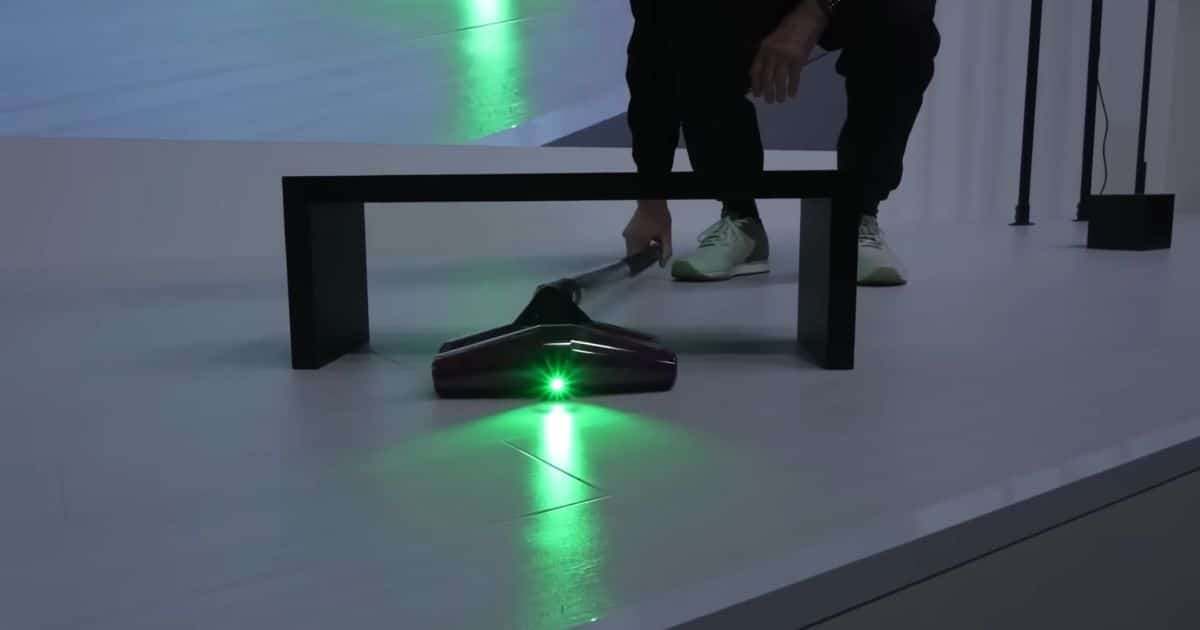
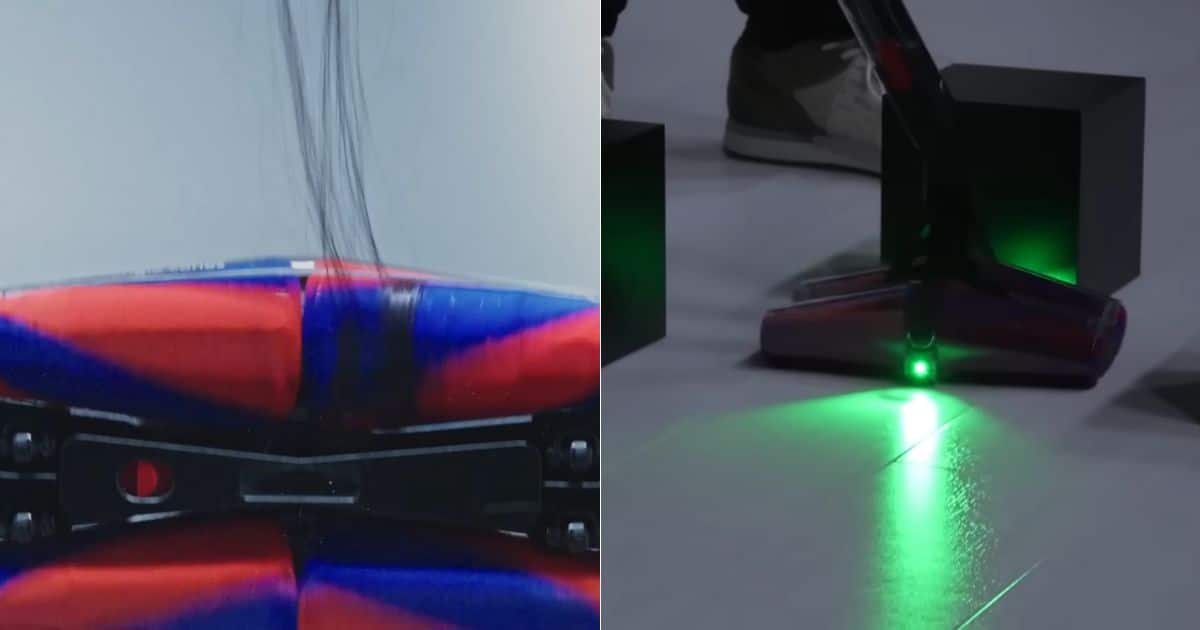
It uses four conical soft brush bars that taper outward. As the cones spin, they eject hair and fibers into the bin instead of wrapping around the roller. It’s also the first of Dyson vacuums to have two of their LED dust-revealing lights, a feature they’ve recently started to implement on cordless vacuums, and we like it.
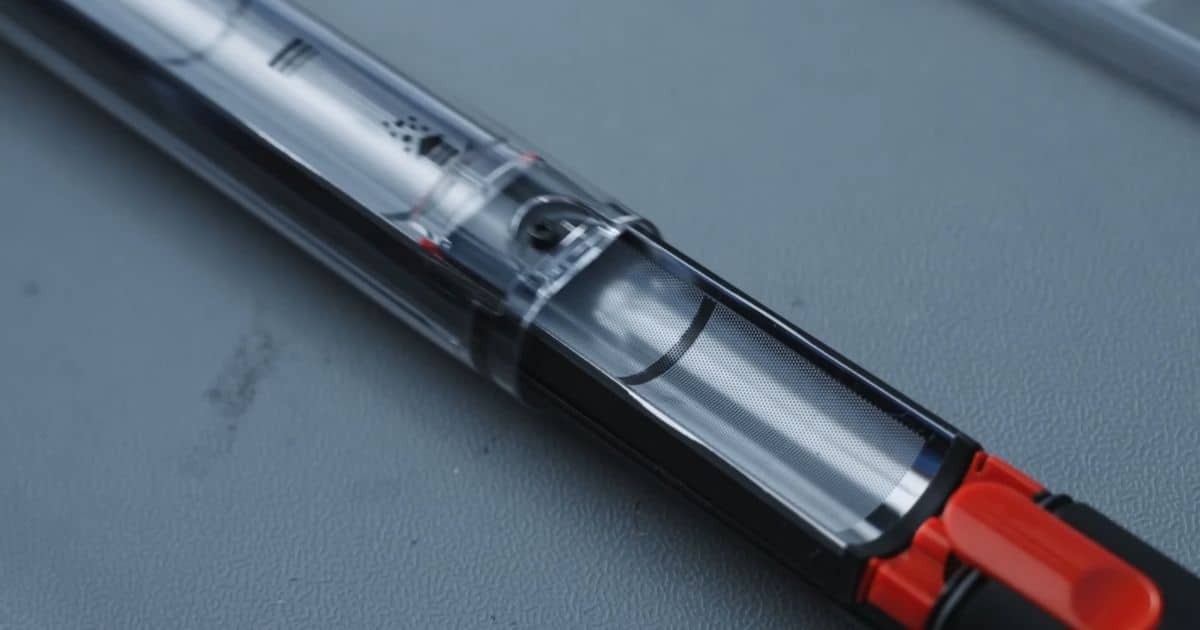
Its dustbin capacity is just 0.8 liters. But Dyson added a compaction mechanism that compresses debris up to five times denser, allowing for more storage than you would expect for something this size.
As for availability, the PencilVac launched first in Asia in 2025, then in Australia, New Zealand, and China. Dyson says the US and UK launches are scheduled for 2026, with no exact dates announced yet. Based on international pricing, we expect something in the $600 to $700 range in the US.
Best Cordless Vacuums – Vacuum Wars’ always up-to-date rankings of the best cordless vacuums.
Dyson V16 Piston Animal and V16 Submarine
Dyson V16 Piston Animal
Vacuum Wars Stars 3.56
The Dyson V16 Piston Animal is Dyson’s flagship cordless vacuum, pairing strong tested cleaning performance with the dual-cone All Floor Cones head, a dedicated Laser Slim Fluffy head, and a motorized anti-tangle upholstery tool. In Vacuum Wars testing, it earned perfect carpet deep-clean and crevice pickup scores, above-average suction and airflow, up to 70 minutes of runtime, and flawless sealed HEPA filtration. Its large redesigned dustbin compacts debris, while automatic suction adjustment, green laser illumination, a live particle-count display, and a removable battery round out the feature set. Tradeoffs include needing to swap cleaner heads for optimal results and slightly below-average performance in the 14-inch hair-tangle test. See additional info
Dyson V16 Piston Animal Submarine
Vacuum Wars Stars 4.27
The Dyson V16 Piston Animal Submarine pairs Dyson’s flagship cordless vacuum with the Submarine 2.0 wet‑cleaning head, adding dedicated hard floor mopping without giving up any of the vacuum’s cleaning performance. In our testing it matched the standard V16 on vacuuming while delivering above‑average results in dried‑on stain removal, outperforming both the Dyson WashG1 and Dyson’s newer hygiene‑focused floor cleaner. The Submarine head recognizes itself when attached, offers two water flow settings, and keeps the entire wet‑cleaning system inside the head, so dirty water never travels up the wand. Floors were left looking clean in real‑world use, which makes it a strong option for homes that would otherwise need a separate mop. See additional info
The next new Dyson product is the Dyson V16 Piston Animal, which is the latest cordless vacuum flagship. Dyson says it will be its most powerful cordless vacuum to date.
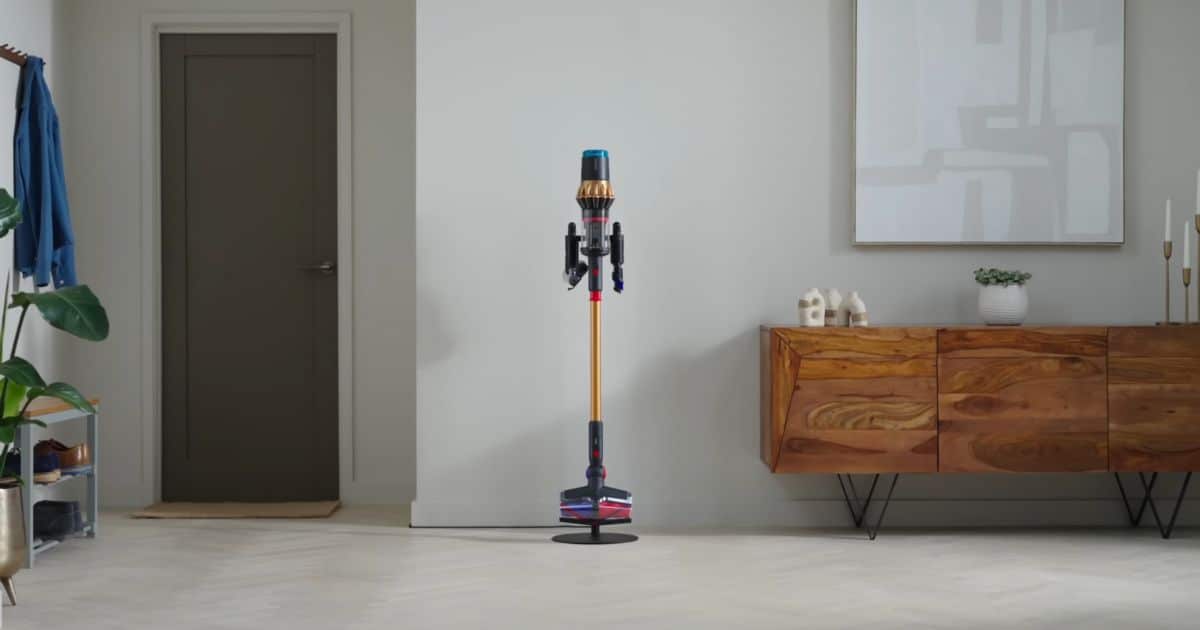
It uses a new 900-watt motor with a suction rating of 315 air watts in boost mode—a significant increase over previous generations. The V16 cleaner head has also been completely reimagined from previous generations. They’re calling it the All Floors Cones™ Sense cleaner head. Instead of one roller, it uses two conical anti-tangle brush bars, similar in concept to the PencilVac but sized for a full flagship vacuum.
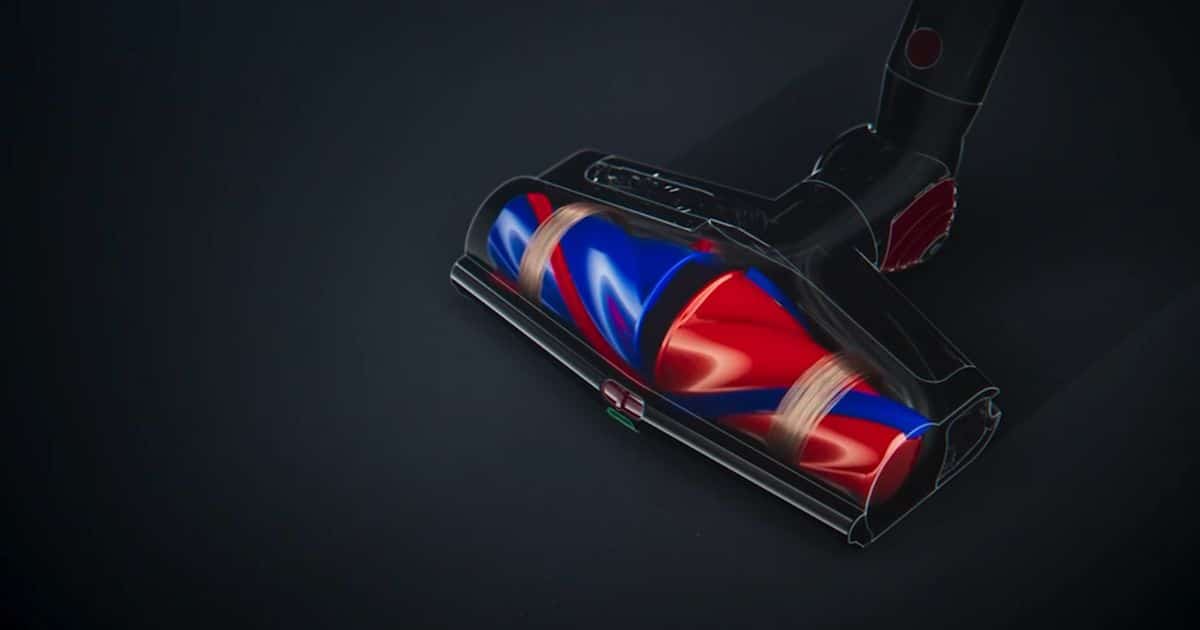
Like the smaller cones, they actively push hair toward the bend to prevent wrapping. The new head also has sensors that adjust suction based on floor type, something Dyson already did, but now it will adjust the roller speed depending on floor type as well.
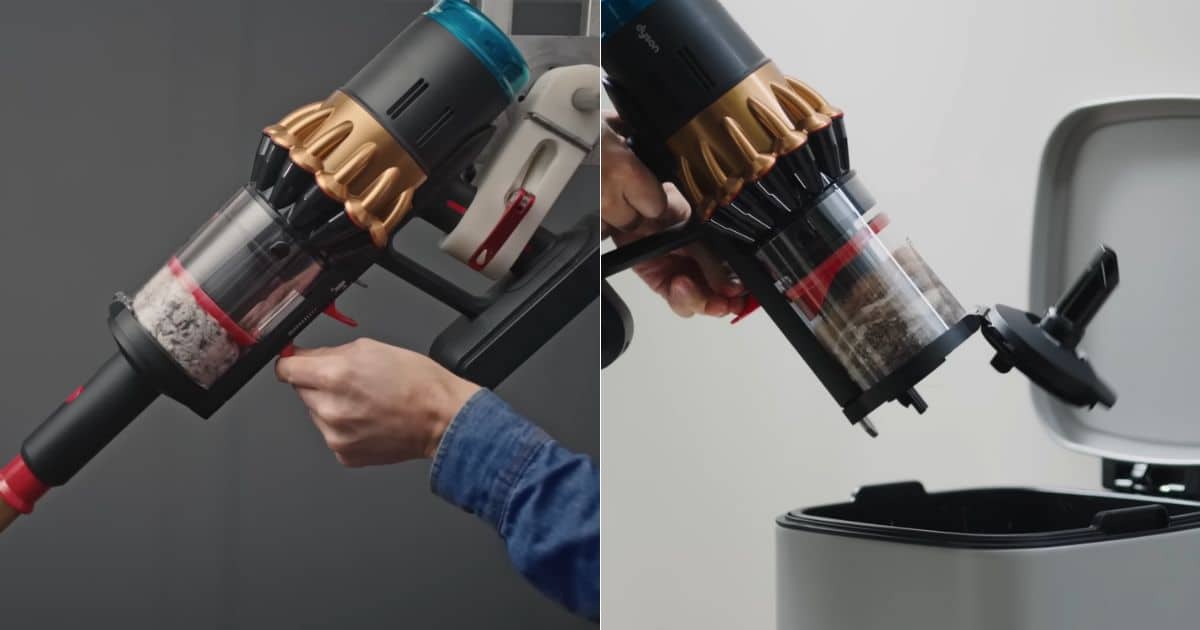
Interestingly, this new Dyson product uses a new bin system called Clean Compactor. This lets you compress dirt in the bin, allowing for roughly 30 days of debris under normal use. When you empty it, a wiping mechanism scrapes the bin to prevent dust from sticking.
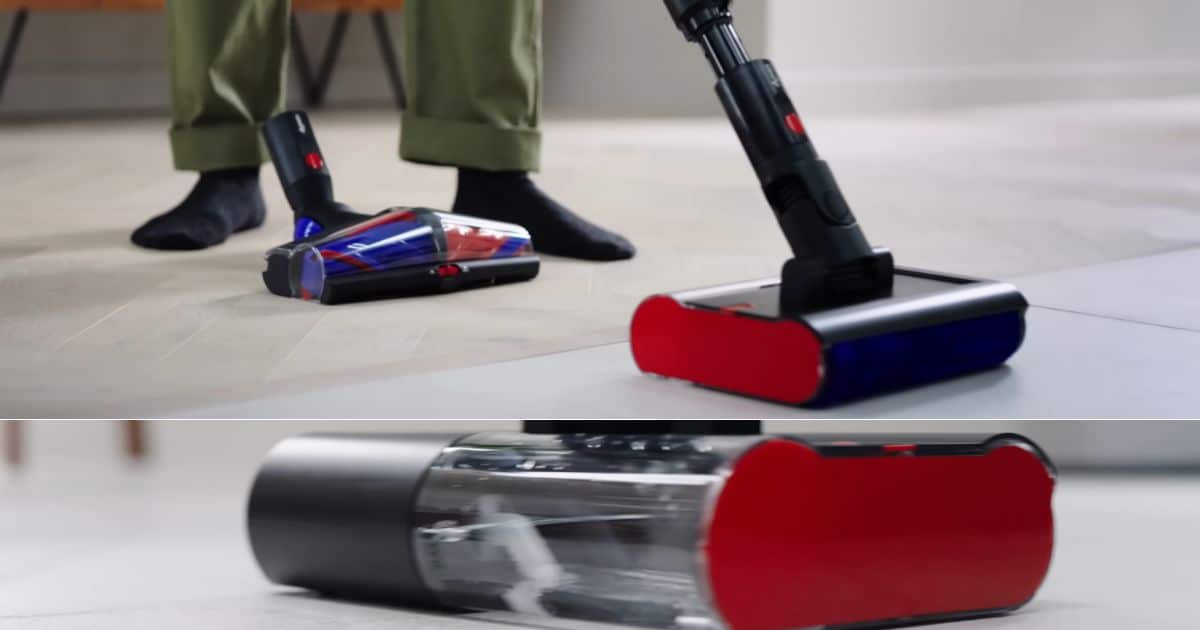
You can also get a submarine version of the V16 Piston Animal, which includes the Submarine 2.0 wet cleaner head. It also includes a 300 milliliter clean water tank to wash hard floors while picking up light debris. Dyson claims it can cover 110 square meters (about 1,100 square feet) on a single tank.
Dyson Self-Empty Dock
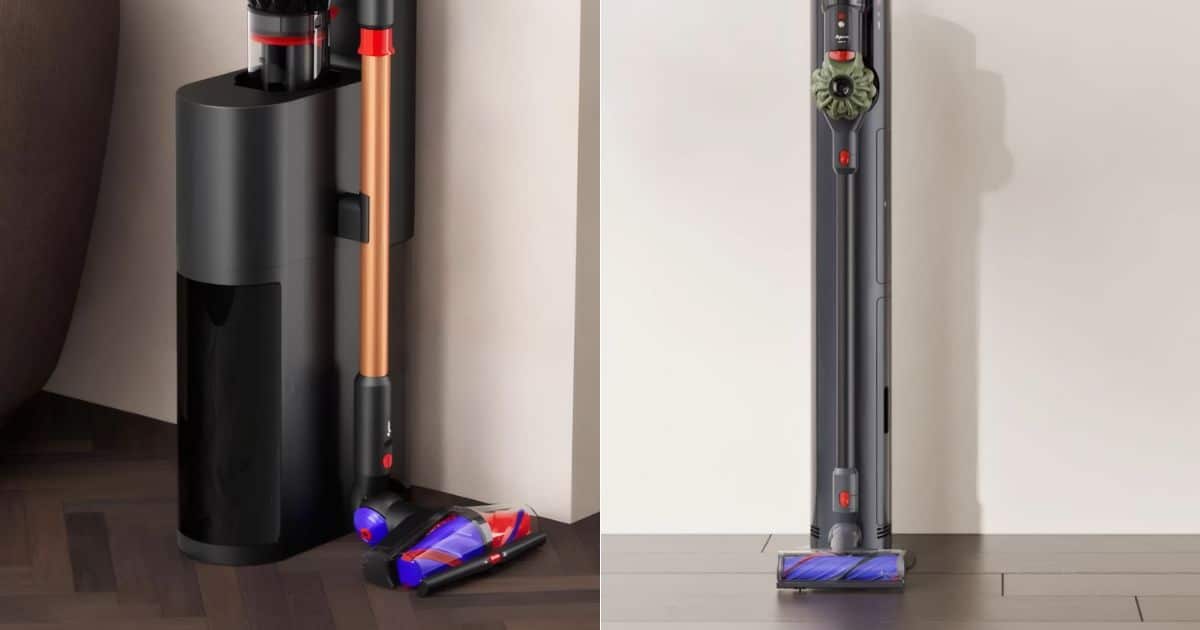
Another major Dyson vacuum news is that the manufacturer plans to release a self-empty docking station for the V16 and the refreshed V8 in 2026. So eventually, you’ll be able to dock the V16 and have it automatically empty its bin into the station.
The V16 Piston Animal launched first in Korea (mid-2025), then in the UK and parts of Europe later in the year. Dyson states the V16 Piston Animal and V16 Submarine will officially launch in the United States in early 2026. We expect US pricing to be in the $900+ range.
Dyson V8 Cyclone
Dyson V8 Cyclone
Vacuum Wars Stars 3.53
The Dyson V8 Cyclone combines strong carpet cleaning with useful upgrades to the familiar V8 design. We like its trigger-free operation, three power modes, and detachable battery, while its sealed filtration passed our studio fog test. It also performed particularly well in carpet deep cleaning and crevice pickup. Its strengths make it a compelling option for carpet-focused homes, though the Motorbar head can push some larger debris ahead on hard floors.
Dyson also refreshed the classic V8 line with the new Dyson V8 Cyclone. It retains the same compact form factor but increases suction by about 30%, to roughly 150 airwatts. It also adds a triggerless power button and extends run time up to 60 minutes. And as mentioned earlier, it supports the upcoming self-empty dock.
This new Dyson product is positioned as a mid-range model, likely coming to the US in 2026.
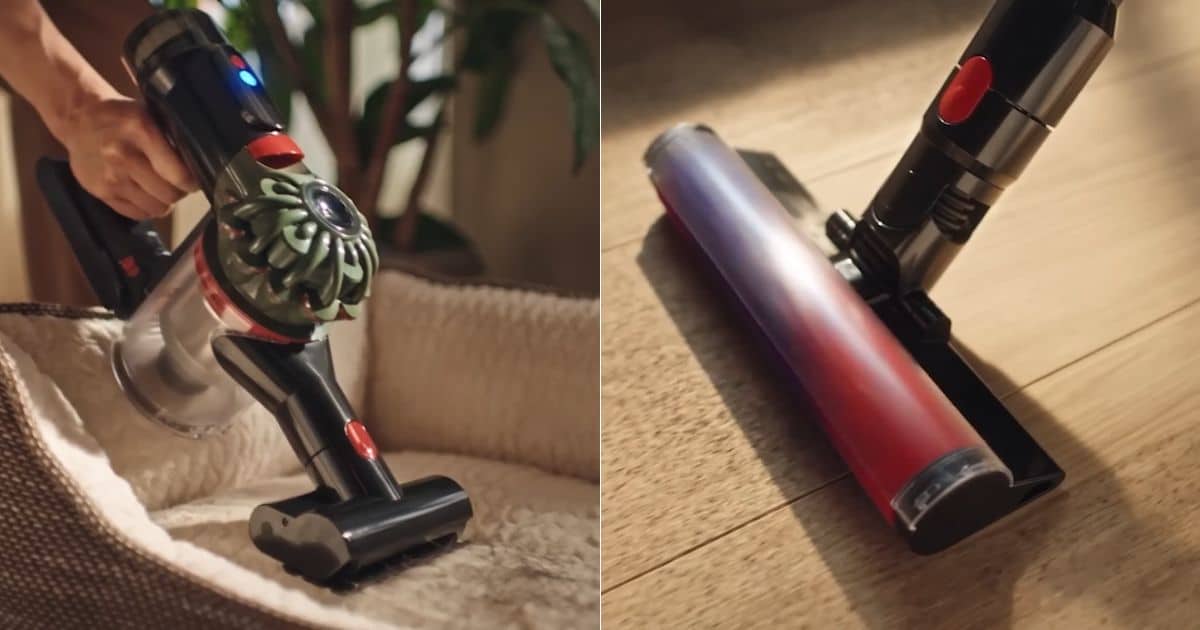
Best Dyson Cordless Vacuums – Whether you’re eyeing Dyson’s latest flagship or a mid-range model for better value, this list highlights the standouts across the lineup.
Dyson Clean+Wash Hygiene
Dyson Clean+Wash Hygiene
Vacuum Wars Stars 0.84
The Dyson Clean+Wash Hygiene is a cordless hard floor vacuum mop that represents a major improvement over Dyson’s earlier Wash G1, featuring a unique system that mechanically separates solid debris from dirty water for a more sanitary cleaning process. Its lightweight 8.5-pound design, excellent maneuverability, 180-degree lay-flat reach, dual-edge cleaning, anti-hair wrap roller, and impressive 70-minute runtime make it comfortable and convenient to use. Additional highlights include Wi-Fi connectivity, an LCD display, self-cleaning with hot-air roller drying to reduce odors and bacteria, and 16.9 ounces of included cleaning solution. In Vacuum Wars studio testing, it scored 107 points in stain removal versus a 139-point average, left 1.63 grams of residual water compared with the roughly 1-gram average, and achieved an overall mopping score of about 89 points versus the 115-point average. Usable suction measured just 0.02 kPa, though the design relies primarily on its mechanical debris system rather than suction. Downsides include the small 0.53-liter clean water tank that requires frequent refills, below-average mopping performance, the lack of self-propel, dirt detection, automatic power adjustment, and steam, leaving stronger overall competitors available at a similar price. See additional info
They also announced a new vacuum mop combo called the Dyson Clean+Wash Hygiene, a cordless wet-dry floor cleaner.
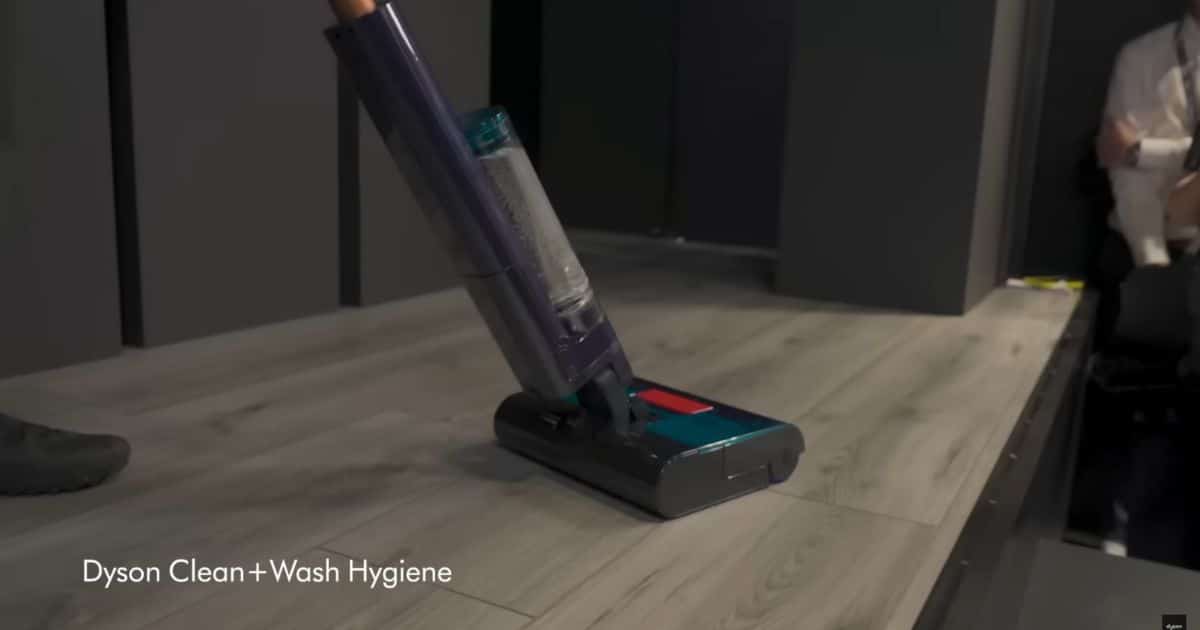
The main focus here is hygiene and odor control. Many floor washers recirculate dirty water through internal filters, which can easily become messy over time. Dyson’s design avoids this by continuously feeding clean water to an ultra-absorbent microfiber roller. As debris and wet masses are collected, the dirty water is routed directly into a waste compartment in the floor head rather than through the machine.
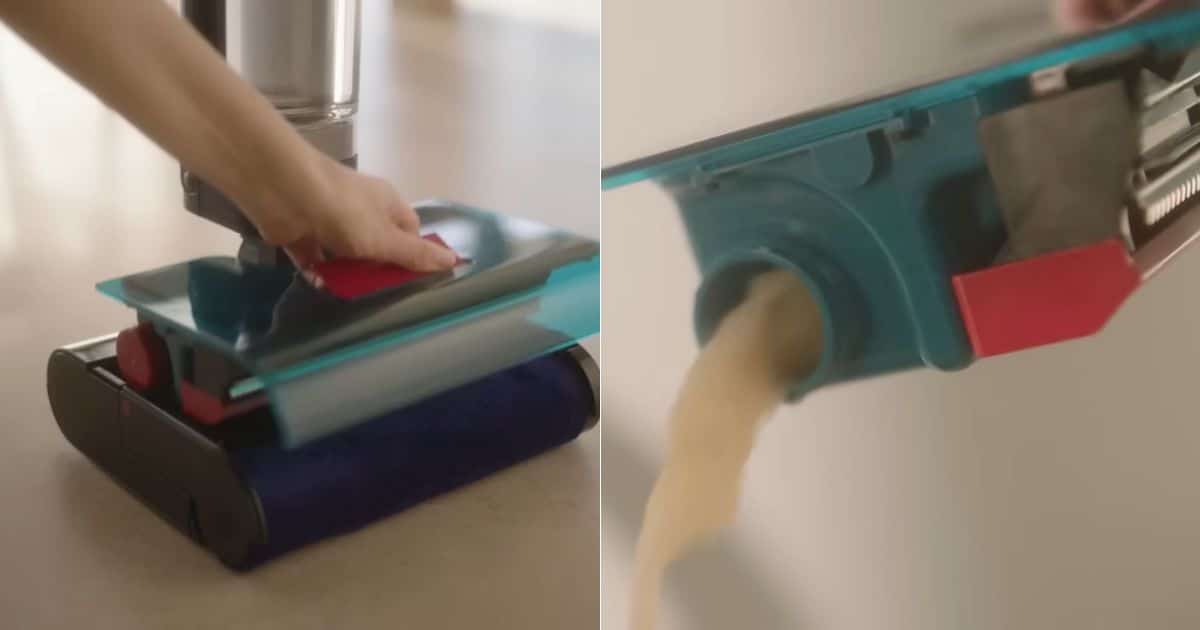
When you dock it after cleaning, the base automatically washes the roller with clean water and then dries it with heated air at around 85 degrees Celsius. And it weighs approximately 8.4 pounds, making it relatively light for a wet-dry vacuum.
It features a low-profile head so it can fit under furniture, and Dyson is positioning this new product as a 2026 release with no confirmed US date or pricing yet. Their first attempt at this was the washG1, which sold for around $600. So this next-generation version will likely be in that general range or slightly higher.
HushJet Purifier Compact
Dyson introduced a new compact air purifier, the Dyson HushJet Purifier Compact.
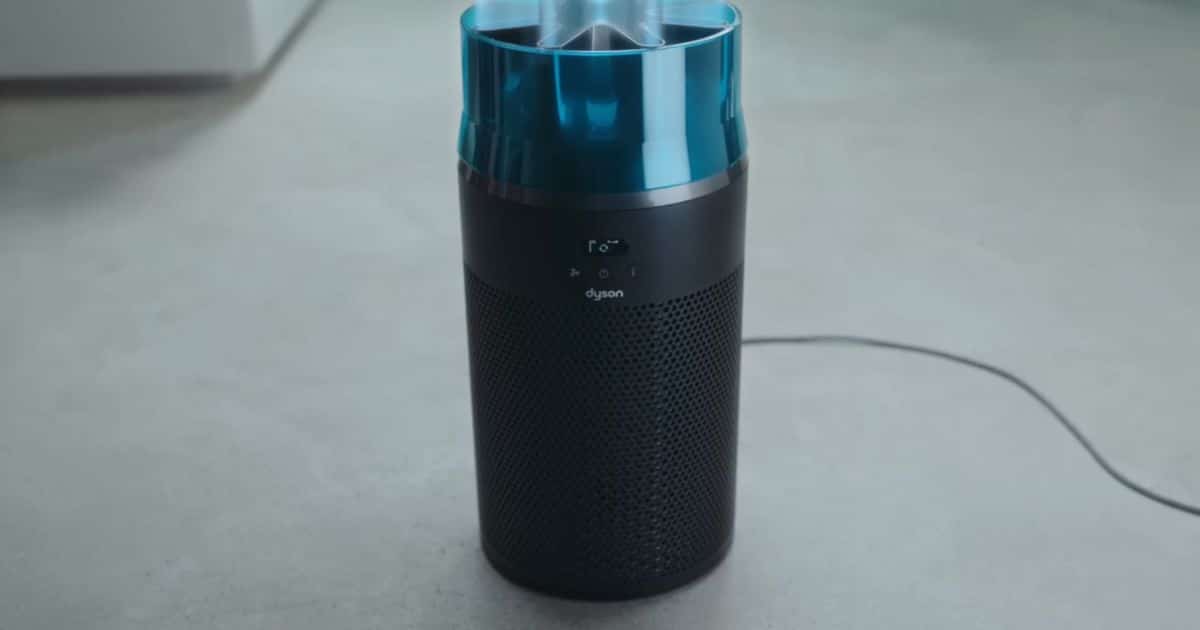
This new Dyson product focuses on low noise. Dyson adapted concepts from aerospace, “HushKit”, creating a star-shaped hushjet nozzle that smooths airflow as it exits the machine. They rate it at just 24 decibels in sleep mode, quiet enough for bedrooms.
Even though it’s about one-third the size of Dyson’s large purifiers, Dyson claims it delivers up to 80% the cleaning capacity of their HEPA Cool, Big, and Quiet models—suitable for rooms up to around 200 square feet.
It uses a fully sealed HEPA and activated carbon system, and one of our favorite features is its sensors for particles and VOCs with real-time air quality readouts. It’s also a Dyson product that US customers can already buy.
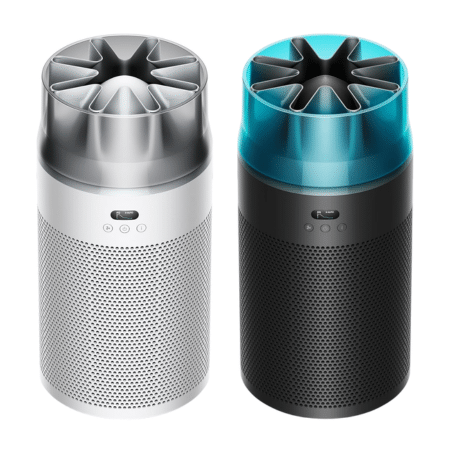
Dyson HushJet Purifier
Price as of October 23, 2026
Final Thoughts on the New Dyson Products
Considering the whole, Dyson is clearly updating nearly every segment of its floor care lineup at once. For US customers, most of these headline products are expected to arrive in 2026. As always, Vacuum Wars will purchase these products and assess their performance and value.